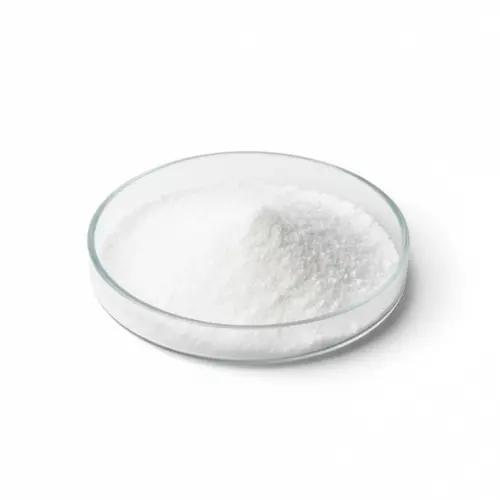
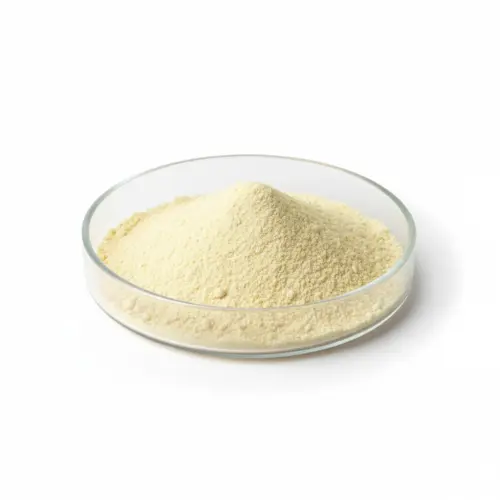
Sweet Whey Powder is produced by spray-drying the liquid whey fraction from cheese manufacture, delivering a naturally occurring blend of whey proteins (beta-lactoglobulin, alpha-lactalbumin), lactose, minerals (calcium, phosphorus, potassium), and B-vitamins. It functions as a cost-effective protein and flavour contributor in food formulations, sports nutrition bases, and confectionery, providing characteristic mild dairy sweetness and creamy flavour.
Applications:
- Sports nutrition and protein blend base formulations
- Confectionery, bakery, and dairy product flavour contributor
- Infant and children’s nutritional formulations
- Animal feed and aquaculture nutritional supplement
Key Features & Benefits:
- Natural source of whey proteins, lactose, and dairy minerals
- Mild sweet creamy dairy flavour — enhances product palatability
- Rich in calcium, phosphorus, and potassium
- Halal-certified from dairy whey processing
- Cost-effective dairy ingredient for food manufacturing
Sweet whey is not whey protein
Sweet whey powder is the dried liquid left over when cheese is made with rennet. It is mostly lactose, with a modest amount of whey protein and a fairly high mineral content. That makes it very different from whey protein concentrate or isolate, which are filtered to concentrate the protein. Use sweet whey as a low-cost dairy solid for flavour, browning and bulk, not as a high-protein ingredient. Acid whey from cottage cheese or strained yoghurt is a different product with a lower pH.
Halal depends on the cheese process
Because sweet whey comes from cheese making, the rennet or coagulant used for the cheese matters for halal status. Ask the supplier which coagulant was used (microbial, plant or animal) and make sure the halal certificate covers the cheese and whey plant, not only the drying step.
Formulation notes
Sweet whey browns readily in baking because of its lactose and protein, which helps colour biscuits and crusts. Its mineral content gives a slightly salty note. It contains milk and lactose, both of which must be declared. For other dairy solids see Skim Milk Powder and Whole Milk Powder.
What to ask for on the certificate of analysis
- Protein, lactose, fat, ash and moisture with methods
- pH or titratable acidity
- Coagulant used in cheese making (for halal review)
- Microbiology: total plate count, coliforms, E. coli, Salmonella, Staphylococcus aureus, yeast and mould
- Batch number, manufacture and expiry dates; country of origin