
Pueraria mirifica is one of Southeast Asia’s most distinctive botanical exports – a Thai tuber whose phytoestrogen content is unusually potent, which is exactly why it’s both sought-after in women’s wellness formulations and an ingredient that demands careful, standardized sourcing.
What Is Pueraria Mirifica?
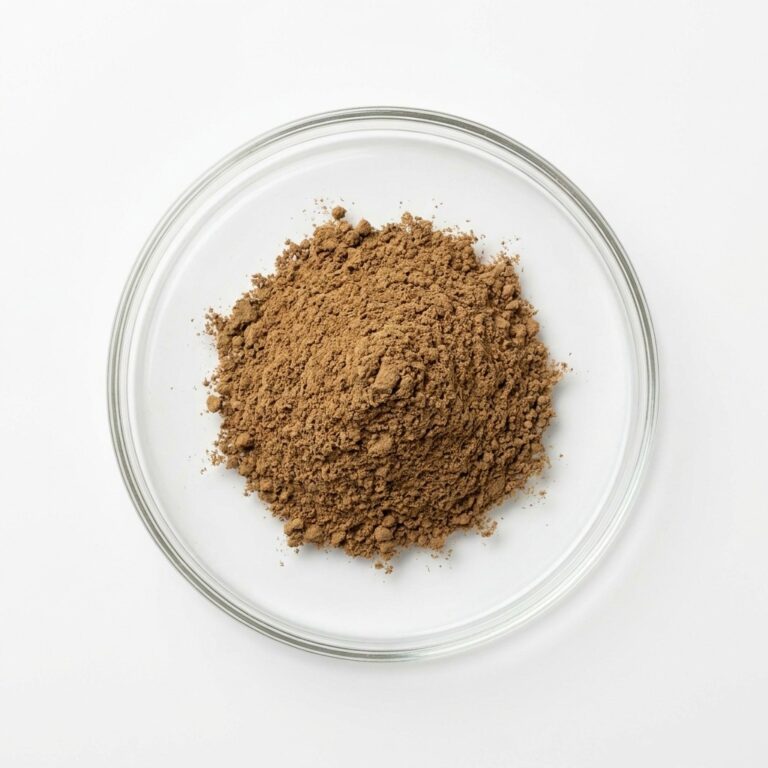
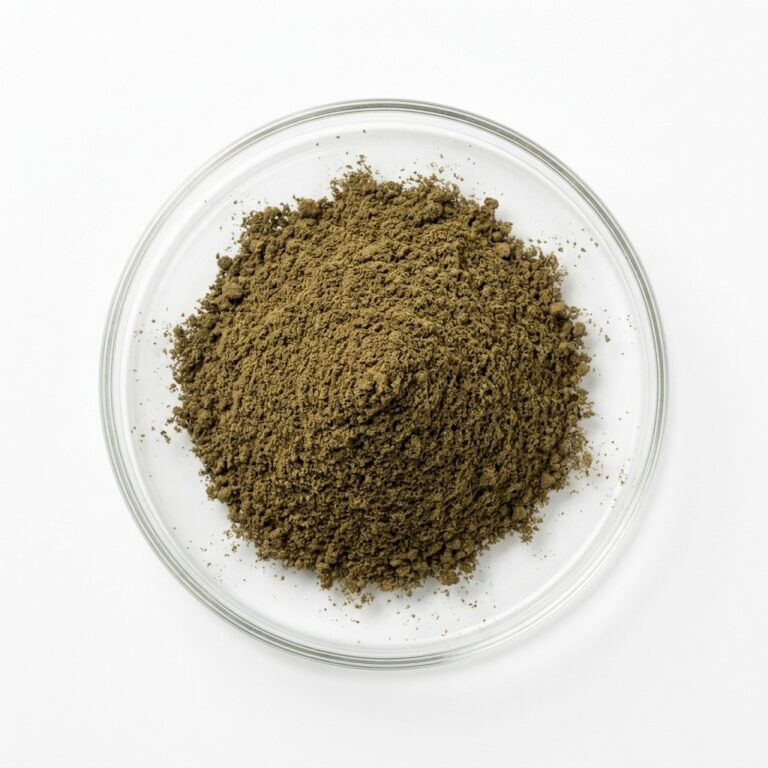
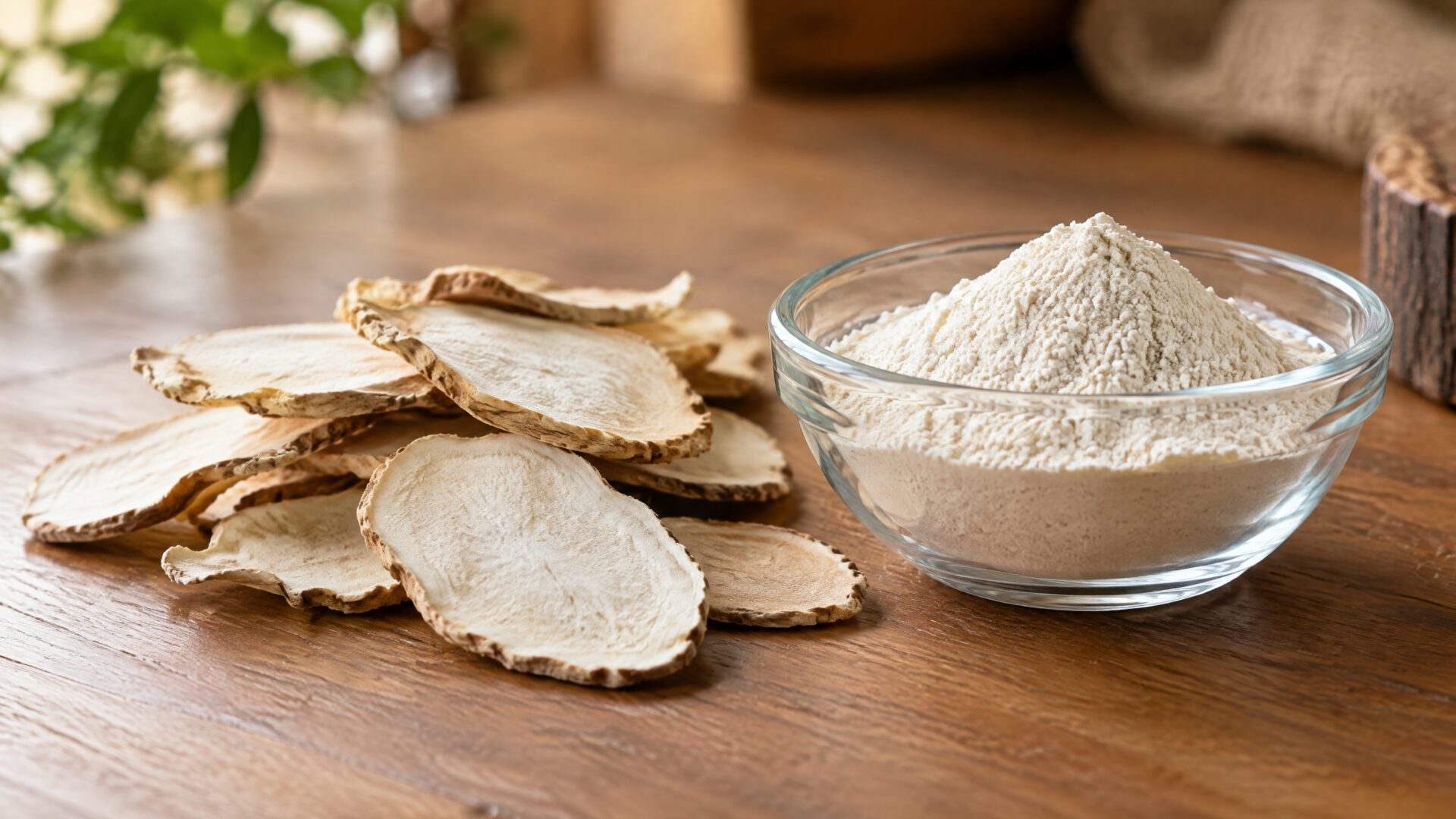
Pueraria mirifica, known in Thailand as “Kwao Krua,” is a plant native to the forests of northern Thailand and Myanmar. The tuberous root has been used in traditional Thai medicine for centuries, valued for its rejuvenating properties. What makes it botanically remarkable is its exceptionally high content of phytoestrogens – plant compounds (including the rare and potent miroestrol and deoxymiroestrol) that mimic the hormone estrogen in the body. As an ingredient it’s supplied most often as a standardized root extract powder.
Key Benefits
Women’s Hormonal Wellness
Pueraria mirifica’s phytoestrogens are its defining feature. It’s traditionally and increasingly commercially used to support women through hormonal transitions, addressing concerns associated with declining estrogen such as hot flashes, mood changes, and vaginal dryness.
Bone Health Support
Because estrogen plays a role in maintaining bone density, the phytoestrogens in Pueraria mirifica are studied for their potential to support bone health, particularly relevant in post-menopausal wellness formulations.
Skin and Anti-Aging Applications
Applied topically, Pueraria mirifica extract is used in cosmetic products for its antioxidant activity and its traditional reputation for supporting skin firmness and a youthful appearance.
Antioxidant Activity
The extract provides antioxidant support, helping neutralize free radicals – a general wellness benefit that complements its more targeted hormonal uses.
Common Forms Used in Formulation
- Standardized root extract powder – the main supplement-grade form, standardized to phytoestrogen (isoflavone/miroestrol) content.
- Raw root powder – used in traditional preparations and lower-cost applications.
- Cosmetic extract – processed for topical creams, serums, and firming products.
Sourcing and Quality Considerations for Manufacturers
Standardization is critical for this ingredient more than most: phytoestrogen potency varies enormously between wild-harvested plants, cultivars, and root age, so buyers should require an extract standardized to a defined active content (such as miroestrol/isoflavones) with a supporting certificate of analysis – not just “Pueraria mirifica powder.” Authentic material should be traceable to Thai origin, as the species is frequently confused or adulterated with related Pueraria species that lack the same potent compounds. Heavy metal and microbiological testing, along with clear documentation of cultivation versus wild harvest, are essential given the ingredient’s hormonal activity and regulatory sensitivity in some markets.
Safety and Side Effects
Because Pueraria mirifica has genuine estrogenic activity, it is more potent than many other phytoestrogen sources and should be used at appropriate, standardized doses. It is not suitable for use during pregnancy or breastfeeding, and individuals with hormone-sensitive conditions or those taking hormonal medications should consult a healthcare provider before use. Proper dosing and standardization are key to its safe use in finished products.
Frequently Asked Questions
What is Pueraria mirifica used for?
Pueraria mirifica is used mainly in women’s wellness products to support hormonal balance during menopause, along with bone health, skin firmness, and antioxidant support.
Where does Pueraria mirifica come from?
It’s a tuberous root plant native to northern Thailand and Myanmar, known traditionally as Kwao Krua and used in Thai herbal medicine for centuries.
Is Pueraria mirifica stronger than soy isoflavones?
Yes. Pueraria mirifica contains uniquely potent phytoestrogens (including miroestrol and deoxymiroestrol) that are considerably stronger than the isoflavones found in soy, which is why standardized dosing matters.
Who should avoid Pueraria mirifica?
It should be avoided during pregnancy and breastfeeding, and anyone with hormone-sensitive conditions or on hormonal medication should consult a healthcare provider first.
Sourcing Pueraria mirifica for your formulation?
FC Materials supplies standardized Thai-origin Pueraria mirifica (Kwao Krua) extract for supplement and cosmetic manufacturers. Tell us your product needs and our team will respond with specs, pricing, and MOQ.