
Soy peptide sits at an odd crossroads in the ingredient world: cardiologists study it for blood pressure, sports nutrition brands sell it as a fast-absorbing protein, and skincare formulators use the exact same molecule to fight fine lines. It is one ingredient serving three very different industries.
What Is Soy Peptide?
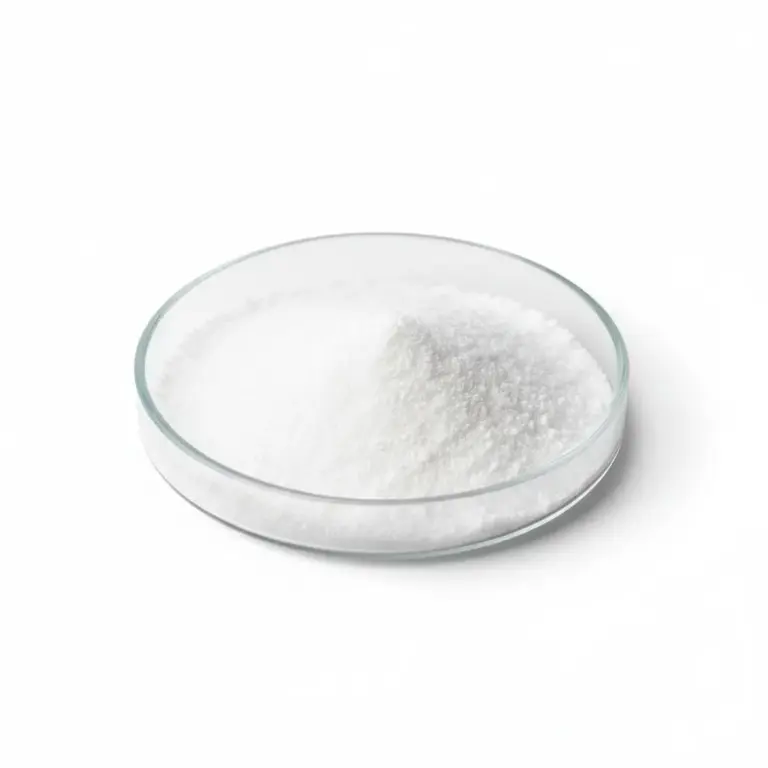
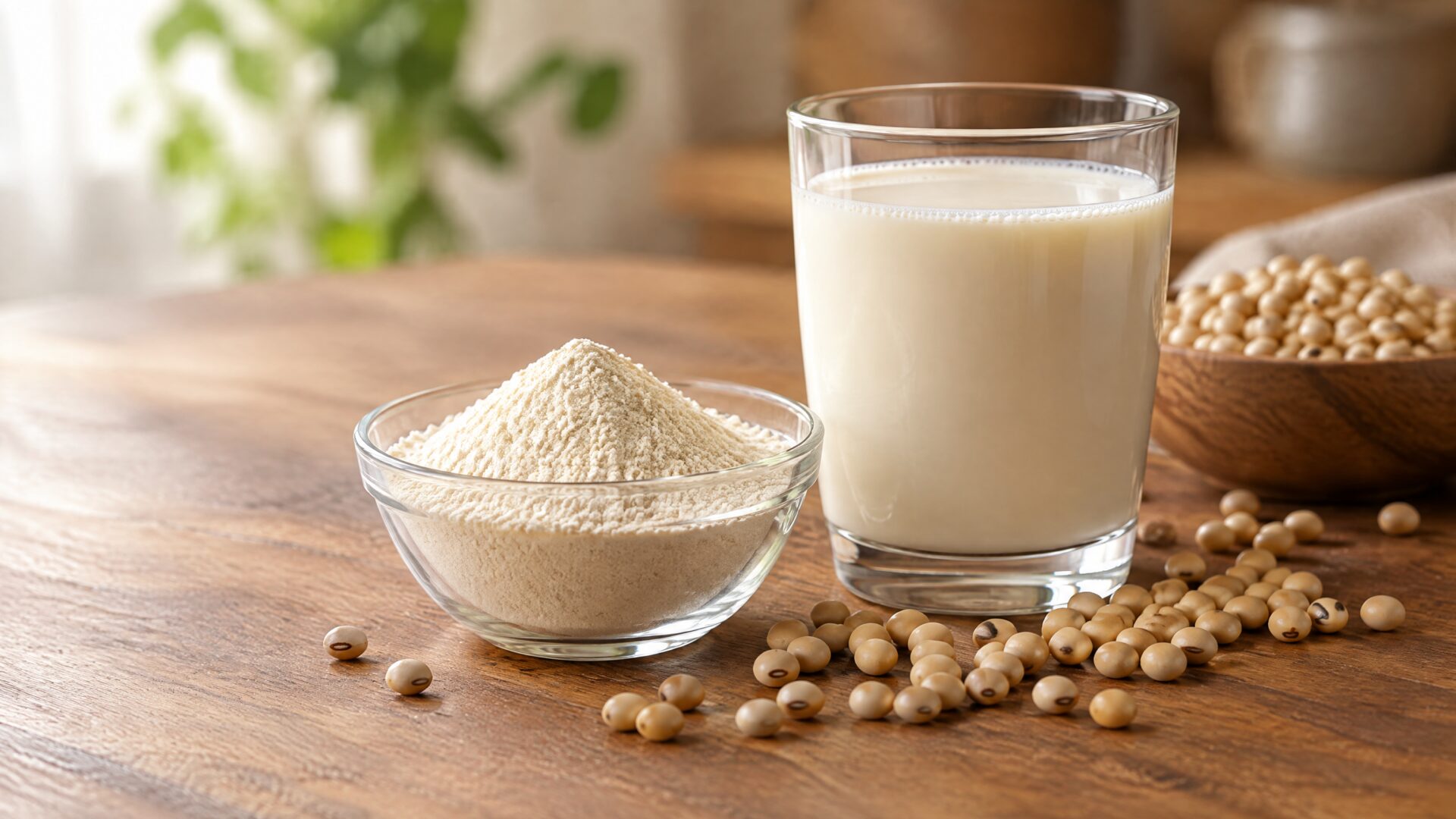
Soy peptide is produced by enzymatically hydrolyzing soy protein isolate, breaking the long protein chains down into short fragments of just 3 to 6 amino acids. This pre-digestion step is what sets it apart from standard soy protein: because the chains are already small, the body absorbs them far faster and with less digestive effort. The result is a fine, near-white powder that is nearly odourless and dissolves easily, making it easy to work into both food and cosmetic formulations.
Key Benefits
Enhanced Digestion & Absorption
Because the peptide bonds are already partially broken, soy peptide is absorbed into the bloodstream considerably faster than intact soy protein, making it a popular choice for post-workout recovery blends and clinical nutrition products aimed at people with reduced digestive capacity.
Cardiovascular Support
Research published in peer-reviewed nutrition journals has linked soy-derived bioactive peptides to modest reductions in blood pressure and LDL cholesterol, likely through ACE-inhibitory activity similar to that seen in other food-derived peptides.
Weight Management
Clinical studies on soy peptide supplementation have reported reductions in body fat mass and improvements in fasting insulin and leptin levels, which is why the ingredient increasingly appears in weight-management and metabolic health formulas.
Skin & Anti-Aging Applications
In topical use, soy peptides are valued for stimulating fibroblast activity, supporting the skin’s own collagen and elastin production. This has made the ingredient a common addition to eye creams, serums, and anti-aging formulas aimed at fine lines, elasticity, and under-eye brightness.
Common Forms Used in Formulation
- Soy peptide powder – the standard hydrolyzed protein powder used in supplements, sports nutrition, and functional foods.
- Soy peptide solutions/concentrates – liquid actives blended into serums, creams, and eye treatments.
- Soy-rice peptide complexes – combined with other hydrolyzed plant peptides for broader-spectrum cosmetic actives.
Sourcing and Quality Considerations for Manufacturers
Because soy peptide is produced via enzymatic hydrolysis rather than harsh chemical processing, the degree of hydrolysis and resulting peptide chain length directly affect performance — manufacturers should request a certificate of analysis confirming molecular weight distribution, not just total protein content. For food and supplement applications, non-GMO sourcing, allergen labelling, and heavy metal/microbiological testing are standard requirements. For cosmetic use, buyers should also confirm the peptide fraction is free of residual solvents from the enzymatic extraction process.
Safety and Side Effects
Soy peptide is generally recognized as safe for both oral consumption and topical use. As it is soy-derived, it is not suitable for individuals with a diagnosed soy allergy, and manufacturers are required to declare soy as an allergen on food and supplement labels. Beyond allergy considerations, soy peptide carries the same well-established safety profile as other soy protein derivatives.
Frequently Asked Questions
What is soy peptide good for?
Soy peptide is used to support faster protein absorption, cardiovascular health, weight management, and – in cosmetic form – skin elasticity and anti-aging.
Is soy peptide the same as soy protein?
No. Soy protein is the intact, larger molecule; soy peptide is soy protein that has been enzymatically broken down into much smaller, faster-absorbing fragments.
Is soy peptide safe for people with a soy allergy?
No. Soy peptide is derived directly from soy protein and must be avoided by anyone with a soy allergy, and labelled accordingly on finished products.
Can vegans use soy peptide?
Yes. Soy peptide is 100% plant-derived, making it a popular protein and active ingredient choice for vegan supplement and skincare formulations.
Sourcing soy peptide for your formulation?
FC Materials supplies hydrolyzed soy peptide for nutrition, supplement, and cosmetic applications. Tell us your product needs and our team will respond with specs, pricing, and MOQ.