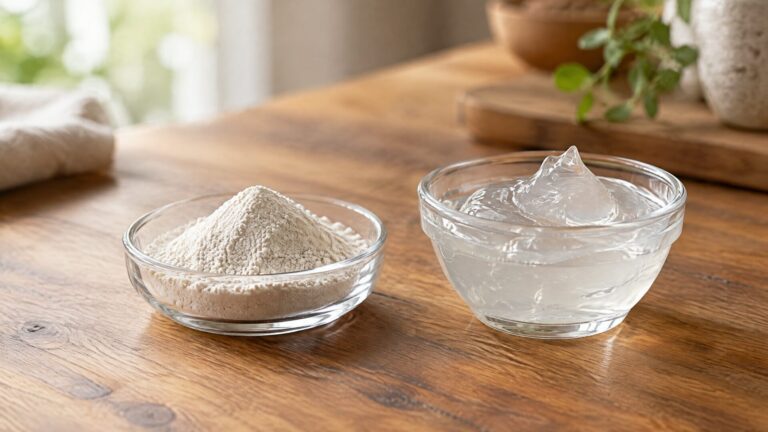

Fiber fortification without the grit, sweetness, or aftertaste of older fiber ingredients has long been a formulation challenge. Resistant dextrin has become a go-to answer, quietly boosting the fiber content of everything from sports drinks to keto-friendly baked goods.
What Is Resistant Dextrin?
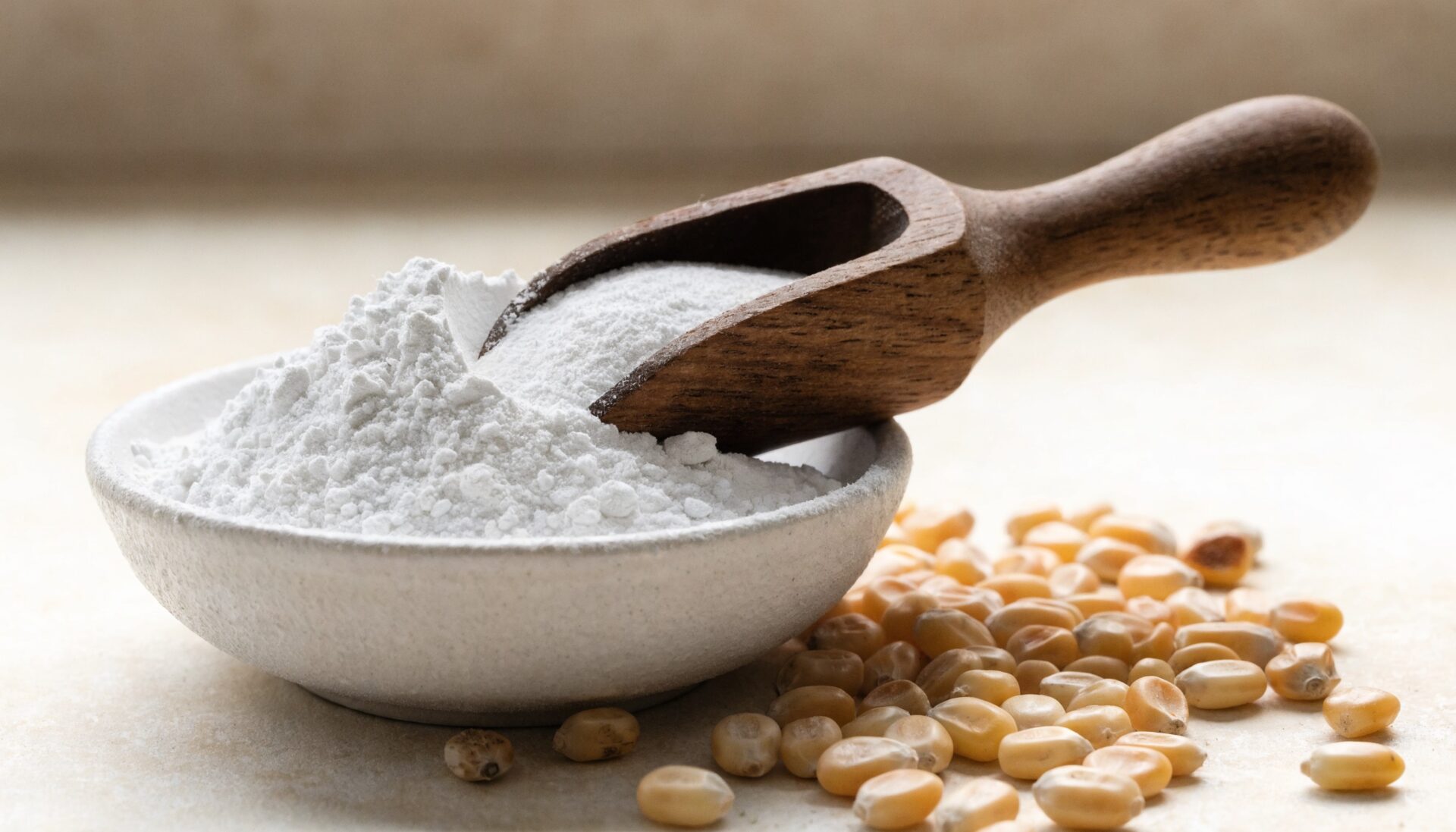
Resistant dextrin is a soluble dietary fiber produced by heating and enzymatically treating starch, typically from corn, wheat, or tapioca. Unlike regular dextrin, it resists digestion in the small intestine and travels largely intact to the large intestine, where it functions as a prebiotic, fermented slowly by beneficial gut bacteria. It is also commonly labeled resistant maltodextrin or soluble corn fiber, and several branded versions — such as Fibersol, Nutriose, and Fiberest — are sold commercially, each manufactured with slightly different fermentation profiles and solubility characteristics.
Resistant Dextrin vs. Maltodextrin vs. Inulin
These three ingredients are often confused because they sound similar or are used in overlapping applications. Regular maltodextrin is a rapidly digestible carbohydrate with a high glycemic impact, used mainly as a bulking agent or quick-energy carbohydrate — it has essentially no fiber value. Resistant dextrin, despite the similar name, is structurally modified to resist digestion, giving it a low glycemic impact and genuine prebiotic fiber content. Inulin, by contrast, is a naturally occurring plant fiber (from chicory root or agave) that ferments faster and more aggressively in the gut, which can cause more noticeable bloating in sensitive individuals compared to the slower, gentler fermentation of resistant dextrin.
Key Health Benefits
Digestive and Gut Health
As it ferments in the large intestine, resistant dextrin feeds beneficial gut bacteria and generates short-chain fatty acids such as butyrate, which support a healthy gut lining and regular bowel function.
Blood Sugar Support
Resistant dextrin has a low glycemic impact and may help slow the digestion and absorption of carbohydrates consumed alongside it, supporting more stable post-meal blood sugar levels.
Weight Management and Satiety
By adding bulk without significant calories and promoting feelings of fullness, resistant dextrin can support portion control and reduce the likelihood of overeating.
Heart Health Support
Research indicates the short-chain fatty acids produced during fermentation may favorably influence cholesterol metabolism, supporting broader cardiovascular health goals.
Common Forms Used in Formulation
- Fine powder for fortifying beverages, sauces, and soups without altering taste or texture
- Tablet and capsule fiber supplements
- Low-sugar and keto-friendly food and beverage formulations, where it adds fiber without spiking blood sugar
- Clean-label products marketed under “soluble corn fiber” naming
- Branded ingredient forms (Fibersol, Nutriose, Fiberest) used by manufacturers seeking a documented clinical and regulatory dossier
Sourcing and Quality Considerations for Manufacturers
Buyers should request a certificate of analysis confirming fiber content (typically 85-90% or higher), solubility, and viscosity specifications suited to their application. Non-GMO corn-sourced resistant dextrin is widely available, and tapioca-sourced options offer a gluten-free alternative for allergen-sensitive formulations. Confirm particle size and dispersibility if the ingredient is intended for clear beverages, since poor solubility can cause cloudiness or sediment. If regulatory fiber-claim substantiation matters for your market, ask whether the supplier’s resistant dextrin has published digestibility and fermentation data, since this underlies most fiber-content labeling claims.
Safety and Side Effects
Resistant dextrin is generally well tolerated, but like any fiber, it should be introduced gradually. Rapidly increasing intake can cause temporary bloating, gas, or digestive discomfort, particularly in individuals sensitive to fermentable fibers (FODMAPs), though resistant dextrin tends to ferment more slowly and gently than inulin or other short-chain fibers. It does not significantly raise blood sugar, making it a common choice in low-glycemic and diabetic-friendly formulations.
Frequently Asked Questions
What is resistant dextrin?
Resistant dextrin is a soluble dietary fiber made from modified starch (usually corn, wheat, or tapioca) that resists digestion in the small intestine and acts as a prebiotic in the large intestine.
What is another name for resistant dextrin?
It is also known as resistant maltodextrin or soluble corn fiber, and is sold under branded names including Fibersol, Nutriose, and Fiberest.
Is resistant dextrin good for you?
Yes, for most people. It supports gut health as a prebiotic, has a low glycemic impact, and may support satiety and heart health, though it should be introduced gradually to avoid digestive discomfort.
What foods have resistant dextrin?
Resistant dextrin isn’t naturally abundant in whole foods the way inulin is in chicory root; it’s primarily added as a functional fiber ingredient to fortified beverages, low-sugar baked goods, protein bars, and fiber supplements.
Is resistant dextrin the same as maltodextrin?
No. Regular maltodextrin is rapidly digested and can spike blood sugar, while resistant dextrin is a modified form that resists digestion and functions as a fiber and prebiotic instead.
Sourcing resistant dextrin for your formulation?
FC Materials supplies non-GMO resistant dextrin for food, beverage, and supplement manufacturing. Tell us your product needs and our team will respond with specs, pricing, and MOQ.