
Check the label on a bottle of salad dressing, a carbonated soft drink, or a shampoo, and there’s a good chance sodium benzoate is quietly doing the work of keeping it fresh. It’s one of the most widely used preservatives in the world, and also one of the more frequently questioned, largely due to a persistent benzene-formation concern that’s worth unpacking clearly.
What Is Sodium Benzoate?
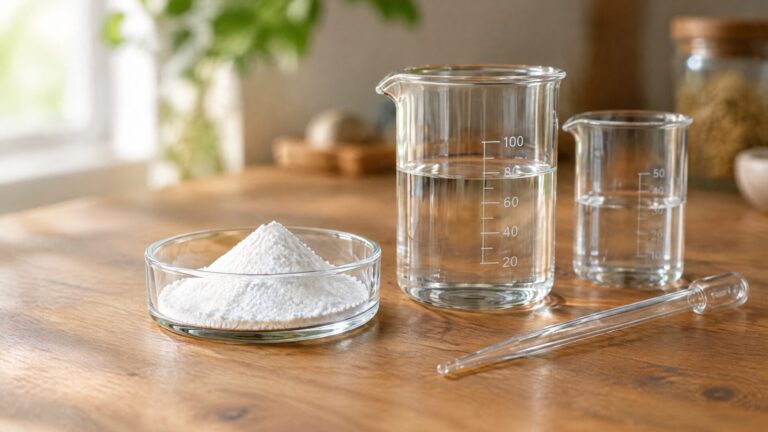
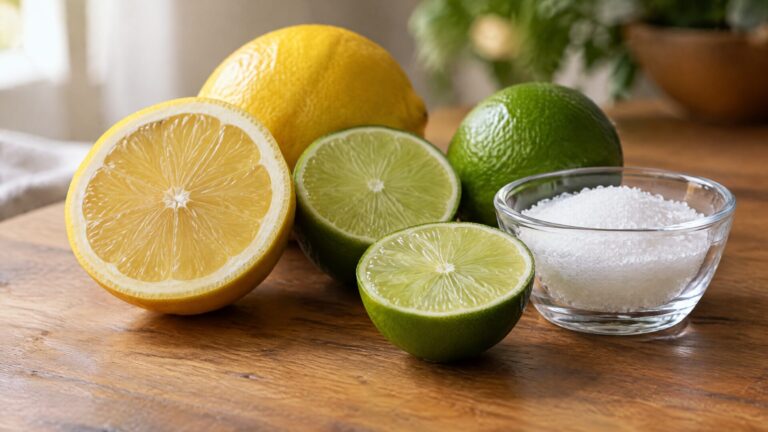
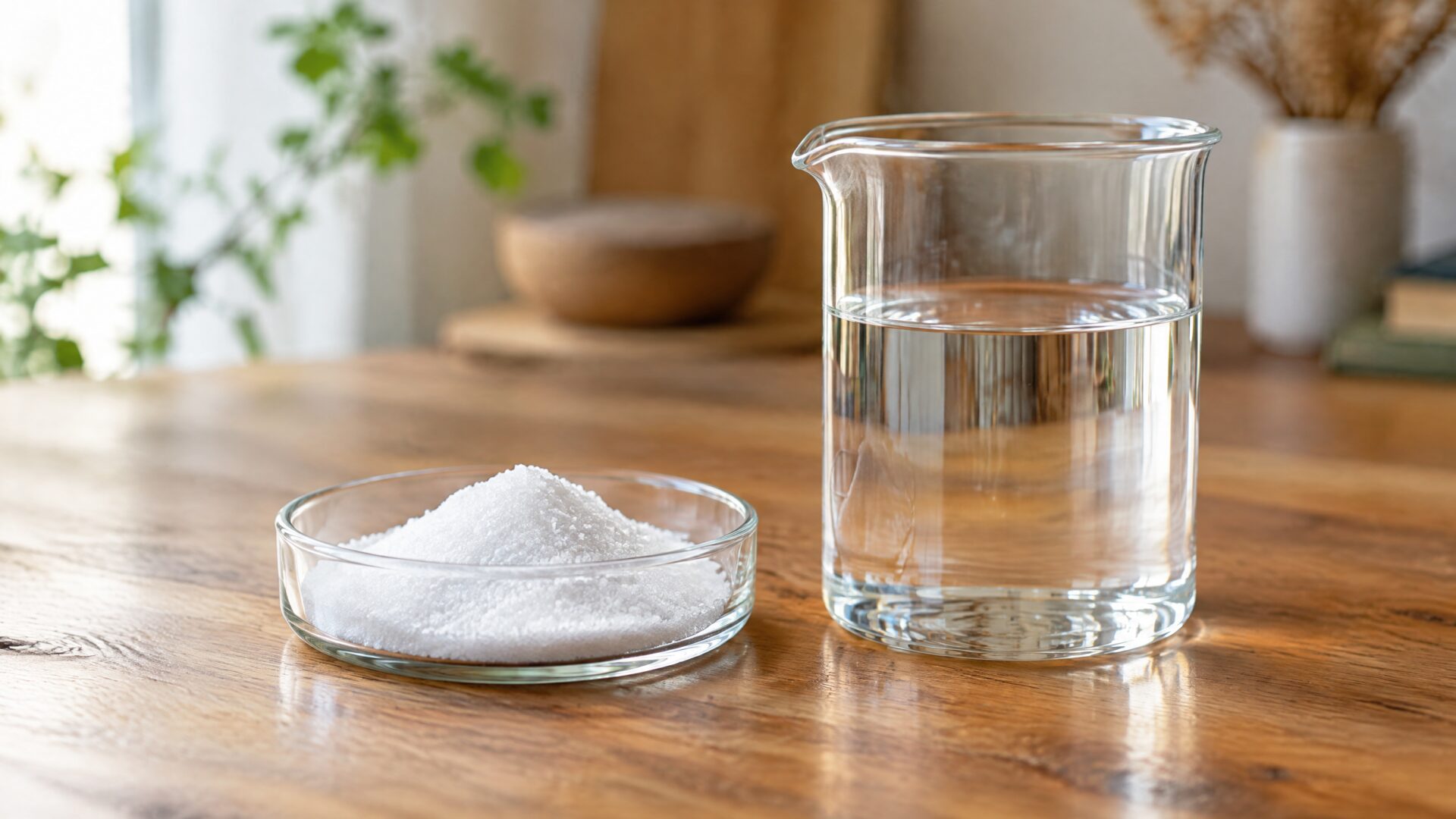
Sodium benzoate is a synthetic compound derived from benzoic acid, supplied as a white, water-soluble crystalline powder. It’s added to food, beverages, and personal care products for its antimicrobial properties, inhibiting the growth of bacteria, yeast, and mold that would otherwise cause spoilage. It works most effectively in acidic products (below pH 3.6), which is why it’s especially common in carbonated soft drinks, fruit juices, and vinegar-based condiments.
Is Sodium Benzoate Safe?
Sodium benzoate is approved for food and cosmetic use by the FDA and equivalent regulatory bodies internationally, within specified maximum usage levels. The most persistent safety question concerns benzene formation: when sodium benzoate is combined with ascorbic acid (vitamin C) in the presence of heat or light, it can form trace amounts of benzene, a known carcinogen at high exposure levels. Regulatory testing has found that benzene levels in properly formulated commercial products are minimal and well within safety limits, and manufacturers can further reduce this risk through formulation choices such as using alternative preservatives alongside vitamin C or controlling storage conditions (heat and light exposure).
Common Uses of Sodium Benzoate
- A preservative in carbonated soft drinks, fruit juices, and acidic condiments like pickles and salad dressings
- An antimicrobial agent in shampoos, lotions, and other personal care products
- A preservative in some liquid pharmaceutical formulations
Sodium Benzoate for Skin and Hair
In cosmetic formulations, sodium benzoate functions purely as a preservative rather than an active ingredient, protecting the product itself from microbial contamination during its shelf life. At the low concentrations used in personal care products, it’s considered safe for topical use, though individuals with specific preservative sensitivities occasionally report mild skin irritation, similar to reactions some people have to other common cosmetic preservatives.
Common Forms Used in Formulation
- Food-grade sodium benzoate powder, for beverage and acidic food preservation
- Cosmetic-grade sodium benzoate, for personal care and topical formulations
- Pharmaceutical-grade sodium benzoate, meeting stricter purity standards for drug formulation
Sourcing and Quality Considerations for Manufacturers
Buyers should request a certificate of analysis confirming purity percentage and heavy metal testing, along with documentation of the intended grade (food, cosmetic, or pharmaceutical). For beverage manufacturers specifically, it’s worth confirming formulation guidance around avoiding the combination of sodium benzoate and ascorbic acid without mitigating steps, given the benzene-formation consideration.
Safety and Side Effects
Sodium benzoate is well tolerated by most people within regulated usage levels. Rare allergic-type reactions, including hives or, in sensitive individuals with asthma, mild respiratory symptoms, have been reported, though these are uncommon at typical dietary exposure. It carries no established link to cancer at approved usage concentrations, distinct from the benzene-formation consideration specific to vitamin C combinations under heat or light exposure.
Frequently Asked Questions
Is sodium benzoate harmful?
At the concentrations approved for food, beverage, and cosmetic use, sodium benzoate is considered safe by major regulatory bodies; the main documented concern is trace benzene formation when combined with vitamin C under heat or light, which is a formulation consideration rather than a reason to avoid the ingredient generally.
Is sodium benzoate a carcinogen?
Sodium benzoate itself is not classified as a carcinogen; the concern relates specifically to benzene, a byproduct that can form in trace amounts under certain conditions when combined with ascorbic acid, and which regulatory testing has found to be minimal in properly formulated commercial products.
Is sodium benzoate safe for skin?
Yes, at the low concentrations used as a preservative in cosmetic formulations, sodium benzoate is considered safe for topical use, though individuals with known preservative sensitivities may experience mild irritation.
Is sodium benzoate natural or synthetic?
Sodium benzoate is synthetically produced from benzoic acid, though benzoic acid itself occurs naturally in some fruits like cranberries and prunes; the commercial ingredient used in formulation is manufactured rather than extracted from these natural sources.
Sourcing sodium benzoate for your formulation?
FC Materials supplies food, cosmetic, and pharmaceutical-grade sodium benzoate for manufacturing. Tell us your product needs and our team will respond with specs, pricing, and MOQ.