
Aloe vera is one of the rare ingredients with both a multi-thousand-year traditional-use history and a well-documented modern industrial supply chain. Behind the soothing gel most people know from sunburn relief sits a genuinely complex ingredient category, with quality varying enormously depending on how the plant material is processed.
What Is Aloe Vera Extract?
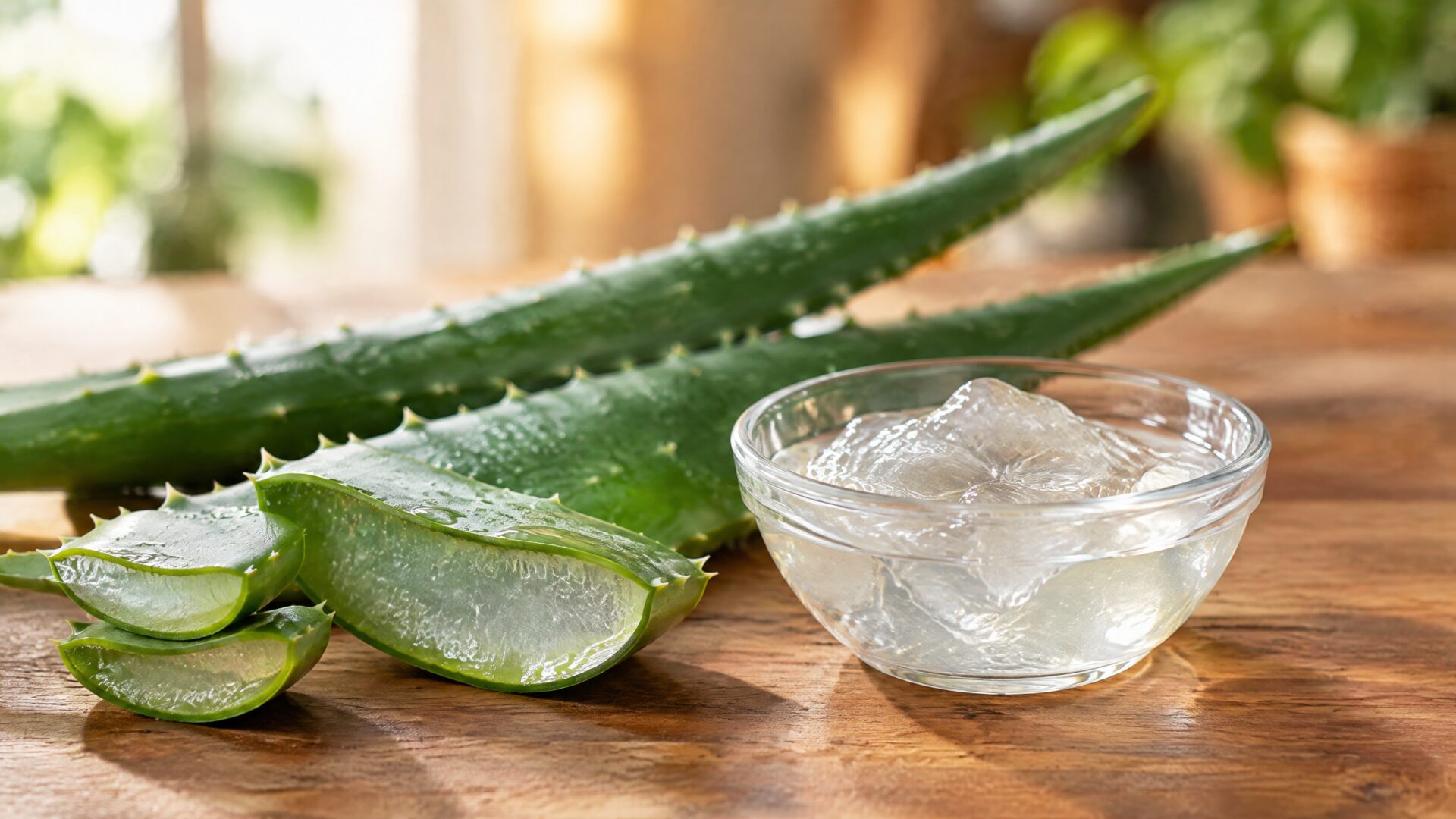
Aloe vera extract is derived from the gel found inside the leaves of the Aloe barbadensis miller plant. The inner leaf gel is rich in polysaccharides (notably acemannan), vitamins, amino acids, and enzymes, giving it its well-known soothing and hydrating reputation. Commercially, aloe is processed into several forms – from simple stabilized gel to freeze-dried powder concentrates – each suited to different formulation needs across food, beverage, cosmetic, and supplement applications.
Key Benefits
Soothing and Skin-Calming
Aloe vera’s best-known benefit is its soothing effect on irritated or sun-exposed skin, which underlies its widespread use in after-sun products, burn-care gels, and calming skincare formulations.
Hydration and Skin Conditioning
Aloe’s polysaccharide content helps bind moisture to the skin, supporting hydration in moisturizers, serums, and a wide range of cosmetic formulations.
Digestive and Wellness Support
Inner-leaf aloe extract is used in some beverages and supplements for digestive wellness support, a traditional use that continues in modern functional beverage formulations.
Antioxidant Content
Aloe vera contains antioxidant compounds that contribute to its general skin-protective and wellness positioning across product categories.
Common Forms Used in Formulation
- Stabilized aloe vera gel (1x) – the standard liquid form for cosmetics and beverages.
- Aloe vera concentrate (10x, 40x, 100x) – concentrated forms that reduce shipping volume and are reconstituted or dosed by concentration ratio.
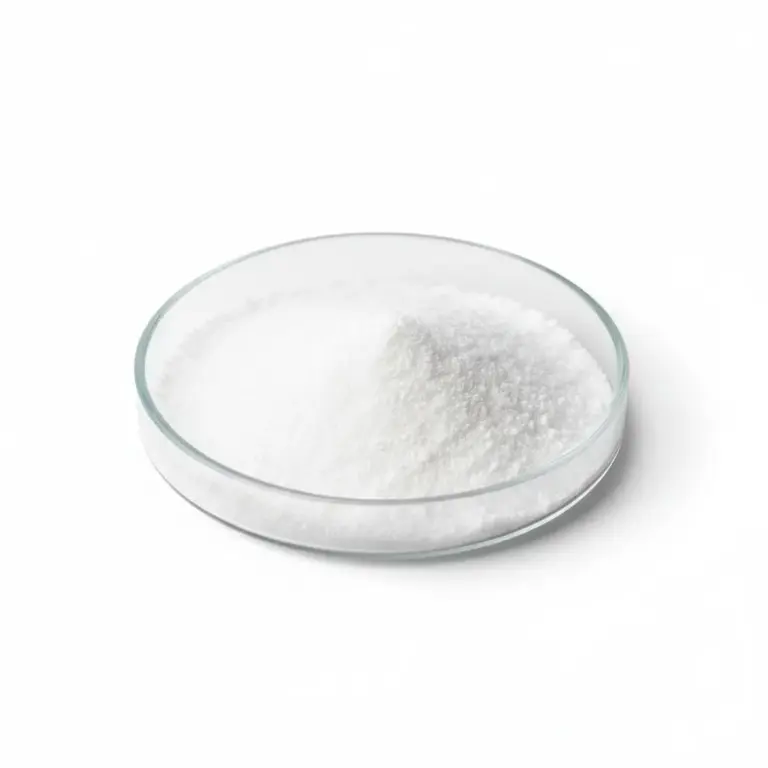
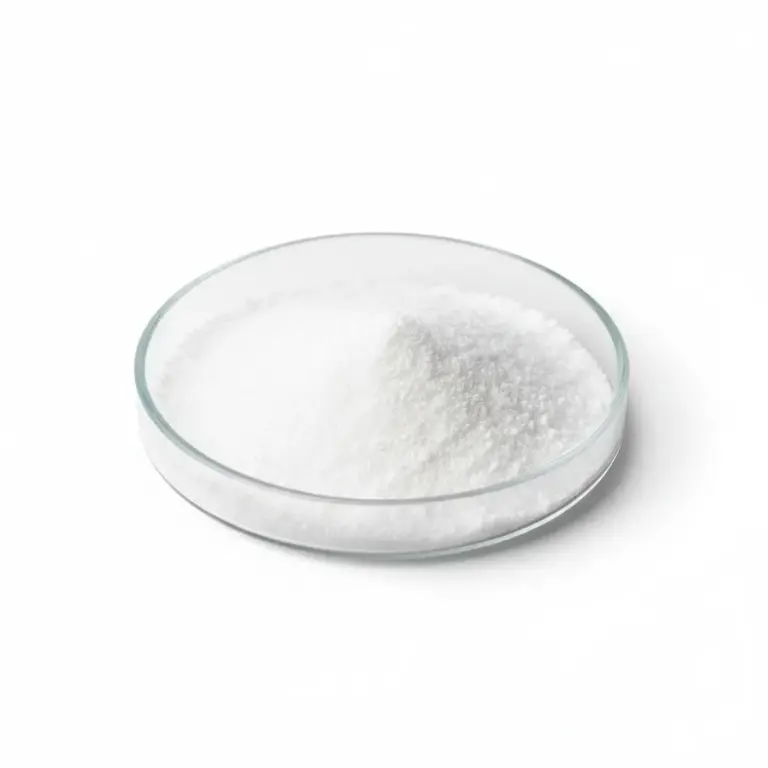
- Freeze-dried aloe vera powder – a shelf-stable, easy-to-dose form for supplements and dry formulations.
Sourcing and Quality Considerations for Manufacturers
Quality varies enormously in the aloe supply chain, so the certificate of analysis is critical: buyers should confirm polysaccharide (acemannan) content, aloin levels (aloin is a compound from the outer leaf that should be minimal to absent in quality inner-leaf gel, and is regulated in some markets), and the concentration ratio for concentrate forms. Verify the processing method – cold-processed or low-heat processing better preserves the bioactive polysaccharides than high-heat methods. Certification from industry bodies such as the International Aloe Science Council (IASC) is a valuable quality signal. Confirm preservative system, microbiological limits, and origin.
Safety and Side Effects
Topical aloe vera gel is well-tolerated and rarely causes irritation. Oral aloe products should specifically use inner-leaf (aloin-free or decolorized) material, since aloin from the outer leaf can act as a strong laxative and has raised safety concerns at high intake – which is why quality sourcing and aloin testing matter, particularly for ingestible products. Pregnant or breastfeeding individuals should consult a healthcare provider before consuming aloe products.
Frequently Asked Questions
What is aloe vera extract used for?
Aloe vera extract is used for soothing and calming irritated skin, hydration in cosmetics, digestive wellness support in beverages, and general antioxidant/wellness positioning across product categories.
What does the concentration ratio (like 10x or 100x) mean for aloe vera?
It indicates how concentrated the extract is relative to fresh aloe gel – a 100x concentrate is more concentrated and requires less product (and lower shipping volume) than a 10x concentrate to achieve the same dilution.
Is aloin in aloe vera safe?
Aloin, found in the outer leaf, can act as a strong laxative and raises safety concerns at high intake, particularly in oral products. Quality inner-leaf gel should be low in or free of aloin, especially for ingestible applications.
What does IASC certification mean for aloe vera?
International Aloe Science Council (IASC) certification is an industry quality seal verifying that an aloe product meets defined purity and authenticity standards, a useful signal when sourcing.
Sourcing aloe vera extract for your formulation?
FC Materials supplies stabilized gel, concentrate, and freeze-dried aloe vera powder for cosmetic, beverage, and supplement manufacturers. Tell us your product needs and our team will respond with specs, pricing, and MOQ.