
Introduction
Product teams across food, supplement, and personal care categories are under pressure to find natural ingredients that can genuinely boost energy, vitality, and hormonal health. Among the many botanicals on the market, tongkat ali stands out as one of the few with both deep traditional roots and growing scientific support.
Known to scientists as Eurycoma longifolia and to consumers as tongkat ali or “Malaysian ginseng”, this Southeast Asian root has long been used as a tonic for strength, stamina, and male vitality. Modern research now links its bioactive compounds with testosterone support, improved energy, sexual health, cardiovascular protection, and better stress resilience.
“Traditional medicine is the sum total of the knowledge, skills and practices based on the theories, beliefs and experiences indigenous to different cultures…” — WHO
For manufacturers in Malaysia and across Southeast Asia, tongkat ali extract is more than a trend ingredient. It is a strategic choice that must meet strict expectations around Halal status, safety, standardisation, and regulatory compliance. That is where a specialist B2B partner such as FC Materials Sdn Bhd, based in Penang, becomes highly valuable, combining ingredient quality with regulatory and logistics support.
By reading this article, readers will gain a practical overview of how tongkat ali works, the key benefits backed by research, the safest ways to formulate with it, and where it fits across supplements, functional foods, personal care, and pharmaceutical R&D. The article also explains how FC Materials helps brands and manufacturers bring reliable, Halal-certified tongkat ali products to market with confidence.
Key Takeaways
Tongkat ali benefits cover testosterone support, energy, stamina, sexual function, and cardiovascular health. It combines a strong record of traditional use with modern data, which helps brands speak to both heritage and science in their marketing. This mix of story and evidence gives products a clear point of difference on crowded shelves.
The main bioactive group in tongkat ali is a family of quassinoids, especially eurycomanone, which are used as marker compounds for standardised extracts. Supporting classes such as alkaloids and biphenylneolignans add antioxidant and antimicrobial activity, widening its health profile. Manufacturers who specify standardised extracts and HPLC testing can keep potency and claims consistent from batch to batch.
Tongkat ali works well in multiple categories, including nutraceuticals, sports nutrition, functional beverages, and topical skincare. Safety data supports an Acceptable Daily Intake for adults, and Halal certification is key for Malaysia and the wider region. FC Materials Sdn Bhd supplies non‑GMO, Halal-certified tongkat ali extract along with NPRA and regulatory support, giving manufacturers a reliable base for product development.
What Is Tongkat Ali? Botanical Profile and Key Bioactive Compounds
Tongkat ali is the common name for Eurycoma longifolia Jack, a small tree from the Simaroubaceae family. It is native to Southeast Asia and is especially well known in Malaysia and Indonesia. In Indonesia it is often called pasak bumi, while many exporters and brands use the term “Malaysian ginseng” to highlight its energising, tonic properties.
The plant itself is a tall, slender shrub‑like tree that can reach up to about ten metres in height. It usually has a single straight stem with a crown of large, compound leaves at the top, which gives it a slightly palm‑like look. The leaves can grow to around one metre long and are made up of many narrow, lance‑shaped leaflets, while the tree also bears small ovoid fruits containing a single stone.
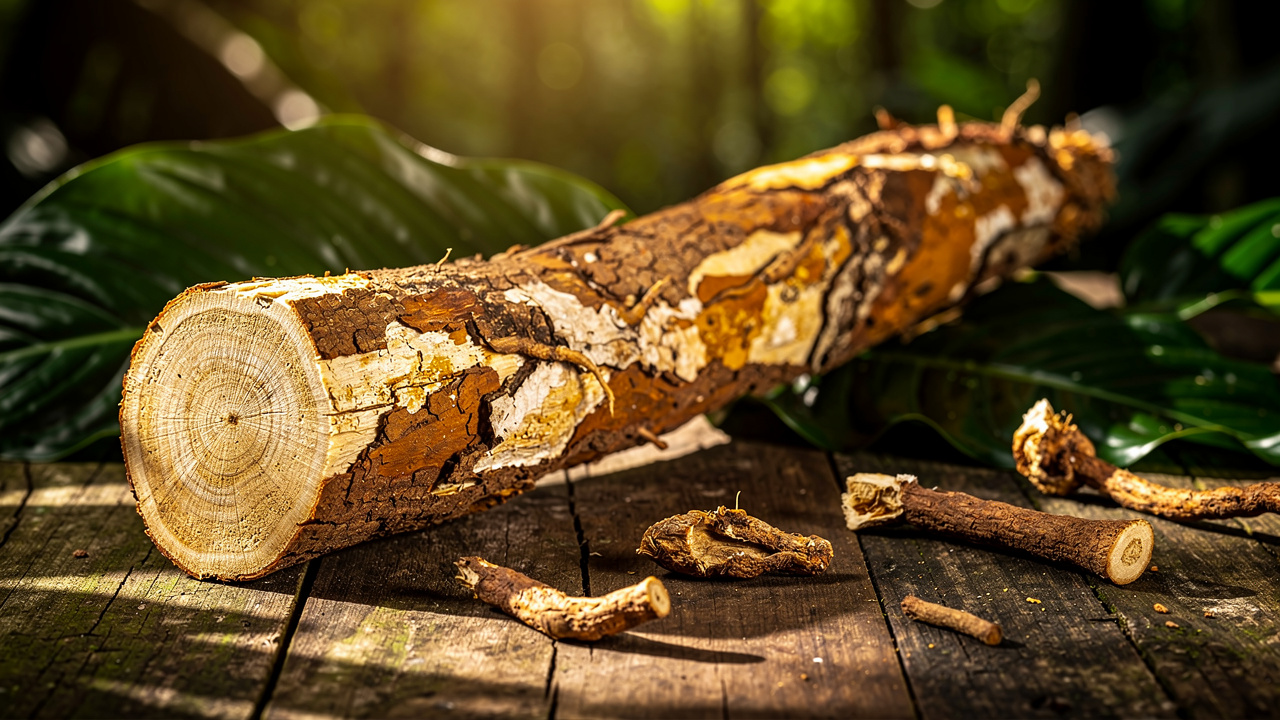
For health and commercial use, the part that matters is the long, woody taproot. This root stores the highest level of bioactive compounds, including the quassinoids that give tongkat ali its distinct bitter taste and many of its studied effects. Almost all high‑quality tongkat ali extracts for supplements and functional foods are produced from this root rather than from leaves, stems, or fruits.
Tongkat ali grows naturally in lowland rainforests across Peninsular Malaysia, Indonesia, Thailand, Vietnam, Myanmar, Laos, and the Philippines. It prefers acidic, well‑drained sandy soils and thrives in the shaded understorey. Soil, rainfall, altitude, and forest conditions can all influence the level of active compounds in the root, so origin and traceability matter for consistent product performance. For manufacturers, sourcing from trusted Malaysian and Indonesian suppliers, with clear documentation on origin and harvesting practices, helps support quality, sustainability, and regulatory acceptance.
The Bioactive Compounds That Drive Tongkat Ali’s Effects
The strong reputation of tongkat ali does not come from folklore alone. Its root contains a rich set of phytochemicals that work together to support hormonal, metabolic, and immune functions. Understanding these compound classes helps product developers decide on extract specifications, standardisation levels, and the claims they can safely support.
Key groups of bioactive compounds in tongkat ali root include:
Quassinoids
More than sixty‑five quassinoids have been identified in tongkat ali root, and they are responsible for the distinct bitterness of the plant. Among them, eurycomanone is the best known and is widely used as the main marker for standardised extracts, often at one percent or two percent content. Other notable members include 13,21‑dihydroeurycomanone, eurycomalactone, and eurycomanol, each contributing to observed effects such as anti‑malarial activity, testosterone support, and metabolic benefits.Alkaloids
Canthine‑6‑one and β‑carboline alkaloids show antimicrobial and anti‑parasitic actions in laboratory studies, adding to tongkat ali’s appeal for immune support and general resilience.Biphenylneolignans and related antioxidants
These compounds bring meaningful antioxidant capacity, helping neutralise free radicals and protect tissues from oxidative stress.Triterpenes and squalene derivatives
Tirucallane‑type triterpenes and squalene derivatives help build out the wider bioactivity profile, contributing to anti‑inflammatory and membrane‑supportive actions.
These different compound families appear to work in synergy, which is why many researchers prefer standardised full‑spectrum extracts over single isolated molecules.
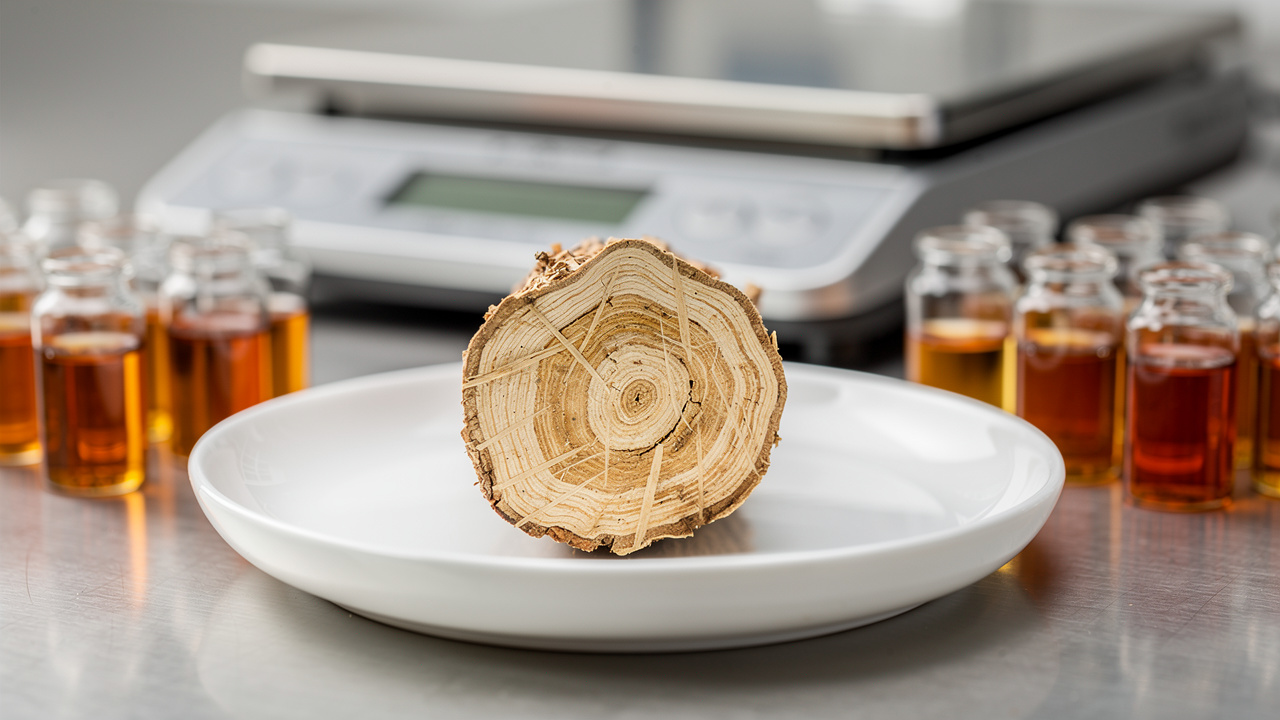
For manufacturers, this chemical complexity means quality control is essential. High‑Performance Liquid Chromatography (HPLC) is the standard method used to check eurycomanone content and confirm that each batch meets the agreed specification. HPLC data, paired with certificates of analysis and origin documents, supports regulatory submissions, label claims, and brand promises about consistency and efficacy.
Top Tongkat Ali Benefits Backed by Science
The traditional use of tongkat ali as a strength and vitality tonic has guided much of the modern research. Over the past decades, animal and in‑vitro studies, along with a growing number of human trials, have explored how it affects hormones, energy systems, cardiovascular function, immune health, and stress response. While more clinical work is always welcome, the current evidence already gives manufacturers a solid base for focused product concepts.
The main tongkat ali benefits supported by research include:
Hormonal balance and natural testosterone support
Increased energy, stamina, and adaptogenic activity
Sexual health and libido support
Mental clarity, mood, and stress reduction
Cardiovascular and metabolic markers
Antioxidant and anti‑inflammatory actions
“Start with the science, then build the story around it,” is advice many nutraceutical formulators live by.
Hormonal Balance and Natural Testosterone Support

Tongkat ali is best known for its impact on male hormones, especially testosterone. Research suggests that it acts on the hypothalamic‑pituitary‑gonadal axis, where it encourages the pituitary gland to release more Luteinizing Hormone. This hormone then signals the Leydig cells in the testes to produce more testosterone. There are also indications that tongkat ali may reduce the conversion of testosterone to oestrogen and help release more free testosterone from sex hormone‑binding globulin, which increases the active fraction circulating in the body.
In a rat study by Al‑Joufi and colleagues, animals given Eurycoma longifolia extract at fifteen milligrams per kilogram showed a clear rise in testosterone, both on a normal diet and on a high‑fat diet. Earlier work by Ang and co‑workers on castrated male rats found that tongkat ali extract promoted the growth of androgen‑dependent tissues such as the ventral prostate and seminal vesicles. These changes match what would be expected from an androgenic, testosterone‑supporting agent.
Smaller human studies have also reported increases in total and free testosterone in men with low baseline levels after several weeks of taking standardised tongkat ali extract, though more large‑scale trials would be valuable.
For manufacturers, this body of data supports the use of tongkat ali in men’s health supplements aimed at:
Hormonal vitality and age‑related testosterone decline
Training and recovery support for active men
Male fertility and reproductive wellness formulas
When combined with clear standardisation and dosing, brands can position products for men who feel tired, experience low drive, or want better support for training and recovery.
Increased Energy, Stamina, and Adaptogenic Properties
Traditional healers long viewed tongkat ali as a general tonic for strength and endurance, and modern users report similar effects. As an adaptogenic herb, it appears to help the body cope better with both physical and psychological stress. One proposed line of action is through modulation of cortisol, the main stress hormone, which can drain energy and disturb sleep when it stays high for too long.
By supporting testosterone and moderating stress hormones, tongkat ali can help keep anabolic processes in balance, so that muscle repair, power output, and stamina do not fall away under pressure. Users often describe better exercise capacity and less fatigue with repeated effort. For older adults, this can translate into steadier daily energy, while for athletes it can mean better training quality and faster recovery between sessions.
Practical observations from regular users often include:
Less post‑exercise fatigue and soreness
More consistent day‑long energy
Better tolerance of heavy training blocks or busy work periods
For B2B brands, this adaptogenic and energising profile makes tongkat ali a strong fit for energy and stamina capsules, daily vitality blends, and sports nutrition products that focus on more than just short‑term stimulation. It pairs well with clean‑label positioning, especially when using water‑based extracts.
Enhanced Sexual Health and Libido
One of the most well known traditional uses of tongkat ali is as an aphrodisiac and remedy for sexual insufficiency. This reputation is backed by research such as the Ang study on castrated male rats, where tongkat ali extract supported the initiation of sexual behaviour. Growth in androgen‑dependent reproductive tissues in that same study suggests that the extract supports the hormonal and physical bases for sexual function.
In practice, users often report:
Higher libido
Better sexual satisfaction
Improved confidence and self‑image
While much of the market focus is on men, increased drive and energy can also benefit women, especially when stress and fatigue dampen interest. Combined with its effects on mood and stress, tongkat ali can support a more positive approach to intimacy.
Manufacturers can use this evidence to develop libido‑focused blends, holistic men’s vitality formulas, and male fertility products that also address sperm health. Careful claim wording and regulatory review are important, but the traditional story and modern data give a strong platform for serious product ranges rather than short‑term fads.
Mental Clarity, Mood, and Stress Reduction
Energy is not only physical. High stress, poor sleep, and constant pressure can lead to brain fog, irritability, and low motivation. Studies on tongkat ali suggest that it may lower cortisol and support a better balance between stress and sex hormones. This shift can ease feelings of tension, help stabilise mood, and support sharper mental focus.
Users of tongkat ali often describe feeling calmer yet more driven, with less mental fatigue across the day. Some also report better sleep quality once stress levels ease. When people can think more clearly and manage stress better, they make better decisions and stick more easily to training and wellness routines. These softer benefits are increasingly important as consumers look for products that support both mind and body.
For product developers, tongkat ali can play a helpful role in:
Stress‑relief and adaptogenic formulas
Cognitive health products for busy professionals
Modern nootropic stacks where natural hormone balance and stress control are valued
Cardiovascular Health and Anti-Atherosclerotic Effects
Cardiovascular health is a growing focus for mid‑life consumers, and tongkat ali may have a useful role here as well. In the Al‑Joufi high‑fat diet rat model, animals on a fatty diet that also received tongkat ali extract had lower triglyceride levels compared with those on the high‑fat diet alone. High triglycerides are a known risk factor for atherosclerosis and related heart issues.
Even more striking, the same study found that the intima‑media thickness of the aortic wall was lower in the tongkat ali group. Since this thickness is a recognised marker of plaque build‑up and artery damage, the result suggests that the extract helped protect the arteries from diet‑induced injury. Importantly, animals on a normal diet who received tongkat ali did not show any signs of arterial harm, reinforcing its safety under typical conditions.
These findings open space for tongkat ali in heart health and metabolic wellness products, especially those that also target stress and hormonal balance. It can be included alongside plant sterols, omega‑3 fatty acids, or fibre ingredients to build a more rounded cardiovascular support formula.
Antioxidant and Anti-Inflammatory Properties
Oxidative stress and low‑grade inflammation lie behind many chronic complaints, from joint stiffness to slow recovery after exercise. Work by Varghese and colleagues using the DPPH assay showed that tongkat ali extract has strong free radical scavenging activity across a range of concentrations. Its antioxidant action was broadly comparable with ascorbic acid, which is often used as a reference compound.
The same line of research also reported meaningful anti‑inflammatory effects across all tested doses. Other studies point towards effects on the NF‑κB signalling pathway, which controls the production of many inflammatory mediators. By calming this pathway, tongkat ali may help reduce inflammation triggered by stress, heavy exercise, or metabolic strain.
For manufacturers, this dual antioxidant and anti‑inflammatory profile supports product ideas for:
Healthy ageing and longevity support
Joint comfort and mobility
Immune health and sports recovery
Topical skincare where oxidative stress and inflammation drive many signs of ageing
Tongkat Ali’s Applications in B2B Product Development
Once the science is clear, the next question for brands is how to turn tongkat ali into commercially strong products that fit consumer needs and regulatory rules. Because it works across hormonal, metabolic, and stress‑related pathways, the root is highly flexible. This helps manufacturers build clear product ranges for different audiences while still working from a familiar, well‑studied ingredient base.
In practice, tongkat ali can anchor B2B concepts in:
Nutraceuticals and dietary supplements
Sports nutrition and performance products
Functional foods and beverages
Personal care and cosmetics
Pharmaceutical and pre‑clinical research
The following sections look at each of these in more detail.
Nutraceuticals and Dietary Supplements
Nutraceuticals are the primary home of tongkat ali today. Men’s health capsules or tablets that support testosterone, libido, stamina, and fertility are often built around standardised tongkat ali root extract as the lead ingredient. Clear information on eurycomanone content and extract ratio helps brands support claims about strength and performance.
Sports nutrition brands can use tongkat ali in pre‑workout and post‑workout products that focus on natural anabolic support, strength, and recovery rather than fast stimulants alone. When combined with amino acids or protein, tongkat ali can speak directly to consumers who want hormonal support alongside training.
There is also strong potential in general energy and healthy ageing supplements, where mid‑life adults seek better daily drive, cardiovascular support, and preserved muscle mass. In all these cases, standardised tongkat ali extract gives precise dosing and steady potency, which is especially important for brands that want to build long‑term trust with repeat buyers.
Functional Foods and Beverages
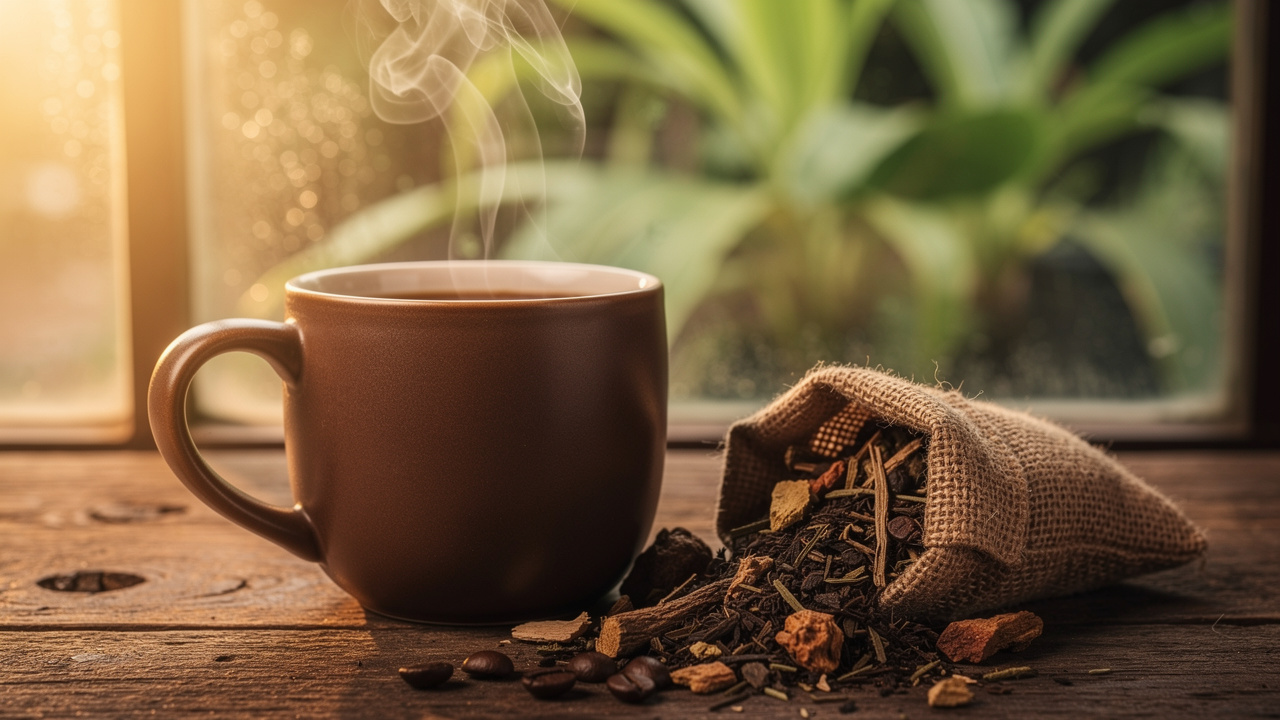
Tongkat ali is moving steadily from capsules into drinks and foods. In Malaysia, tongkat ali coffee and tea are already common, combining familiar beverages with the promise of extra stamina and drive. When formulated well, such products can deliver a daily wellness ritual rather than an occasional supplement.
Water‑extracted tongkat ali is a good fit for clean‑label drinks and shots, since it reflects the traditional decoction method where roots were boiled in water. Energy drinks, herbal tonics, and ready‑to‑drink coffees can all carry meaningful yet safe amounts of extract, especially when taste is balanced with sweeteners and flavourings.
Popular functional food and beverage applications include:
Tongkat ali coffee, cocoa, and herbal tea mixes
Energy drinks and concentrated wellness shots
Protein shakes and smoothies for active consumers
Protein bars and performance snacks for on‑the‑go use
Careful attention to bitterness and flavour balance is important, but with the right extract and recipe, brands can launch products that feel modern yet rooted in regional herbal heritage.
Personal Care and Cosmetics
Outside ingestible products, tongkat ali also has potential in topical personal care. Its antioxidant and anti‑inflammatory properties make it interesting for anti‑ageing skincare, where the aim is to reduce damage from free radicals and calm irritation. The Southeast Asian origin story also adds an appealing regional narrative for brands that want to highlight natural heritage ingredients.
Formulators might use tongkat ali extract in serums, creams, or masks that target signs of environmental stress, such as dullness or loss of firmness. When combined with other botanicals, it can support a more holistic approach to skin wellness that goes beyond surface moisturisation.
In this context, the choice of extraction method matters, since the solvent and concentration affect both stability and penetration through the skin barrier. Brands should work with ingredient partners who can provide cosmetic‑grade extracts and basic data on safety for topical use.
Pharmaceutical Research and Development
The pharmaceutical sector views tongkat ali mainly as a source of interesting compounds for further research. Quassinoids such as eurycomanone and the alkaloid 9‑methoxycanthin‑6‑one have shown strong activity against Plasmodium falciparum, the parasite behind the most severe form of malaria, with good selectivity for the parasite over human cells.
Other laboratory work has tested tongkat ali fractions against cancer cell lines, such as MCF‑7 breast cancer cells, where they have shown the ability to slow cell growth and trigger programmed cell death. These findings are early and apply to cell cultures rather than patients, so they do not replace standard care. Still, they point towards a valuable library of plant compounds that pharmaceutical R&D teams may want to explore more deeply.
For companies in this space, reliable access to well‑characterised raw material and consistent extracts is key. Partners such as FC Materials can support research groups with documentation, traceability, and steady supply for pre‑clinical work.
Safety Profile, Dosage, and Regulatory Considerations

Any ingredient that targets hormones and energy must have a clear safety and regulatory profile. Tongkat ali has been studied in several toxicology models, and the results are reassuring for manufacturers who wish to use it responsibly in consumer products.
A major review by Chiang and colleagues looked at acute and subchronic toxicity of powdered tongkat ali root. In acute tests, the oral LD50 was greater than six grams per kilogram of body weight per day, which indicates very low acute toxicity. Over a thirteen‑week subchronic study, animals given tongkat ali did not show adverse changes in body weight, blood counts, serum chemistry, urine markers, or organ structure.
Genotoxicity testing in the same evaluation found no sign that tongkat ali root causes mutations or chromosome damage. Based on the overall data, researchers proposed an Acceptable Daily Intake (ADI) for adults of up to one point two grams per day. This gives formulators a broad safety margin, since most commercial products use doses well below this level, particularly when tongkat ali is part of a broader blend.
When planning dosage, manufacturers should consider:
The standardisation level (for example, one percent vs. two percent eurycomanone)
Other active ingredients in the formula
The target audience and product positioning
High‑concentration extracts that contain one or two percent eurycomanone will need lower milligram amounts than raw root powder to reach the same effect profile. In multi‑herb blends that also include maca, black seed, or ginger, tongkat ali doses can be adjusted to suit the focus of the product.
As with many herbs that act on hormones, use is generally not advised for pregnant or breastfeeding women due to limited safety data. Some sensitive users may experience mild restlessness if they take high doses close to bedtime, so timing of intake should also be considered. Advising consumers to consult a healthcare professional before starting any new supplement remains good practice.
Regulation in Malaysia is mainly overseen by the National Pharmaceutical Regulatory Agency (NPRA). Many tongkat ali supplements fall under the traditional product framework, which has defined rules on quality, safety, and labelling. Halal certification is particularly important in Malaysia and much of Southeast Asia, since it directly affects consumer acceptance and retail access.
Brands are expected to provide clear labels that show extract ratios, standardisation markers such as eurycomanone percentage, plant part used, and country of origin. Independent lab testing for heavy metals, microbial load, and adulterants is also becoming standard practice. FC Materials supports clients in meeting these expectations by supplying non‑GMO, Halal‑certified tongkat ali extracts with full documentation, which simplifies NPRA submissions and internal quality control.
Formulation Insights Choosing the Right Form of Tongkat Ali for Your Product
Even the best ingredient can underperform if the form or extraction method does not suit the finished product. For tongkat ali, manufacturers must decide between raw powder and standardised extract, choose an extraction method that supports their claims, and think about how it will combine with other actives. Making these choices carefully can reduce reformulation later and keep projects on schedule.
Raw Root Powder vs. Standardised Extracts
Raw tongkat ali root powder is produced by cleaning, drying, and milling the harvested roots. It mirrors traditional use, where boiled roots were taken as a decoction, and can appeal in simple, cost‑sensitive formulations. However, raw powder often shows wider variation in its content of quassinoids and other actives, because growing conditions and plant age differ between harvests.
Standardised tongkat ali extracts offer a more controlled option. Here, the root is extracted with water or a solvent, then concentrated to yield a material with a defined level of key compounds such as eurycomanone. Common commercial specifications focus on one or two percent eurycomanone, which allows brands to state clear, repeatable doses on pack. This approach supports consistent performance and easier comparison between lots.
For most premium nutraceutical and pharmaceutical products, standardised extracts are the better choice. HPLC testing is used to verify that each batch meets its specification, and certificates of analysis document these values. This gives manufacturers greater confidence in both their product quality and their marketing claims.
Water vs. Solvent Extraction Methods
Water extraction follows the traditional approach where tongkat ali roots were boiled to release their active constituents. Modern water extracts are usually spray‑dried into powders and tend to have a compound profile that reflects this heritage use. They are preferred for clean‑label products where consumers expect familiar, simple processing methods, such as functional coffees, teas, and ready‑to‑drink tonics.
Solvent extraction, often using ethanol, can pull out a slightly different mix of compounds and can reach higher concentrations of some quassinoids. These extracts are common in capsules or tablets aimed at strong hormonal or sports performance claims, where space per dose is limited and higher potency is desired. Solvent residues must remain within strict safety limits, and reputable suppliers provide data to confirm this.
When choosing between these methods, product developers should align the extract type with:
The intended format (capsule, drink, bar, topical)
The desired claim set (for example, testosterone vs. general vitality)
The target market and relevant regulatory rules
Early discussion with both regulators and suppliers helps avoid surprises later in the development cycle.
Synergistic Ingredient Combinations
Tongkat ali often works best when combined with other complementary botanicals. Examples of well‑matched partners include:
Maca root extract (Lepidium meyenii)
A good partner in men’s and women’s vitality formulas, as it also supports libido, mood, and energy through endocrine and nutrient effects. Together with tongkat ali, it can speak to both hormone balance and stamina.Black seed extract (Nigella sativa)
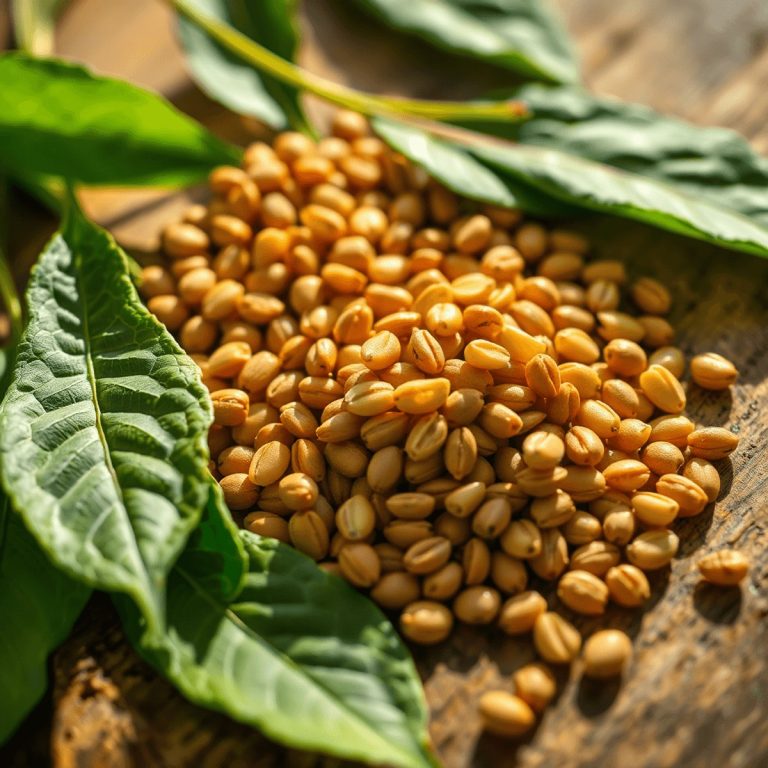
Brings additional antioxidant and anti‑inflammatory support. This can widen the appeal of a formula from pure sexual health into general wellness and immune resilience.Ginger extract (Zingiber officinale)
Known for its digestive benefits and its ability to improve absorption of other actives, while also carrying its own anti‑inflammatory profile.
By designing thoughtful combinations like these, brands can create products that feel complete and address several consumer needs at once. Tongkat ali sits comfortably at the centre of such blends, giving a clear point of focus while the partner herbs round out the benefits.
Why Source Tongkat Ali from FC Materials Sdn Bhd?
Choosing the right supply partner for tongkat ali is just as important as choosing the right extract. For manufacturers in Malaysia and Southeast Asia, FC Materials Sdn Bhd offers a combination of local knowledge, regulatory support, and ingredient quality that makes product development smoother and more reliable.
FC Materials specialises in functional, nutritional, and specialty ingredients, with tongkat ali extract as one of its core offerings for energy, vitality, and hormonal health. The company works with carefully screened producers to supply extracts that are pure, non‑GMO, and free from unnecessary fillers or artificial additives. This supports clean‑label positioning and helps brands meet the expectations of educated consumers.
“Working with a local ingredient partner who understands both herbal science and regulation can save months of trial and error,” is a sentiment shared by many Malaysian product developers.
Halal status is a central requirement in the region, and FC Materials provides Halal-certified nutraceutical raw materials backed by proper documentation. This allows clients to approach product registration and retail discussions without uncertainty over religious compliance. Alongside Halal, the team offers guidance on NPRA and Ministry of Health requirements, which is especially helpful for startups and SMEs bringing their first products to market.
Rather than acting only as a trader, FC Materials positions itself as a collaborative partner. The company assists with ingredient selection, specification drafting, and basic R&D support, helping clients match tongkat ali forms and doses to their product concepts. This hands‑on support can save time and reduce missteps, particularly for brands that are new to herbal actives or to the Malaysian regulatory environment.
Supply chain integrity is another key focus. With a base in Penang and a strong regional network, FC Materials maintains traceability from raw material to finished extract, supported by certificates of analysis and origin. This traceability is important not only for regulators but also for brands that wish to speak openly about where and how their ingredients are sourced.
FC Materials serves a wide range of B2B clients, including food and beverage manufacturers, nutraceutical and health supplement producers, personal care and cosmetics formulators, and pharmaceutical companies. Whether the goal is a tongkat ali coffee mix, a premium men’s health capsule, or a topical product that draws on its antioxidant story, FC Materials provides both the ingredient and the guidance needed to move from concept to shelf.
“Quality is never an accident; it is always the result of intelligent effort.” — John Ruskin
Conclusion
Tongkat ali, or Eurycoma longifolia, has moved from local herbal remedy to a serious global ingredient backed by a growing body of science. Its quassinoid‑rich root supports testosterone balance, energy, stamina, sexual function, cardiovascular markers, and resilience against oxidative stress and inflammation. These benefits make it a strong fit for men’s health, sports nutrition, healthy ageing, stress management, and even topical skincare.
For manufacturers, tongkat ali offers a flexible tool that can power nutraceuticals, functional foods and drinks, personal care lines, and longer‑term pharmaceutical research. The key is to choose the right extract form, use evidence‑based doses, and comply with safety and regulatory standards, especially Halal and NPRA rules in Malaysia.
Working with a specialist partner such as FC Materials Sdn Bhd helps turn this potential into reliable products. With Halal‑certified, non‑GMO tongkat ali extracts, HPLC‑verified standardisation, regulatory support, and a strong regional supply chain, FC Materials gives brands the foundation they need to build trusted formulas. Manufacturers, formulators, startups, and established companies who wish to add tongkat ali to their ranges are invited to connect with FC Materials to discuss ingredient options, specifications, and collaborative development projects.
FAQs
Question 1 What is Tongkat Ali and why is it significant for supplement manufacturers?
Tongkat ali is the common name for Eurycoma longifolia, a Southeast Asian tree whose root has a long history in traditional medicine for strength, energy, and male vitality. Modern research supports benefits for testosterone support, stamina, cardiovascular markers, and antioxidant activity, which gives manufacturers a strong story that blends heritage with science. Consumer interest in natural hormone and energy support is rising, and tongkat ali fits this demand well. Malaysia’s reputation as a source of high‑grade tongkat ali also adds value and authenticity to finished products.
Question 2 What are the most important Tongkat Ali benefits for end consumers?
For end users, the most important benefits of tongkat ali include natural support for healthy testosterone levels, increased energy and stamina, and better sexual desire and performance. Many consumers also value its support for mood, mental clarity, and stress control, as well as its antioxidant and anti‑inflammatory actions that relate to healthy ageing and recovery. While men are the main target group, adults of all genders can benefit from its energy and wellness effects. These benefits are backed by animal studies, in‑vitro work, and a growing number of human data sets.
Question 3 How is Tongkat Ali extract standardised, and why does this matter for product quality?
Standardisation means that each batch of tongkat ali extract contains a defined percentage of one or more marker compounds, most often the quassinoid eurycomanone at one or two percent. Producers confirm this by using HPLC testing, which measures the exact level of the marker and checks that it falls within the agreed range. Standardisation matters because it keeps potency steady, supports accurate dosing, and helps brands back up their label claims. For manufacturers, this consistency reduces variability in how consumers respond from one batch of product to the next.
Question 4 Is Tongkat Ali safe for use in dietary supplements?
Toxicology studies on tongkat ali root show a very high acute LD50 and no meaningful adverse effects in subchronic models, even at relatively high doses. The same research found no evidence of mutagenic or chromosome‑damaging effects, which supports long‑term use in responsible amounts. Based on these findings, an Acceptable Daily Intake of up to one point two grams per adult has been proposed, while most supplements stay well below this level. Combined with its long history of traditional use, this gives manufacturers strong reassurance about safety when they use quality‑controlled extracts.
Question 5 What regulatory requirements should manufacturers in Malaysia be aware of when using Tongkat Ali?
In Malaysia, products containing tongkat ali are usually registered under the traditional product framework managed by the NPRA, which sets standards for quality, safety, and labelling. Halal certification is a key market requirement, as it directly affects consumer trust and access to pharmacy, health store, and supermarket channels. Brands must also keep clear records on ingredient origin, standardisation, testing, and manufacturing practices. Working with a partner such as FC Materials Sdn Bhd, which offers Halal‑certified raw materials and regulatory guidance, can make this process smoother and reduce the risk of registration delays.
Question 6 Can Tongkat Ali be used in functional food and beverage products?
Yes, tongkat ali, especially in water‑extract form, can be included in a wide range of functional foods and drinks. Popular uses include functional coffees, herbal teas, energy drinks, concentrated shots, protein shakes, and performance snacks, where it adds a clear energy and vitality story. Its bitter taste needs careful handling through flavour balancing and sweetening systems, but experienced formulators can manage this. Choosing the right extract for the specific food matrix and processing conditions is important, and suppliers such as FC Materials can advise on which grade suits each application.