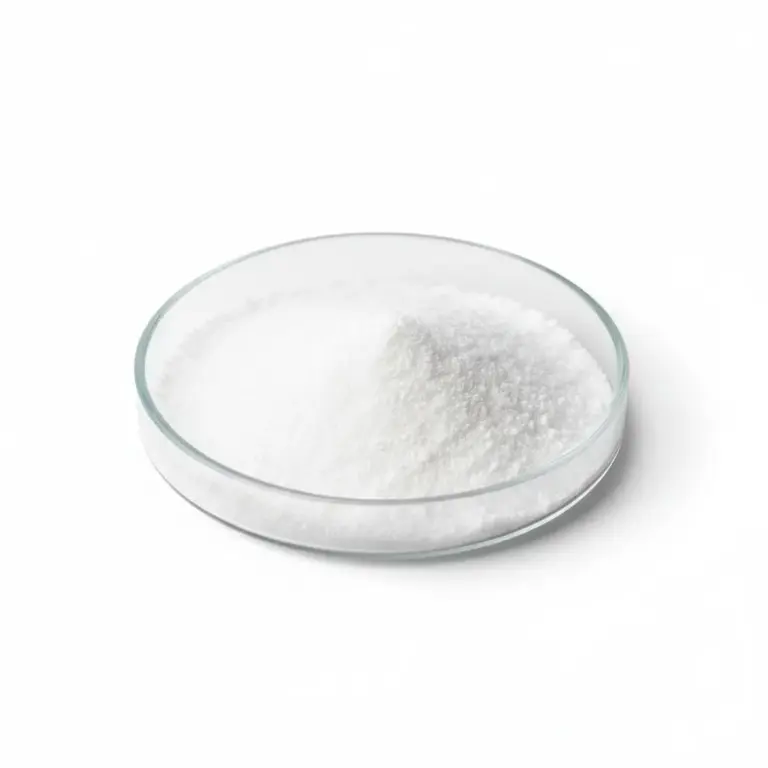

Screens, sunlight, and simply getting older all take a toll on the eyes, and one plant pigment has become the go-to ingredient for supporting them against that daily wear. Lutein powder has moved from a niche eye-health additive to a mainstream ingredient in both supplements and skincare.
What Is Lutein Powder?
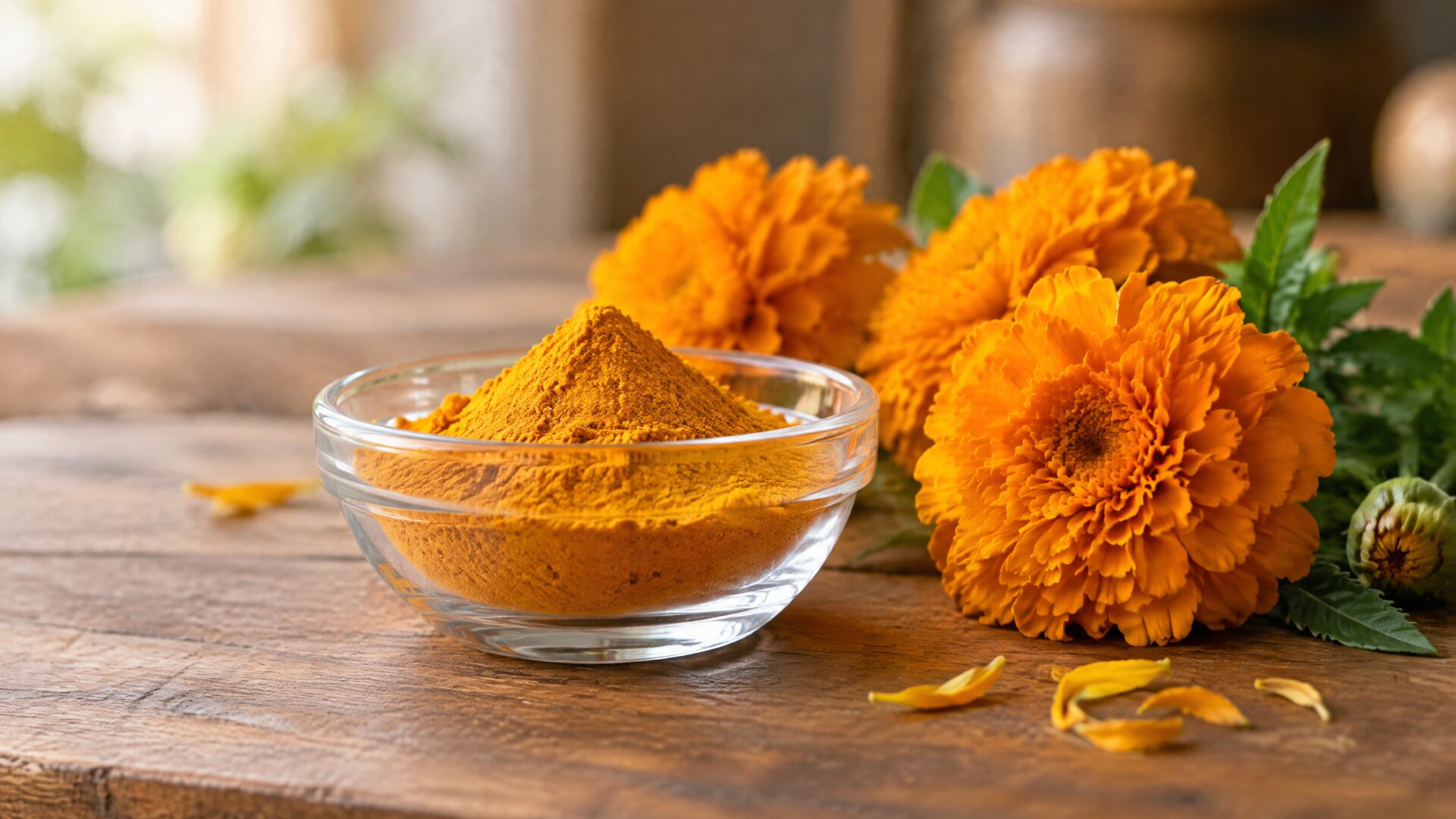
Lutein is a carotenoid, part of the same pigment family as beta-carotene, responsible for the yellow-orange color in foods like marigold flowers, corn, and leafy greens. Commercially, lutein powder is most often extracted and standardized from marigold (Tagetes erecta) petals, then concentrated into a powder form suited to capsules, tablets, and functional food or beverage applications.
Key Health Benefits
Eye Health
Lutein concentrates specifically in the macula, the part of the retina responsible for central and detailed vision, where it functions as a natural filter for high-energy blue light. Regular lutein intake is studied for its role in supporting long-term eye health and potentially reducing the risk of age-related macular degeneration and cataracts.
Skin Protection
Lutein’s antioxidant properties extend to skin health, where it helps combat UV-related oxidative stress and is studied for supporting skin hydration and elasticity, making it an active of interest in both oral beauty-from-within supplements and topical formulations.
General Antioxidant Support
Beyond its eye- and skin-specific roles, lutein contributes broader antioxidant activity, helping neutralize free radicals associated with oxidative stress and supporting general wellness positioning.
Common Forms Used in Formulation
- Marigold-derived lutein powder, standardized for lutein content, used in capsules and tablets
- Lutein esters, a more stable, less water-soluble form requiring conversion in the body, common in some supplement formats
- Free lutein, a more bioavailable but less stable form used in certain premium formulations
- An active in topical skincare products targeting antioxidant protection
Sourcing and Quality Considerations for Manufacturers
Buyers should request a certificate of analysis confirming lutein content standardization (commonly expressed as a percentage of total carotenoids), along with documentation of whether the product is a lutein ester or free lutein form, since these differ in bioavailability and stability. Extraction method, marigold sourcing region, and heavy metal testing are also relevant due-diligence points, particularly for supplement applications where potency claims are closely scrutinized.
Safety and Side Effects
Lutein is well tolerated at typical supplemental doses and has a long history of safe use in eye-health formulations. Very high intakes over extended periods have occasionally been associated with a harmless yellowish skin tint (similar to the effect seen with excess beta-carotene), which resolves once intake is reduced. It carries no major allergen concerns for most people.
Frequently Asked Questions
What does lutein do for the eyes?
Lutein concentrates in the macula, where it filters high-energy blue light and provides antioxidant protection, supporting long-term eye health and potentially reducing the risk of age-related macular degeneration.
Is lutein good for skin?
Yes, lutein’s antioxidant properties help combat UV-related oxidative stress and are studied for supporting skin hydration and elasticity, making it an ingredient of interest in both oral and topical skincare formulations.
What is the difference between lutein esters and free lutein?
Lutein esters are a more stable, naturally occurring form that the body must convert before absorption, while free lutein is more readily bioavailable but generally less stable in storage; the choice depends on the specific formulation’s needs.
Where does commercial lutein powder come from?
Most commercial lutein is extracted from marigold (Tagetes erecta) petals, which are grown specifically for their high lutein content, then processed and standardized into powder form.
Sourcing lutein powder for your formulation?
FC Materials supplies standardized marigold-derived lutein powder for supplement and skincare manufacturing. Tell us your product needs and our team will respond with specs, pricing, and MOQ.