
Kojic acid was one of the original skin-brightening actives long before alpha arbutin and niacinamide became mainstream, and it remains a benchmark ingredient formulators compare newer actives against – effective, but with a well-known irritation trade-off that makes sourcing and formulation technique genuinely important.
What Is Kojic Acid?
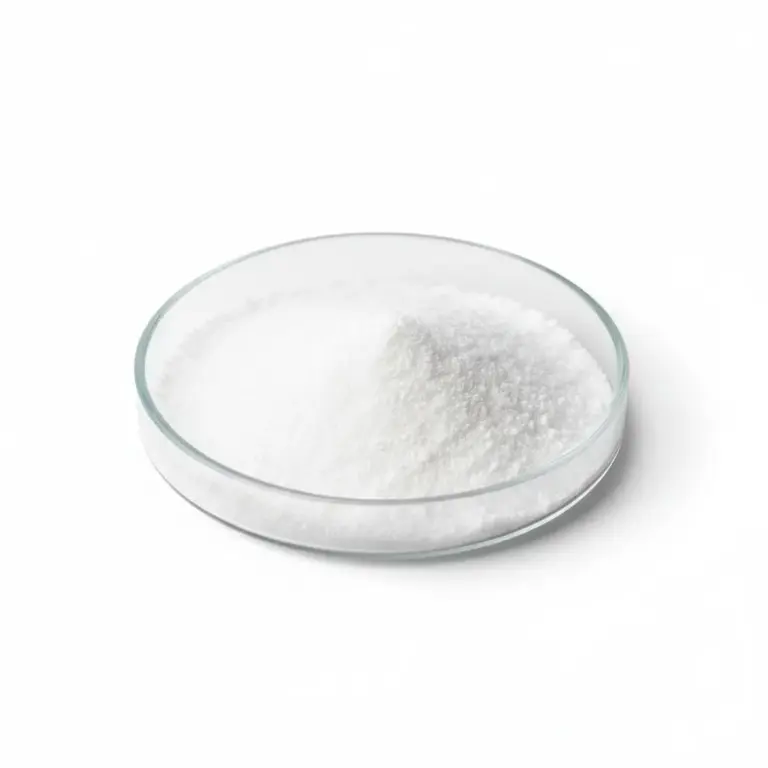
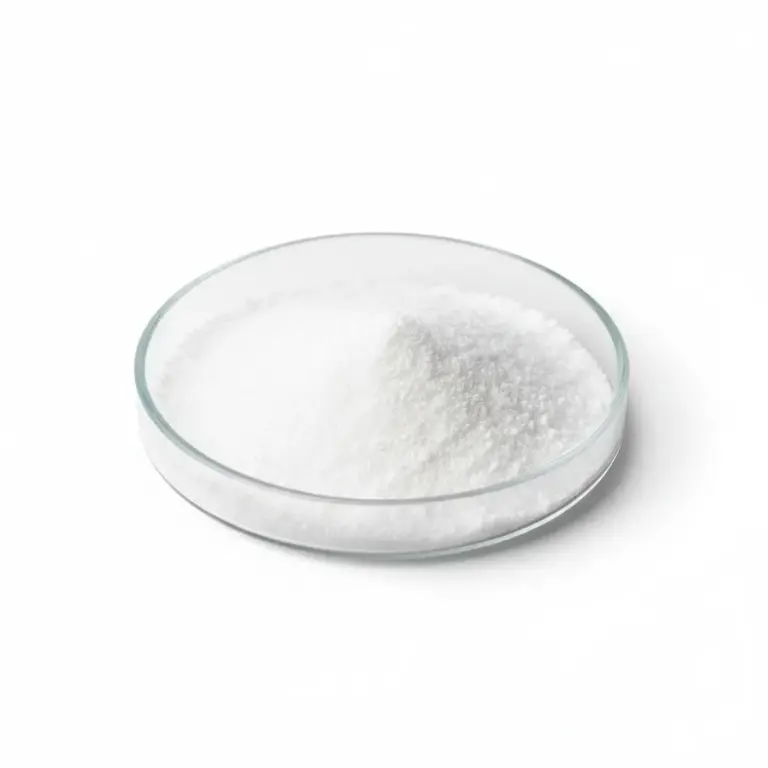
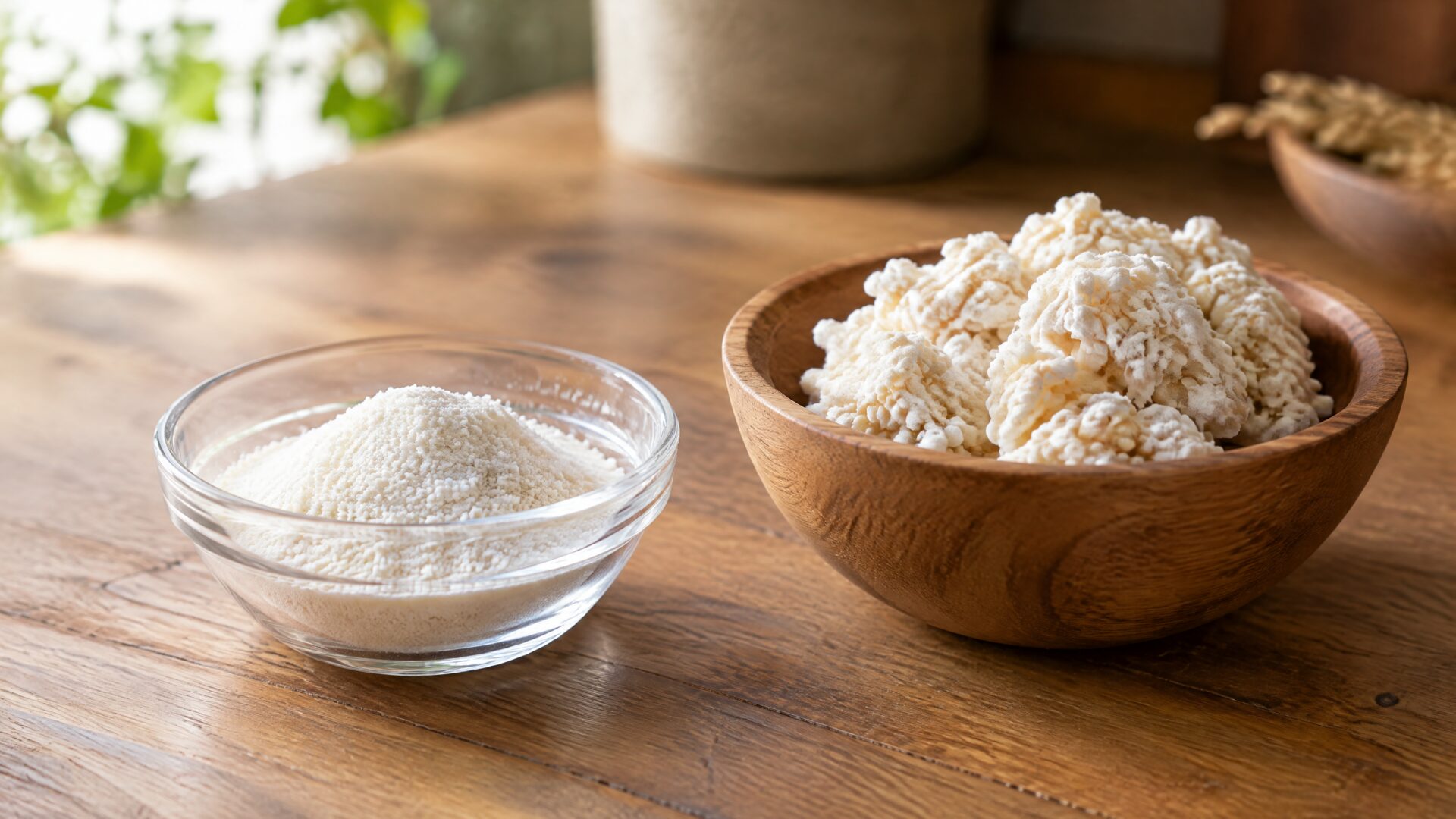
Kojic acid is a naturally-derived compound produced during the fermentation of certain fungi, most commonly Aspergillus oryzae (the mold used to ferment rice for sake production in Japan). It’s one of the longest-established skin-brightening actives in cosmetic chemistry, valued for its ability to fade dark spots and even skin tone. As an ingredient it’s supplied as a fine crystalline powder or as kojic acid dipalmitate, a more stable ester derivative used to improve formulation shelf life.
Key Benefits
Skin Brightening and Dark Spot Fading
Kojic acid’s primary and best-documented benefit is inhibiting tyrosinase, the enzyme responsible for melanin production, which helps fade dark spots, sun damage, and hyperpigmentation over time.
Even Skin Tone
Beyond targeting individual spots, regular use of kojic acid helps even out overall skin tone and reduce dullness, which is why it remains a staple in brightening serums, creams, and soaps.
Mild Antioxidant Activity
Kojic acid also has some antioxidant properties, adding a secondary benefit to its primary brightening function.
Well-Established Efficacy
As one of the most-studied brightening actives, kojic acid has decades of formulation history and clinical data behind it, giving manufacturers confidence in its performance compared with newer, less-studied actives.
Common Forms Used in Formulation
- Kojic acid (powder) – the standard active, used in serums, creams, and soaps, typically at 1–4%.
- Kojic acid dipalmitate – a more oil-soluble, stable ester form with a lower irritation profile, preferred in many modern formulations.
- Kojic acid soap – a popular consumer format, especially in Southeast Asian and African markets.
Sourcing and Quality Considerations for Manufacturers
Purity and form are the key sourcing decisions: kojic acid itself is more prone to instability and skin irritation, while kojic acid dipalmitate offers better stability and is gentler, so buyers should specify which their formulation requires. A certificate of analysis should confirm assay purity (typically ≥99%), heavy metal testing, and microbiological limits. Because kojic acid can degrade or discolour under heat, light, and certain pH conditions, buyers should request stability data relevant to their finished product and packaging. Regulatory status varies by market – some regions restrict kojic acid concentration in leave-on products, so compliance documentation matters for export-ready formulations.
Safety and Side Effects
Kojic acid is effective but carries a higher irritation potential than some newer brightening actives, particularly at higher concentrations or with prolonged use – contact dermatitis and redness are the most commonly reported issues. Patch testing before full use is strongly advised, and daily broad-spectrum sunscreen is essential, since brightening actives can increase photosensitivity. Kojic acid dipalmitate is generally better tolerated than the free acid form.
Frequently Asked Questions
What does kojic acid do for skin?
Kojic acid inhibits melanin production, helping fade dark spots, sun damage, and hyperpigmentation while evening out overall skin tone.
Is kojic acid safe to use?
Yes, but it carries a higher irritation risk than some newer actives, particularly at higher concentrations. Patch testing and daily sunscreen use are recommended.
What is the difference between kojic acid and kojic acid dipalmitate?
Kojic acid dipalmitate is a more stable, oil-soluble ester form of kojic acid that is generally gentler and better tolerated, making it a common choice for sensitive-skin formulations.
Can kojic acid be used with other brightening ingredients?
Yes, kojic acid is often combined with ingredients like alpha arbutin, niacinamide, or vitamin C in multi-active brightening formulations, though buyers should check for formulation stability.
Sourcing kojic acid for your formulation?
FC Materials supplies kojic acid and kojic acid dipalmitate for skincare and soap manufacturers. Tell us your product needs and our team will respond with specs, pricing, and MOQ.