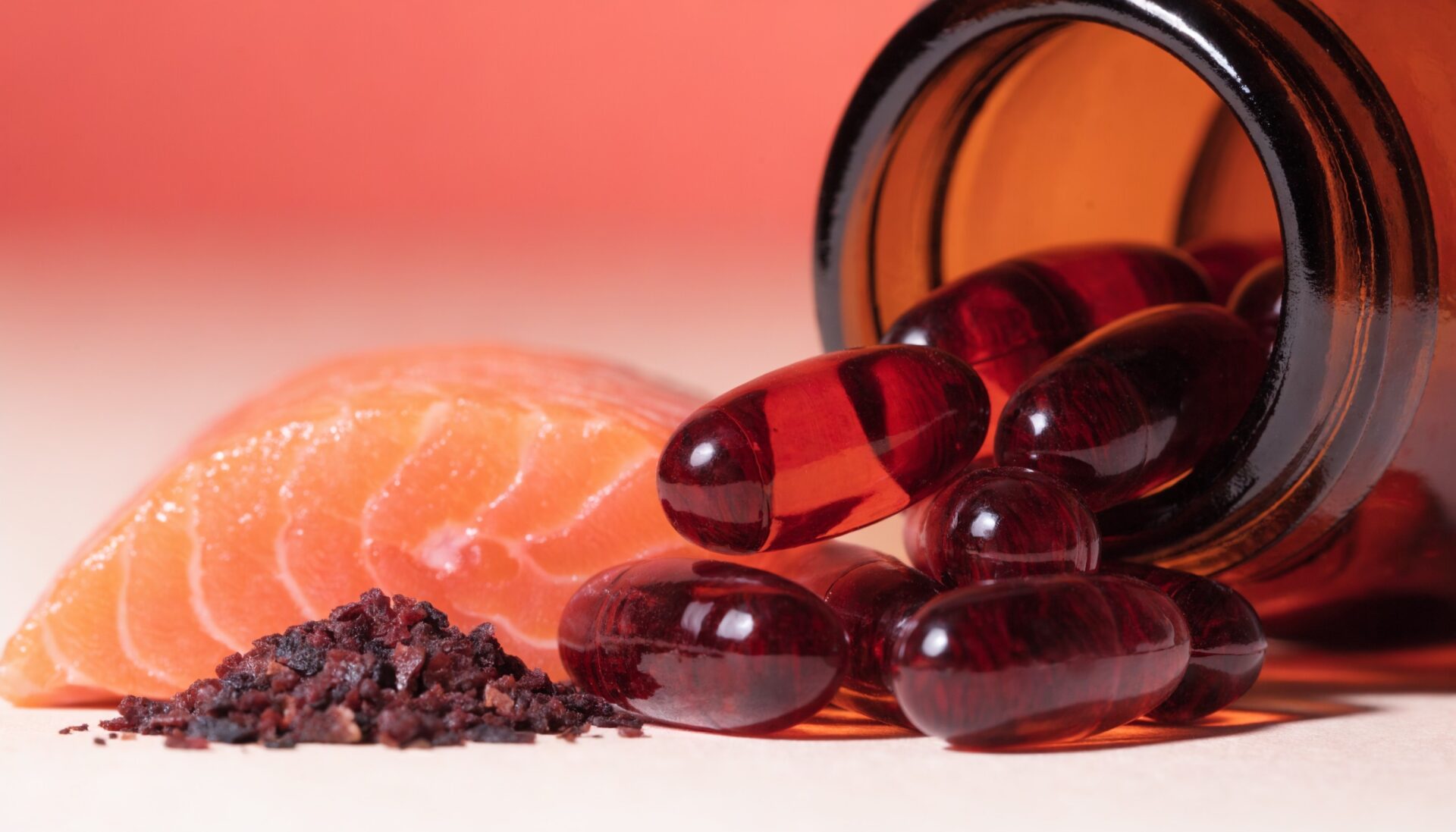

Astaxanthin is the pigment responsible for the vivid red-orange color of wild salmon, shrimp, and flamingos, and it’s also one of the most potent antioxidants identified in nature. Produced naturally by the microalgae Haematococcus pluvialis, astaxanthin has moved from a niche aquaculture feed additive to one of the fastest-growing ingredients in the antioxidant supplement category, with search interest around “astaxanthin benefits” more than doubling over the past year.
What Is Astaxanthin?
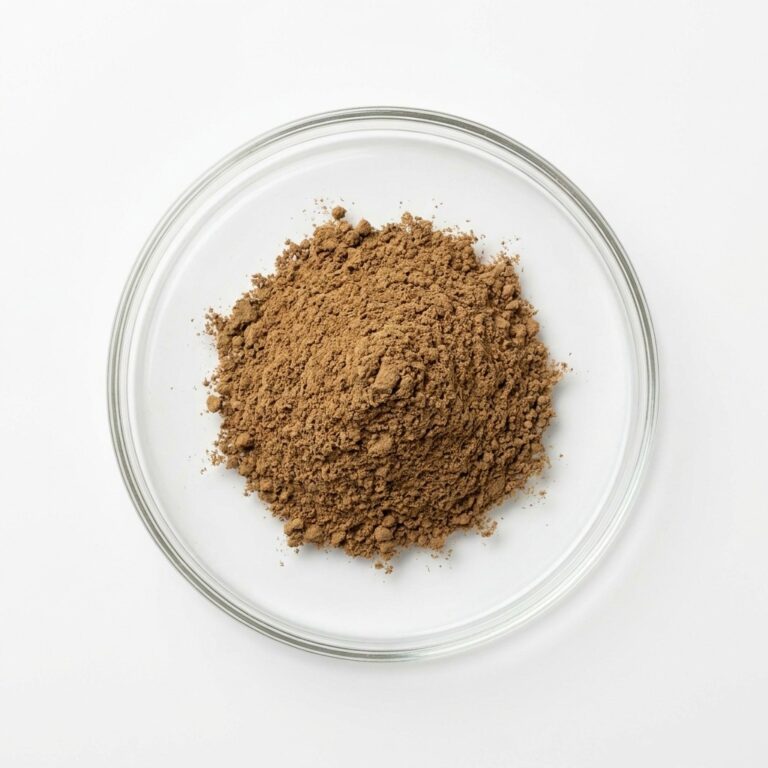
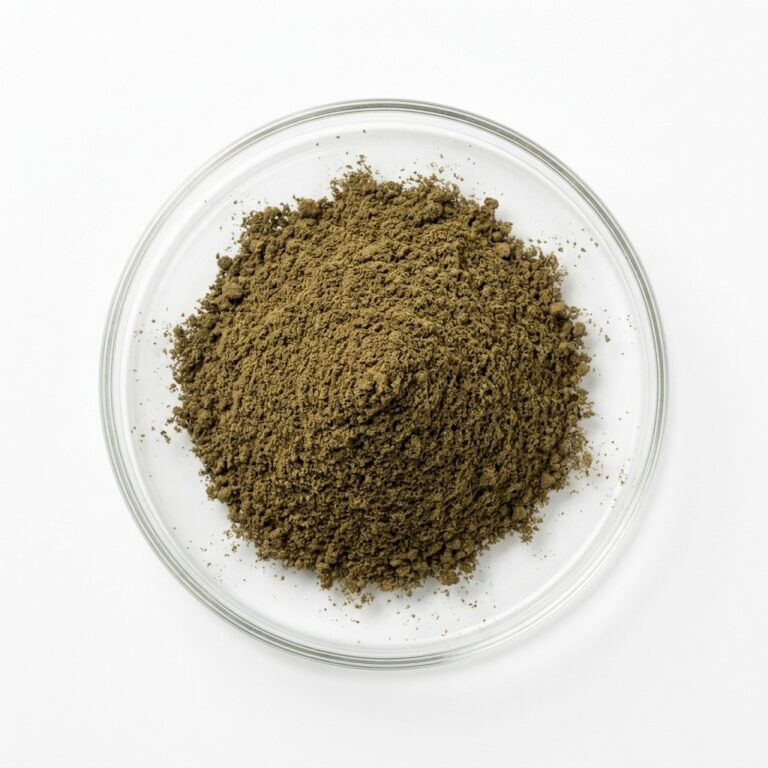
Astaxanthin belongs to the carotenoid family, the same broad class of pigments that includes beta-carotene and lutein. Unlike many carotenoids, astaxanthin cannot be converted into vitamin A in the body, which allows it to be used at higher doses without the toxicity concerns associated with some other carotenoids. Some research describes astaxanthin’s singlet-oxygen-quenching antioxidant capacity as several hundred times stronger than CoQ10 and thousands of times stronger than vitamin C, though these lab-based comparisons don’t necessarily translate one-to-one into equivalent clinical benefit. In whole-food form, astaxanthin is found in wild salmon, trout, krill, shrimp, and crayfish, with the vast majority of commercial supply grown as cultivated Haematococcus pluvialis rather than extracted from seafood. Commercially, astaxanthin is most often produced from cultivated Haematococcus pluvialis microalgae and supplied to manufacturers as an oil-based softgel-ready extract or as a standardized powder for capsules and functional foods.
Key Health Benefits of Astaxanthin
Skin Health
Astaxanthin benefits for skin are among the most searched and best-supported applications of this ingredient. It’s studied for its potential to help protect skin from UV-related oxidative stress and to support skin elasticity and moisture, making it a common ingredient in beauty-from-within capsules and skin-focused supplement blends.
Antioxidant and Anti-Inflammatory Activity
Astaxanthin is frequently cited as one of the most powerful antioxidants available, with a molecular structure that allows it to span cell membranes and neutralize free radicals more effectively than many other carotenoids, including beta-carotene.
Eye Health
Because astaxanthin can cross the blood-retinal barrier, it has been studied for its role in supporting eye health and reducing visual fatigue, particularly for consumers with high screen-time exposure.
Exercise Recovery and Endurance
Athletes and active consumers are a growing market for astaxanthin, which is positioned in sports nutrition formulations for its potential role in reducing exercise-induced oxidative stress and supporting recovery.
Astaxanthin Benefits for Men and Women
Search interest in astaxanthin benefits splits fairly evenly between men’s and women’s health framing. For women, astaxanthin is most often positioned around skin health and beauty-from-within claims. For men, it’s more frequently formulated into sports performance, recovery, and general antioxidant support products. Both audiences frequently search for safety information alongside benefits, which is worth accounting for in supporting product content.
Common Forms Used in Formulation
- Oleoresin extract, an oil-based concentrated form used in softgel capsules, the most common commercial format.
- Microencapsulated powder, used where a dry, more stable format is needed for tablets, gummies, or powdered blends.
- Natural vs. synthetic: natural astaxanthin (from Haematococcus pluvialis) is the preferred and more marketable source for supplement applications, distinct from the synthetic astaxanthin used in aquaculture feed.
Sourcing and Quality Considerations for Manufacturers
Not all astaxanthin is equal from a formulation standpoint. Extraction method (CO2 vs. solvent-based), the astaxanthin ester profile, and whether the source strain is grown in closed photobioreactors or open ponds all affect potency, stability, and shelf life. Manufacturers positioning a premium antioxidant product typically request documentation on natural-vs-synthetic origin, astaxanthin concentration by weight, and third-party purity testing, since these are increasingly common due-diligence questions from brand buyers.
Safety, Side Effects and Considerations
Astaxanthin has a strong safety profile at typical supplemental doses (commonly in the 4mg-12mg per day range), with the most commonly searched safety questions relating to higher doses (12mg-24mg or more), kidney and liver considerations, and potential hormone-related effects. Because astaxanthin’s natural pigment can, in rare cases and generally only at high doses, cause a slight orange tinge to the skin, this is worth noting transparently in product documentation. As with any concentrated antioxidant, products should carry standard guidance to consult a healthcare provider for use alongside medication or during pregnancy.
Frequently Asked Questions
What’s the difference between astaxanthin and other antioxidants like vitamin C?
Astaxanthin’s unique molecular structure allows it to sit within cell membranes and neutralize free radicals across both the inner and outer membrane layers, which is different from water-soluble antioxidants like vitamin C. This is part of why it’s often marketed as a more potent, longer-lasting antioxidant.
Is natural astaxanthin better than synthetic?
Natural astaxanthin, derived from Haematococcus pluvialis microalgae, is generally preferred for human supplementation and carries different regulatory status than the synthetic astaxanthin used in animal feed.
How is astaxanthin typically dosed in finished products?
Most commercial supplements use between 4mg and 12mg of natural astaxanthin per serving, though exact levels depend on the extract’s concentration and the product’s positioning.
Sourcing natural astaxanthin for your formulation?
FC Materials supplies natural astaxanthin and other antioxidant, beauty-from-within botanical ingredients, including GLISERA EGT® ergothioneine, to supplement and nutraceutical manufacturers. Tell us your product needs and our team will respond with specs, pricing, and MOQ.
What should I not combine with astaxanthin?
Because astaxanthin may have a mild blood-thinning effect by supporting circulation, it should be used cautiously alongside anticoagulant medications like warfarin, and anyone on such medication should consult a healthcare provider before supplementing.