
Introduction
Chocolate flavour shows up everywhere in Malaysian products, from ready-to-drink cocoa milk to protein shakes and brownies on supermarket shelves. Behind each of those products stands at least one chocolate powder supplier Malaysia manufacturers count on every day. As demand grows across food, beverage, nutraceutical, and personal care lines, buyers feel more pressure to secure stable, safe, and consistent cocoa ingredients. The right supplier supports that growth, while the wrong one can hold a brand back.
Sourcing food grade chocolate powder Malaysia wide, however, is not as simple as comparing price lists. Manufacturers need cocoa powders that meet strict food safety rules, work reliably in specific recipes, and align with Halal expectations at home and across Southeast Asia. At the same time, no team wants to deal with late deliveries, shifting specifications, or gaps in documentation when audits arrive.
This is where FC Materials Sdn Bhd comes in. As a specialist food ingredient supplier based in Malaysia, FC Materials provides Halal-certified cocoa powder and other performance-focused ingredients backed by strong quality management and regulatory support. In this guide, we walk through what food grade chocolate powder really means, how different cocoa powder types affect your final product, where manufacturers use them across industries, how to pick the right chocolate powder supplier Malaysia offers for your needs, and why FC Materials is ready to partner with both growing brands and established producers.
“Quality is never an accident; it is always the result of intelligent effort.” — John Ruskin
That idea sums up cocoa sourcing well: good chocolate flavour starts with carefully chosen ingredients and reliable partners.
Key Takeaways
Short on time? These points are easy to scan.
- Malaysia is a strong cocoa hub. Food grade chocolate powder is produced at scale, and picking the right partner protects product quality.
- Cocoa powders are not all the same. Natural and Dutch-processed behave differently in recipes, and fat level shifts taste, colour, and texture.
- Halal approval is a core requirement. Certification supports local shelves and exports, and audits run smoother when paperwork is clear.
- The right chocolate powder supplier Malaysia manufacturers choose offers real support. Quality checks and traceable sourcing matter. FC Materials Sdn Bhd brings R&D help and regulatory insight.
What Is Food Grade Chocolate Powder And Why Does It Matter?
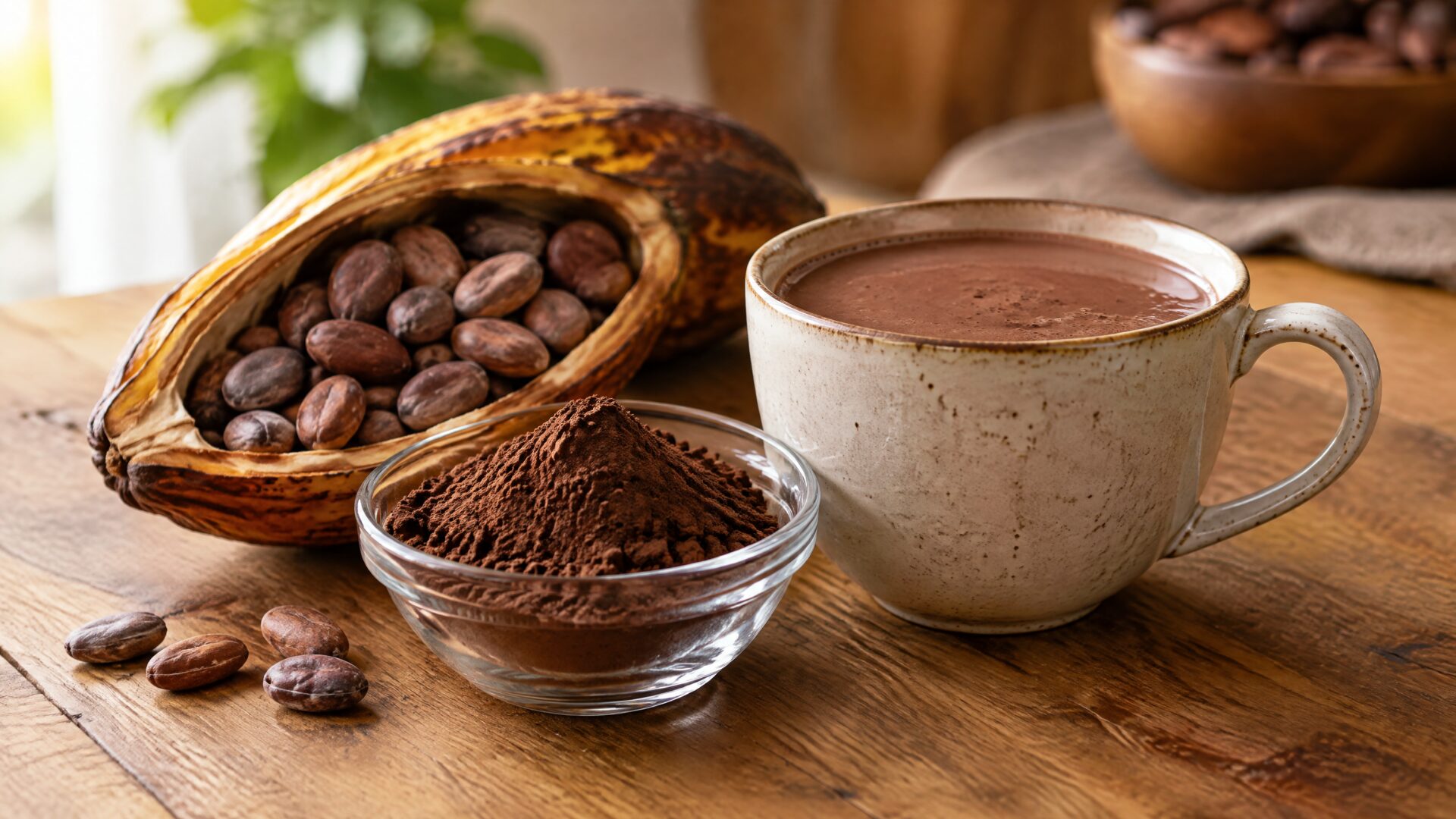
When people talk about food grade chocolate powder, they mean cocoa powder that is safe and suitable for industrial food and beverage use. It has to comply with systems such as HACCP, GMP, and ISO and come with proper documentation for Malaysian authorities. Compared with consumer packs, commercial chocolate powder Malaysia buyers select often has:
- tighter microbiological limits
- defined limits for heavy metals and contaminants
- clear specifications for pH, colour, and fat level
- lot-level traceability and Certificates of Analysis
As many food safety auditors like to say, “If it isn’t documented, it didn’t happen.”
Most manufacturers work with two main families of cocoa powder:
Natural cocoa powder
Natural cocoa keeps the bean’s original acidity, usually with a pH around five to six. This gives:- a lighter brown colour
- a sharper, sometimes fruity flavour
- good reactivity with bicarbonate of soda
It reacts well with bicarbonate of soda in cakes and biscuits, helping batters rise in many baking chocolate powder Malaysia recipes. If you want a classic chocolate sponge with a light crumb, natural cocoa is often the starting point.
Dutch-processed (alkalised) cocoa powder
In this group, the cocoa is treated to raise the pH, which:- softens acidity
- deepens colour (from red-brown to very dark)
- often improves how easily the powder disperses
Dutch-processed cocoa powder Malaysia producers offer is popular in instant drinks, chocolate milk, and dark biscuits, where a rich colour and smooth taste matter more than a strong acidic kick.
Fat level is another key variable:
Low fat powders (around 10–12% cocoa butter) suit:
- dry mixes and bakery premixes
- cereals and breakfast products
- applications where cost and dispersibility come first
High fat cocoa powder (closer to 20–24% cocoa butter) gives:
- fuller mouthfeel in ice cream and ganache
- richer taste in premium drinks and dessert toppings
- better lubrication in certain confectionery fillings
Whatever the choice, food grade chocolate powder Malaysia factories use must also meet Halal rules and match the same specification batch after batch, so production lines do not need constant adjustment.
Closely related cocoa ingredients are cocoa mass and cocoa butter:
- Cocoa mass combines cocoa solids and fat and is often used in chocolate bars, coatings, and fillings.
- Cocoa butter delivers gloss and spread in confectionery, nutrition, and personal care formulas thanks to its sharp melting profile.
Together with cocoa powder, these ingredients give product developers a flexible toolbox for building chocolate flavour, colour, and texture across many categories.
Key Applications Of Chocolate Powder Across Industries In Malaysia
Once the right cocoa grade is chosen, chocolate powder can support a wide range of finished products across Malaysia. From large biscuit plants to nutraceutical blenders and cosmetic labs, each sector needs slightly different performance from the same simple brown powder.
Below are some of the main uses.
Bakery And Confectionery
In bakery and confectionery work, cocoa powder contributes to both colour and structure. Natural cocoa reacts with bicarbonate of soda in cakes and muffins so batters rise properly and develop a soft crumb. Heavily alkalised powders give dark, almost black biscuits and cookie crumbs, and they also coat truffles, nuts, and chocolate decorations. Consistent particle size helps prevent specking in fine batters and smooth coatings.Drinks And Ready-To-Drink Beverages
Drinks are another major user of chocolate powder for food industry production. Dutch-processed powders with good solubility disperse quickly in water or milk for:- instant cocoa
- ready-to-drink chocolate beverages
- bubble tea flavourings
- vending machine mixes and café-style chocolate drinks
This is highly relevant as milk tea, flavoured coffee, and chocolate beverages continue to grow across Malaysia. Powders that suspend well in cold milk are especially valuable for ready-to-drink lines.
Dairy And Frozen Desserts
Dairy manufacturers rely on high fat cocoa powder for:- ice cream and frozen novelties
- chocolate yoghurt
- dairy desserts and puddings
Extra cocoa butter in the powder gives a smoother mouthfeel and richer taste, which consumers expect from premium products. It also helps stabilise colour so the product looks appealing throughout its shelf life, even after freeze-thaw cycles.
Nutraceuticals And Health Supplements
Nutraceutical and health supplement companies often choose low fat alkalised cocoa powder for shakes, protein blends, and functional bars. It brings pleasant chocolate flavour without adding too much extra fat and can cover stronger notes from vitamins, minerals, or plant extracts. Clean label cocoa that is free from gluten and genetically modified material supports health-focused brands in Malaysia that want short, simple ingredient lists.Personal Care And Pharmaceutical Uses
Beyond food, cocoa ingredients appear in many personal care and pharmaceutical products. Cocoa butter is used in:- lip balms
- lotions and creams
- massage bars and soaps
because it melts near body temperature and leaves skin feeling soft. In drug manufacturing, deodorised cocoa butter helps form suppositories and topical products with a reliable melt profile, which pharmacists and clinicians depend on.
For all these applications, consistency matters, especially when a company exports goods. FC Materials Sdn Bhd is a chocolate powder supplier Malaysia manufacturers trust, supplying Halal-certified cocoa powder grades suited to bakery, dairy, beverage, nutritional, and personal care lines so they can match flavour, colour, and performance across every batch.
What To Look For In A Chocolate Powder Supplier In Malaysia
With so many cocoa sources on offer, choosing a chocolate powder supplier in Malaysia is a strategic decision. The partner you pick affects finished product safety, label claims, and how smoothly your production lines and audits run over the long term.
Key points to check include:
Halal Certification And Compliance
Halal certification comes first in Malaysia and across many export markets. A genuine Halal chocolate ingredient supplier Malaysia buyers can trust will:- hold current certificates from recognised authorities
- align manufacturing practices with Halal expectations
- provide clear documentation for auditors
This removes a major barrier when selling into Muslim-majority regions and supports consumer trust.
Quality Control And Traceability
Quality control and traceability protect brands during recalls and audits. Look for suppliers that:- test every batch for microbiology, heavy metals, and key chemical markers
- maintain retention samples and detailed batch records
- can show where their cocoa beans and powders came from
This level of transparency helps your technical team respond quickly to any query or customer complaint.
Range Of Cocoa Specifications
A strong chocolate powder supplier Malaysia manufacturers rely on will offer several pH and fat options. This makes it easier to match cocoa grade to each recipe, from brownies and biscuits to instant drinks and nutrition bars. It also helps when you need to reformulate for cost, sensory targets, or labelling reasons without changing flavour too sharply.Regulatory And Product Development Support
Regulatory and product development support matter most for startups and small teams. A food ingredient supplier Malaysia innovators work with should:- share guidance on NPRA and Ministry of Health expectations
- provide product data sheets, allergen statements, and labels that match local wording rules
- offer basic R&D input to shorten project timelines and reduce rework
“If you plan from the start for both flavour and compliance, you only have to launch once,” as many regulatory consultants like to remind brands.
Supply Chain Strength And Logistics
Supply chain strength decides how smoothly your plant runs, especially when you buy wholesale chocolate powder Malaysia wide. The right bulk chocolate powder supplier can:- ship on time and in suitable packaging
- keep specifications steady even when raw bean prices move
- support both pilot runs and long-running contracts
Buyers should also confirm that the partner can maintain safety stock or flexible lead times when promotions or new listings increase demand.
FC Materials Sdn Bhd meets these expectations as a practical, problem-solving chocolate powder distributor in Malaysia. With Halal approval, documented quality checks, a wide cocoa portfolio, and experience serving large manufacturers, the company focuses on long-term partnerships rather than one-off orders.
Why FC Materials Sdn Bhd Is A Trusted Chocolate Powder Supplier In Malaysia
FC Materials Sdn Bhd positions itself as a reliable chocolate powder supplier Malaysia manufacturers can work with over many product cycles. Rather than simply shipping cartons, the company takes time to understand each client’s category, process, and label needs before recommending cocoa grades. This consultative style helps development and procurement teams move faster with fewer reformulations.
Halal assurance sits at the centre of FC Materials operations. The cocoa powder supplied is Halal certified to meet Malaysian requirements and the expectations of export markets in Southeast Asia. For brands that market to Muslim consumers, working with a Halal chocolate powder Malaysia based specialist removes guesswork and supports smoother approval from auditors and internal quality teams.
Beyond certification, FC Materials selects cocoa powders and blends that perform in real manufacturing environments. The portfolio covers options for:
- bakery and confectionery
- dairy and frozen desserts
- beverages and ready-to-drink products
- nutritional and functional products
so formulators can match colour, taste, and viscosity without starting from zero. This depth also helps when a client needs to adjust sugar, fat, or protein content while keeping a familiar flavour profile.
Manufacturers who work with FC Materials gain more than a certificate file. The team can:
- support R&D trials and pilot runs
- advise on cocoa choice based on processing methods such as extrusion, UHT treatment, or spray drying
- share input on packaging formats that protect powder quality in transport and storage
For health and supplement brands, FC Materials also assists with NPRA and Ministry of Health documentation so files are ready when product registration is required.
Behind the scenes, FC Materials maintains a network of approved cocoa processors and mills. Each batch of cocoa powder arrives with supporting test reports and origin details so manufacturers can trace material back through the supply chain if needed. This approach lowers risk during audits and builds confidence for buyers responsible for food safety.
Based in Penang, FC Materials serves Malaysia-focused factories and export-oriented plants. Startups ordering a few pallets of cocoa powder wholesale Malaysia wide receive the same practical attention as multinationals running several lines. This mix of technical understanding, logistics planning, and day-to-day support keeps manufacturers returning for new projects and line extensions.
Conclusion
Selecting chocolate ingredients is about far more than choosing a pleasant flavour. Product type, pH, fat level, and cocoa origin shape how well a powder behaves in cakes, drinks, ice creams, nutrition blends, or even skin care items. On top of that, Halal status, food safety systems, and documentation all have to stand up to checks from internal teams, regulators, and customers.
For buyers and product developers, the right chocolate powder supplier Malaysia offers becomes a genuine partner. A good supplier brings safe, consistent, and well-documented cocoa powders, reliable deliveries, and clear technical support so teams can focus on building strong brands instead of constantly firefighting ingredient issues.
FC Materials Sdn Bhd brings together Halal certified cocoa powder, firm quality checks, regulatory know-how, and practical R&D support for manufacturers across food, beverage, health, and personal care sectors. Whether the brief covers baking chocolate powder, instant drinks, or functional blends, the team can suggest suitable cocoa grades and align them with your processes. To discuss chocolate powder or wider ingredient needs, contact FC Materials for a straightforward, technical conversation.
FAQs
What Is The Difference Between Natural Cocoa Powder And Dutch-Processed Cocoa Powder?
Natural cocoa powder keeps its original acidity, which gives a lighter colour and a sharper, slightly fruity taste. It works well in baking recipes that use bicarbonate of soda because the acid helps cakes and biscuits rise.
Dutch-processed cocoa is treated to reduce that acidity, so it tastes milder, looks darker, and usually disperses more easily in drinks and syrups. It is often preferred for instant cocoa, chocolate drinks, and dark biscuits where a deep colour and smooth flavour are more important than a tangy note.
Is The Cocoa Powder Supplied By FC Materials Sdn Bhd Halal Certified?
Yes. FC Materials Sdn Bhd supplies cocoa powder that carries recognised Halal certification suitable for the Malaysian market and for export. Halal status is checked as part of supplier approval and ongoing quality review, so manufacturers can use the powders with confidence in Muslim-majority markets and during internal audits.
Can FC Materials Sdn Bhd Supply Chocolate Powder For Small Businesses And Startups?
Yes, FC Materials works with businesses of many sizes, including new brands and small factories. Smaller companies can discuss:
- minimum order quantities
- sample packs for bench trials
- basic R&D help when they are still shaping recipes
The same team that supports multinational clients also advises startups on labelling, Halal checks, and regulatory steps so they can launch products with fewer surprises.
What Industries Can Use Food Grade Chocolate Powder From FC Materials Sdn Bhd?
Food grade chocolate powder from FC Materials Sdn Bhd fits many sectors. Key users include:
- bakery and confectionery
- dairy, ice cream, and frozen desserts
- ready-to-drink and instant beverages
- nutraceuticals and health supplements
Cocoa ingredients also appear in personal care items such as creams and soaps, and in pharmaceutical applications that rely on cocoa butter for its melting profile and skin-feel.