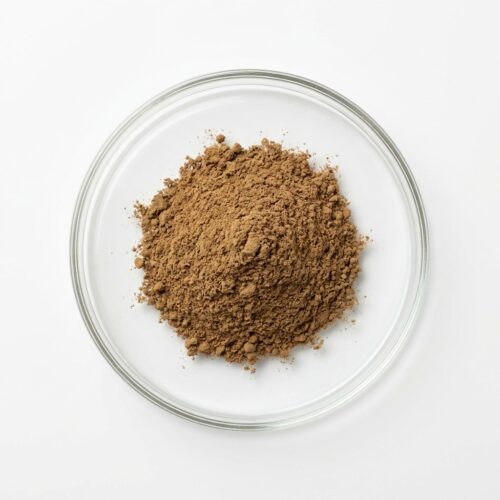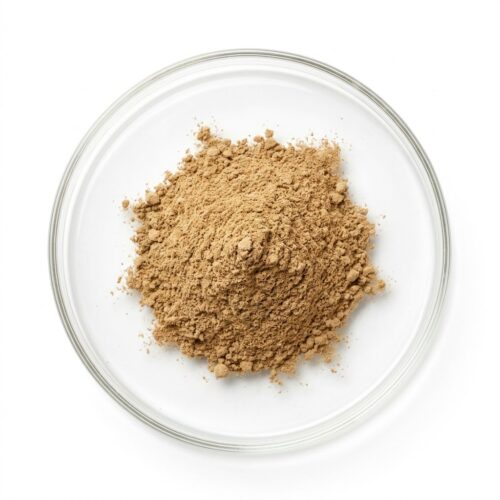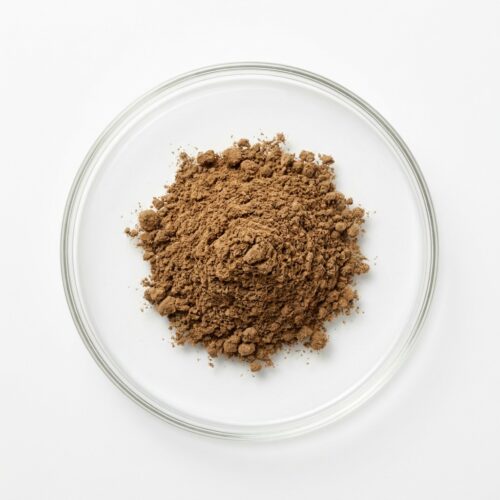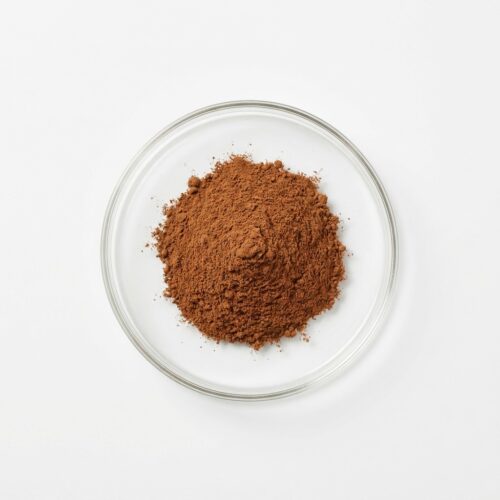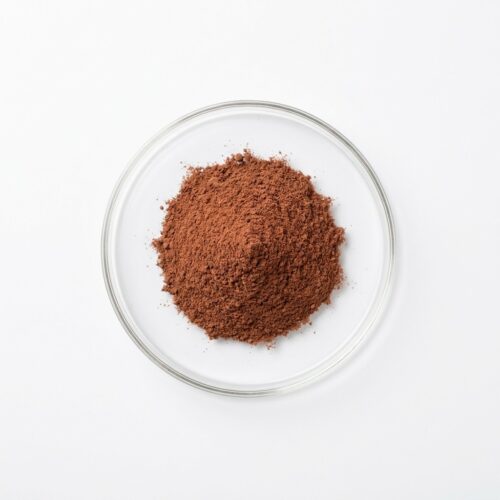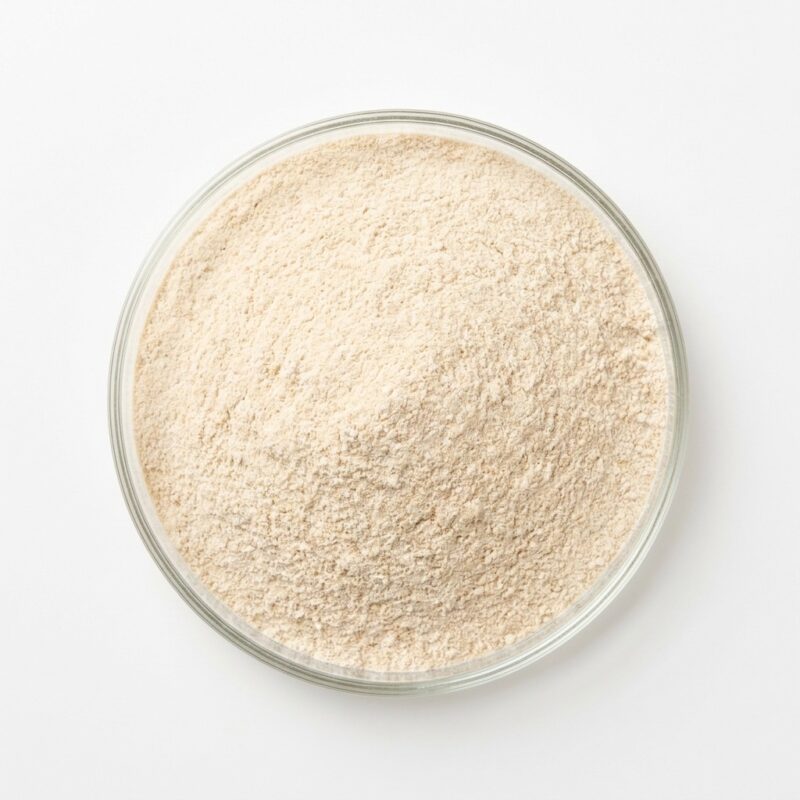
Lion’s Mane Mushroom Extract (10:1) is a concentrated botanical extract derived from Hericium erinaceus, a medicinal mushroom that has rapidly emerged as one of the most sought-after nootropic and neuroprotective ingredients in the global supplement market. At a 10:1 concentration ratio, this Halal-certified extract delivers a potent dose of hericenones and erinacines — unique compounds found only in Lion’s Mane that stimulate the synthesis of Nerve Growth Factor (NGF) in the brain.
Lion’s Mane is the premier ‘smart mushroom’ and has become a flagship ingredient in the brain health, cognitive performance, and mental wellness supplement categories.
Applications:
- Nutraceuticals (brain health capsules, cognitive performance supplements, neuroprotection formulations)
- Nootropics (nootropic stacks, focus and memory blends)
- Functional Foods (smart mushroom coffee blends, health bars, adaptogen powders)
- Mental Wellness (anxiety and depression support formulations)
Key Features & Benefits:
- 10:1 concentrated hericenone and erinacine-rich nootropic extract
- Unique NGF-stimulating compounds found only in Lion’s Mane mushroom
- Premier smart mushroom ingredient with rapidly growing global market demand
- Halal-certified & food-grade quality
- Suitable for capsule, powder, and functional food formulations
Need a Standardised Branded Grade?
FC Materials also distributes NeurOasis® — a branded Lion’s Mane mycelium extract with guaranteed polysaccharide (≥10%) and erinacine A (15–20ppm) levels, full Halal-suitability documentation, and COA from our partner manufacturer. Ideal for brands that need a traceable, clinically-positioned ingredient specification for cognitive health product labelling. Enquire about NeurOasis®.
Fruiting body or mycelium
Lion’s mane (Hericium erinaceus) products are made from the fruiting body, from mycelium, or from both. The two contain different signature compounds: hericenones are associated with the fruiting body and erinacines with the mycelium. Mycelium is often grown on grain and sold with the grain, so the product can contain substantial starch from the substrate. The source must be stated on the specification. For a branded mycelium ingredient, see NeurOasis®.
Polysaccharide versus beta-glucan
Simple polysaccharide tests also count starch and other carbohydrates, so they can make a grain-grown mycelium product look rich in “polysaccharides”. An enzymatic beta-glucan method, with alpha-glucan (starch) reported separately, is the more meaningful comparison. Where erinacine A content matters, it is measured by HPLC.
What to ask for on the certificate of analysis
- Species (Hericium erinaceus), fruiting body or mycelium, and growth substrate
- Beta-glucan by an enzymatic method, with alpha-glucan reported separately
- Erinacine A or hericenone content by HPLC, if claimed
- Extraction method (hot water, ethanol or dual) and extraction ratio
- Heavy metals: lead, arsenic, cadmium and mercury
- Microbiology: total plate count, yeast and mould, E. coli, Salmonella
- Halal certificate, batch number, manufacture and retest dates