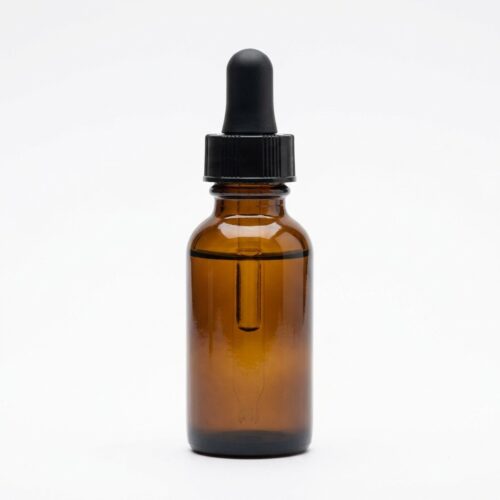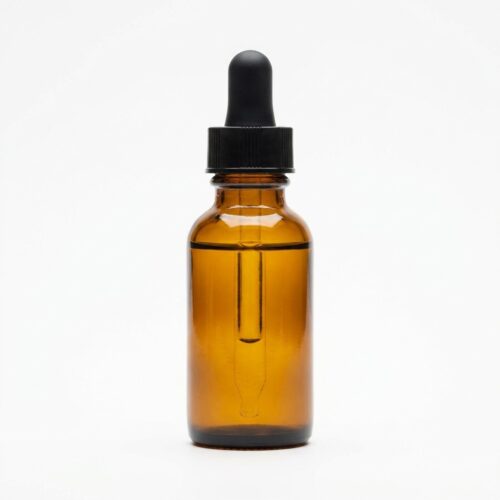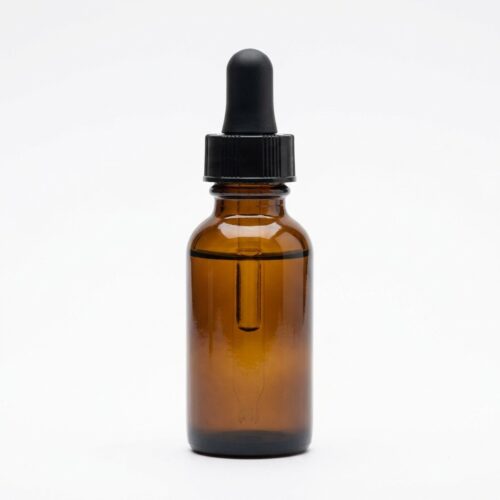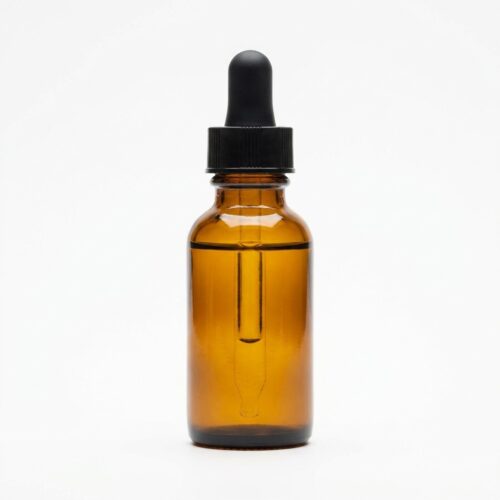
Organic Tea Tree Essential Oil is a certified organic therapeutic-grade oil steam-distilled from the leaves of organically grown Melaleuca alternifolia (tea tree), presenting as colourless to pale yellow. Tea Tree Oil is the world’s most clinically studied natural antimicrobial essential oil — with terpinen-4-ol (minimum 30% in certified grades) delivering broad-spectrum antibacterial, antifungal, antiviral, and antiseptic activity. The organic certification provides additional assurance of pesticide-free cultivation for consumers and manufacturers requiring certified organic labelling.
Tea Tree Oil is a must-have ingredient in the global natural personal care market, particularly dominant in acne treatment, natural deodorants, scalp care, and antimicrobial cleaning product categories.
Applications:
- Skincare (acne treatment, blemish control, antimicrobial facial formulations)
- Haircare (anti-dandruff shampoos, scalp health, lice treatment formulations)
- Natural Cleaning (certified organic antimicrobial surface care and disinfecting products)
- Personal Care (natural deodorants, foot care, nail fungus treatments)
Key Features & Benefits:
- Colourless to pale yellow – certified organic terpinen-4-ol-rich tea tree oil
- No animal substance – suitable for vegan and Halal-compliant formulations
- Most clinically studied natural antimicrobial essential oil globally
- Organic certification for clean-label and certified organic product compliance
- Dominant in natural acne, scalp, deodorant, and cleaning product categories
Buy against ISO 4730, not against a marketing grade
Tea tree is one of the few essential oils with a widely adopted international standard. ISO 4730 sets the compositional envelope, of which two figures do most of the work: terpinen-4-ol at a minimum of 30%, and 1,8-cineole capped at a maximum of 15%. Terpinen-4-ol carries the antimicrobial activity; cineole is the irritant fraction. A cheap tea tree oil is usually cheap because cineole is high and terpinen-4-ol is low, and that lot will both underperform and irritate. Quote the standard on the purchase order and check both numbers on the report.
Oxidation is the formulation risk
Tea tree oxidises readily, and this matters more than with most oils: oxidised tea tree oil is a well-documented contact allergen, while fresh oil is comparatively well tolerated. Degradation products build up with exposure to air, light and warmth, so peroxide value is a meaningful release and stability specification rather than a formality. Store in full, dark, tightly closed containers, keep it cool, and design finished products with opaque packaging and a realistic shelf life instead of an optimistic one.
It is soluble in alcohol and oils and not in water, so leave-on and rinse-off aqueous systems need a solubiliser — undissolved droplets concentrate the active at the skin surface, which is where irritation reports come from.
What to ask for on the certificate of analysis
- GC-MS profile reported against ISO 4730, with terpinen-4-ol and 1,8-cineole stated individually.
- Peroxide value, and ideally the date of distillation — age matters for this oil.
- Optical rotation, refractive index and specific gravity.
- The organic certifying body and certificate number.
- Confirmation the oil is neither adulterated nor rectified.