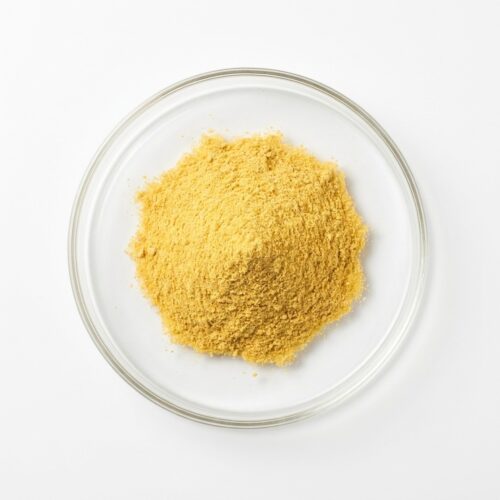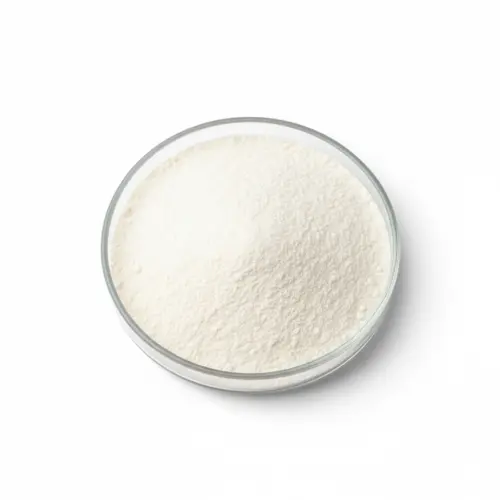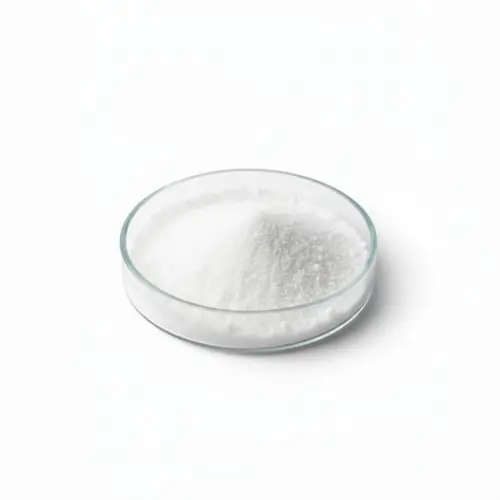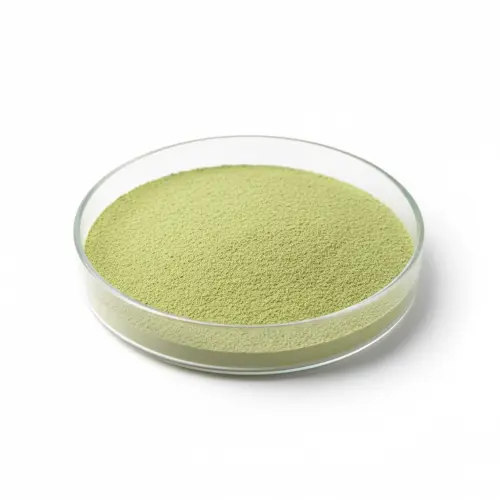
Citrus Fiber is a soluble dietary fiber derived from citrus fruit pulp and peel, rich in pectin, hemicellulose, and cellulose. It functions simultaneously as a prebiotic fiber, natural emulsifier, fat replacer, and texture modifier in food formulations. Its high water-binding capacity and gel-forming properties make it particularly valuable in low-fat, high-fiber, and clean-label functional food applications.
Applications:
- Dietary fiber enrichment in functional food and beverage products
- Natural emulsifier and fat replacer in clean-label formulations
- Prebiotic fiber supplement formulations
- Texture modifier in bakery, dairy, and sauce products
Key Features & Benefits:
- Dual soluble/insoluble fiber — prebiotic and bulking properties
- Natural emulsifier — replaces synthetic emulsifiers in clean-label formulations
- High water-binding capacity for improved texture and mouthfeel
- No animal substance – halal-certified
- Neutral flavour and pale colour — versatile in food applications
Mostly insoluble fibre, activated for function
Citrus fibre is made from the peel and pulp left over from juice and pectin production. Its fibre is largely insoluble (cellulose and hemicellulose) with a portion of naturally present pectin, and its value as a texturiser comes from processing: activation, typically by high-pressure homogenisation or similar treatment, opens the fibre structure so it binds large amounts of water and oil. Because performance depends on that activation, two citrus fibres with similar fibre content can behave very differently; water-binding and oil-binding capacity are the functional specifications to compare. Many grades also need shear in the application to reach full viscosity.
Clean-label use
Citrus fibre is typically labelled simply as citrus fibre rather than with an additive number, which is why it is used to replace or reduce starches, gums and some emulsifiers in bakery, sauces, dressings, meat products and dairy. For other fibre and texture ingredients, see Inulin, Psyllium Husk and Xanthan Gum.
Residues
Citrus peel can carry pesticide residues from the orchard and post-harvest treatments, so a multi-residue pesticide screen is a sensible specification line, especially for export products.
What to ask for on the certificate of analysis
- Total, soluble and insoluble dietary fibre, with the AOAC method
- Water-binding capacity and oil-binding capacity, with test conditions
- Particle size, moisture, pH and colour
- Pesticide residue screen
- Heavy metals: lead, arsenic, cadmium and mercury
- Microbiology: total plate count, yeast and mould, E. coli, Salmonella
- Citrus source, GMO and allergen statements, Halal certificate, batch and retest dates