
Red yeast rice occupies a unique position in the supplement world: it’s a traditional fermented food that happens to contain a naturally-occurring compound chemically identical to a prescription cholesterol drug. That’s exactly what makes it effective – and exactly why sourcing it demands careful quality control.
What Is Red Yeast Rice Extract?
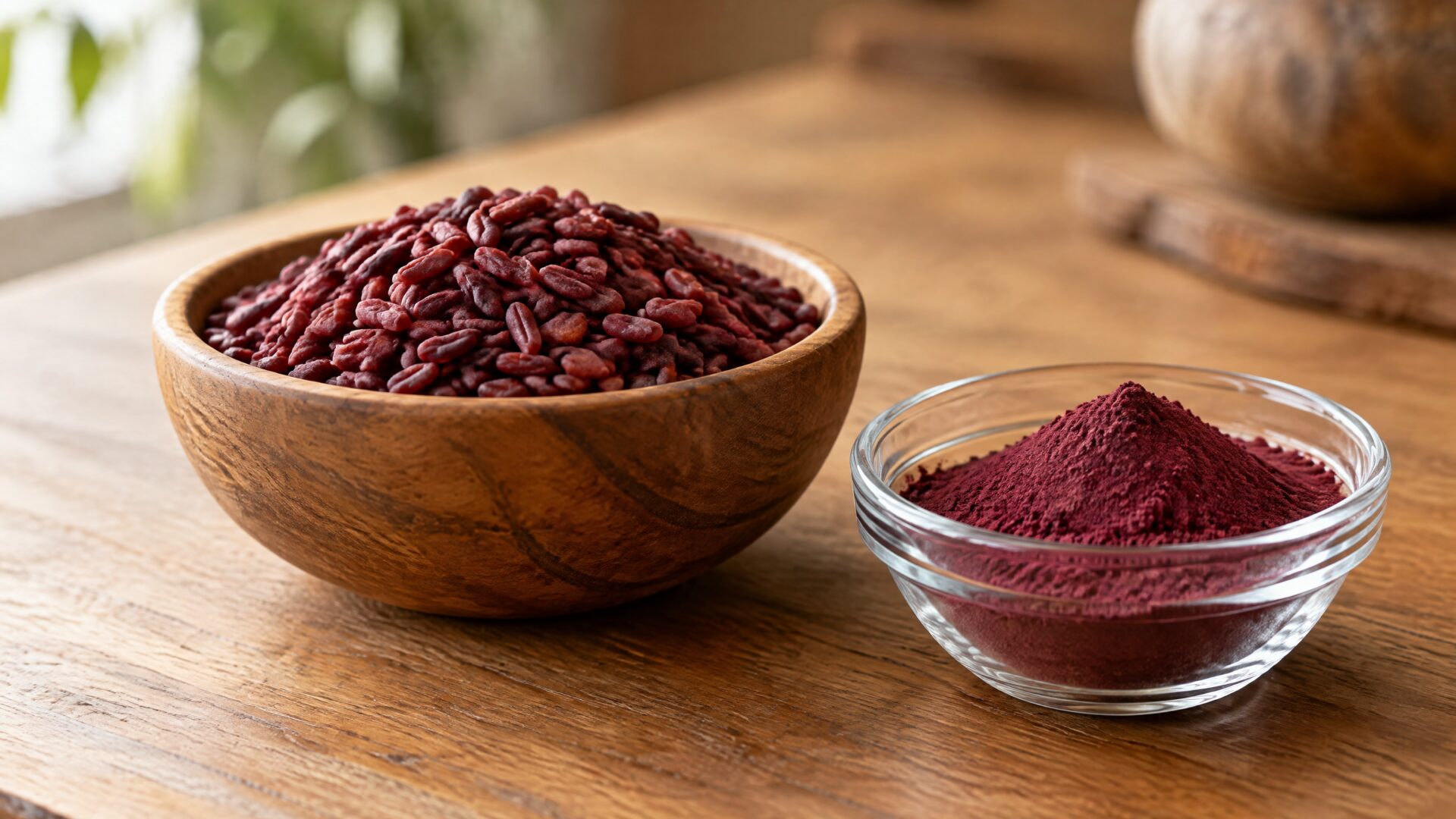
Red yeast rice is produced by fermenting cooked rice with a specific mold, Monascus purpureus, which gives it a deep red colour and has been used in Chinese cuisine and traditional medicine for over a thousand years. During fermentation it produces monacolin K, a compound with the same structure as the active ingredient in the statin drug lovastatin – which is the basis for its cholesterol-supporting reputation. As an ingredient it’s supplied as a standardized extract powder, typically defined by its monacolin K content.
Key Benefits
Cholesterol Management Support
Red yeast rice extract’s primary and best-documented use is supporting healthy cholesterol levels. Its naturally-occurring monacolin K works similarly to statins by helping to reduce the body’s production of cholesterol, and multiple studies have shown it can lower LDL (“bad”) cholesterol.
Cardiovascular Wellness
By supporting healthy cholesterol and triglyceride levels, red yeast rice is used more broadly in cardiovascular-wellness formulations aimed at maintaining heart health.
Antioxidant Content
Beyond monacolins, red yeast rice contains other bioactive compounds including antioxidants that contribute to its overall wellness profile.
Common Forms Used in Formulation
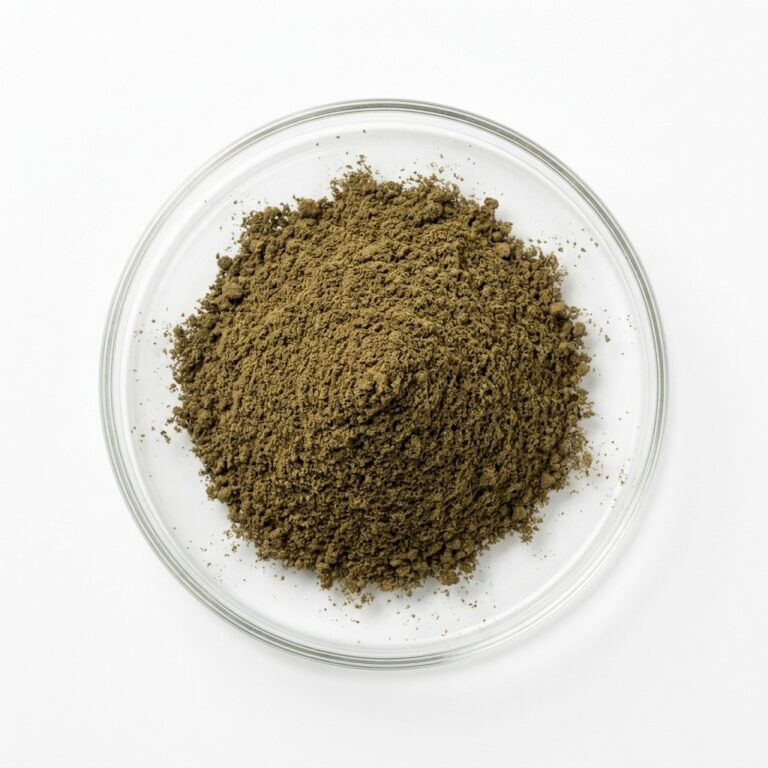
- Standardized red yeast rice extract – the supplement-grade form, standardized to a defined monacolin K content.
- Citrinin-controlled extract – processed and tested to keep the fermentation by-product citrinin below strict limits (essential for quality).
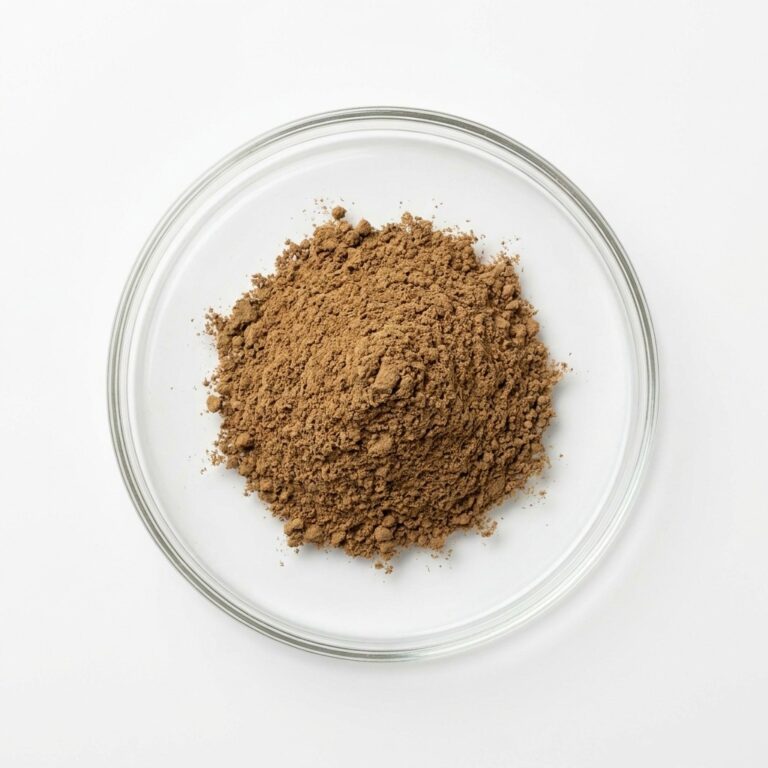
- Traditional red yeast rice powder – used in food applications and as a natural red colorant.
Sourcing and Quality Considerations for Manufacturers
Two variables define quality red yeast rice: standardized monacolin K content and controlled citrinin levels. Citrinin is a nephrotoxic mycotoxin that can form during Monascus fermentation, so a certificate of analysis confirming citrinin is below regulatory limits is non-negotiable – this is the single most important quality check for the ingredient. Buyers should also verify the monacolin K assay so potency is consistent batch to batch, and confirm the fermentation and drying process, origin, and heavy metal testing. Regulatory status varies significantly by market, so documentation supporting your target region’s requirements is essential.
Safety and Side Effects
Because red yeast rice contains a compound that works like a statin, it shares similar considerations: it should not be combined with prescription statins, and it’s not suitable during pregnancy or breastfeeding. People with liver conditions or those taking cholesterol or other medications should consult a healthcare provider before use. Sourcing citrinin-controlled material is critical to avoid the kidney-toxicity risk associated with contaminated products.
Frequently Asked Questions
What is red yeast rice extract used for?
Red yeast rice extract is used mainly to support healthy cholesterol levels and cardiovascular wellness, thanks to its naturally-occurring monacolin K.
How does red yeast rice lower cholesterol?
It contains monacolin K, a compound structurally identical to the statin lovastatin, which helps reduce the body’s cholesterol production – the same mechanism as statin drugs.
What is citrinin and why does it matter?
Citrinin is a potentially harmful by-product that can form during red yeast rice fermentation. Quality extracts are tested and controlled to keep citrinin below safe limits, which is the key sourcing consideration.
Can red yeast rice be taken with statins?
No. Because red yeast rice works like a statin, it should not be combined with prescription statin medication, and anyone on cholesterol medication should consult a healthcare provider first.
Sourcing red yeast rice extract for your formulation?
FC Materials supplies standardized, citrinin-controlled red yeast rice extract with defined monacolin K content for supplement manufacturers. Tell us your product needs and our team will respond with specs, pricing, and MOQ.