
Article Introduction
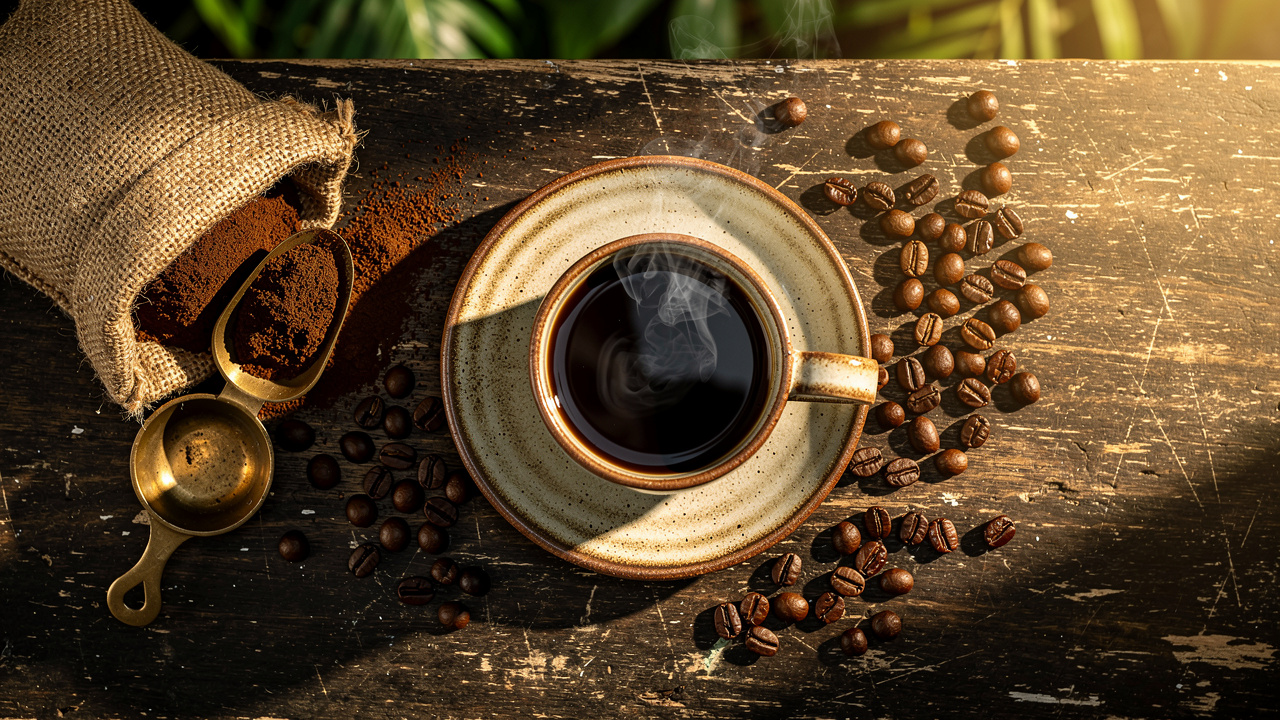
Walk into any old-school kopitiam on a humid Malaysian morning and the smell hits first – thick, smoky kopi in chipped cups, poured from well-worn kettles. That same character now lives on in modern coffee powder in Malaysia, ready to go straight into RTD drinks, 3‑in‑1 sachets, confectionery, supplements, and even skincare. From a B2B view, this is not just nostalgia. It is a deep pool of ready-made flavour stories and functional benefits.
On one side sit heritage roasters and local coffee brand Malaysia names that have roasted Liberica and Robusta for decades, giving us traditional Malaysian kopi, Ipoh white coffee powder, Penang coffee powder, Kluang and Batu Pahat styles, and Sarawak coffee powder from East Malaysia. On the other side is a fast-growing specialty scene built around 100 percent Arabica, fresh roasting, and international quality scores. Both ends of this market feed into premium kopi from Malaysia, instant coffee powder in Malaysia, and Malaysian ground coffee for higher end applications.
For food and beverage manufacturers, nutraceutical and health brands, personal care formulators, and pharmaceutical firms, this range can feel exciting but also confusing. This guide brings clarity. It walks through bean types, roasting styles, regional profiles, quality and Halal standards, B2B applications, and sourcing steps. Along the way, it shows how a trusted ingredient partner such as FC Materials Sdn Bhd helps turn Malaysian coffee powder into safe, compliant, market-ready products.
Key Takeaways
Malaysia offers several recognisable coffee styles. These include traditional Malaysian kopi, Ipoh white coffee, Penang and Kluang classics, and Sarawak coffee. Each style can anchor a different flavour position in food, beverage, or wellness products.
Bean choice shapes both taste and function. Liberica delivers heritage character, Arabica supports premium and specialty products, and Robusta underpins high-caffeine formats. Matching bean to product target is just as important as picking packaging or sweetener systems.
Certifications matter for B2B buyers. Halal approval and MeSTI food safety status are basic entry requirements when sourcing coffee powder in Malaysia. For export or premium branding, extra validation such as HACCP, ISO, or specialty coffee scores gives added peace of mind.
Coffee powder is more than a drink base. It serves in RTD beverages, confectionery, baked goods, functional nutrition, weight management blends, scrubs, and anti-ageing skincare. This wide range increases the commercial value of a well-chosen coffee ingredient.
The right supplier offers more than stock. Quality control, traceable sourcing, technical support, and regulatory guidance help manufacturers reduce risk. FC Materials Sdn Bhd focuses on these points so that coffee, cocoa, tea, and other powders slot smoothly into compliant formulations.
“Coffee is a language in itself.” — Jackie Chan
That “language” is exactly what product developers work with when they choose Malaysian coffee powder for B2B projects.
Understanding Malaysia’s Coffee Powder Market
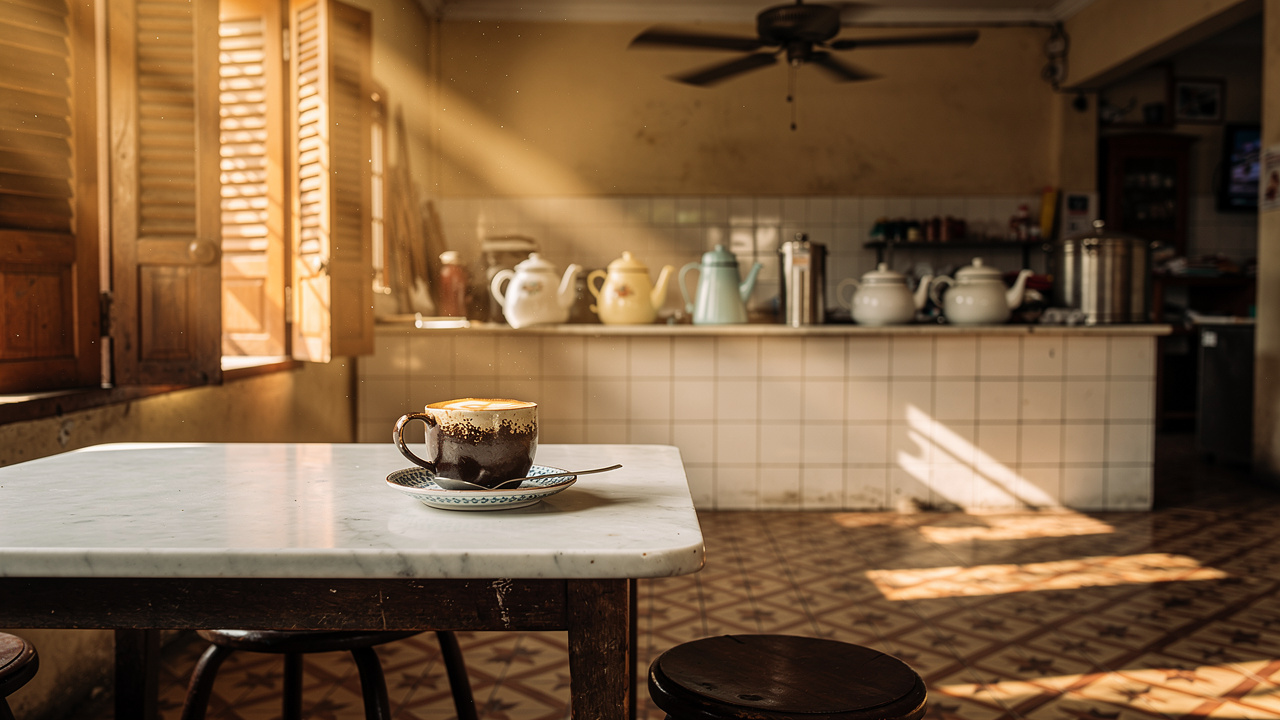
Malaysia’s coffee story starts with the kopitiam – community coffee shops where thick kopi, half-boiled eggs, and kaya toast form part of daily life. Traditional Malaysian kopi relies on beans roasted with sugar and margarine, giving a strong, caramelised brew that is very different from Western-style black coffee. Over time, this heritage kopitiam coffee powder has moved from loose sacks into branded packets used at home and in factories.
Regional character adds more colour. Ipoh white coffee powder and Ipoh coffee powder are linked with lighter roasts and creamy profiles. Penang famous coffee powder carries the island’s long kopitiam history, while Kluang coffee powder factory products highlight Johor’s Liberica story. Batu Pahat coffee powder and Sarawak coffee powder bring their own local roasting traditions and flavour twists, often based on Liberica or mixed blends. For a product developer, each region offers a ready-made flavour identity to build on.
Alongside this heritage tier sits a modern, specialty-driven tier. Here, imported Arabica beans from origins such as Colombia, Brazil, and Ethiopia are roasted without sugar and margarine, then sold as Malaysian ground coffee or freshly ground coffee Malaysia for cafés and premium retail. The same beans can be milled into espresso powder Malaysia or spray-dried into premium instant coffee for higher end mixes.
Convenience has reshaped the market again. Instant coffee powder in Malaysia and 3‑in‑1 mixes now represent huge volumes, serving offices, homes, and vending machines. At the same time, demand for best coffee powder in Malaysia products has grown, covering both traditional and specialty styles. For B2B buyers, this means there is no single “standard” Malaysian coffee powder:
Heritage kopitiam powders based on Liberica/Robusta
Regional styles such as Ipoh, Penang, Kluang, Batu Pahat, and Sarawak
Specialty Arabica ground coffee and gourmet instant formats
High-volume 3‑in‑1 and vending blends
Understanding which segment a supplier sits in helps match the right raw material to RTD cans, supplements, creams, or pharmaceutical lines. When these choices sit on a base of Halal and food safety compliance, they become export-ready ingredients for Southeast Asia and beyond.
Key Coffee Bean Varieties – Liberica, Arabica And Robusta
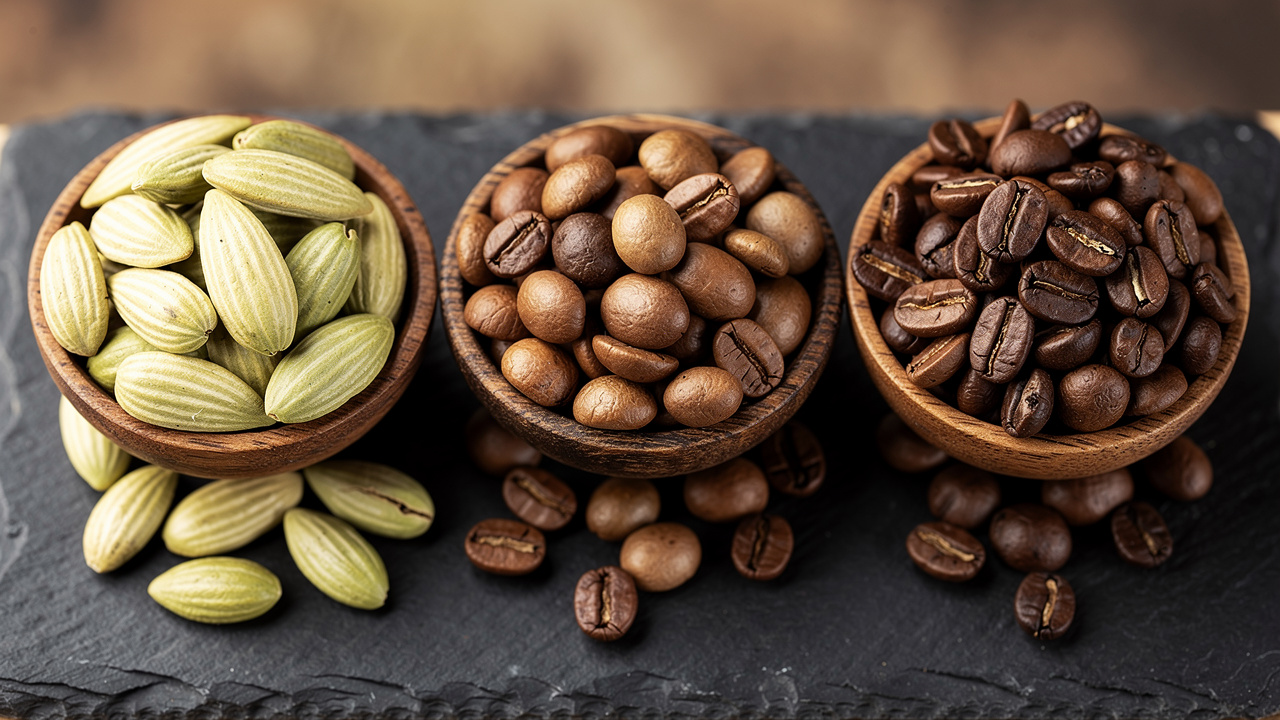
As many roasters like to say, “Good coffee starts with good beans.” Bean choice is the first big decision for any Malaysian coffee powder.
Liberica – Malaysia’s Heritage Bean
Liberica holds a special place in Malaysian coffee culture, even though it is rare on the global stage. The beans are large, almond-shaped, and are strongly linked to older kopitiam brands and traditional roasters, including well-known Kluang coffee powder factory names. For many locals, that deep, smoky cup from a roadside stall is powered by Liberica or Liberica-rich blends.
Key traits of Liberica coffee include:
Flavour: Bold, nutty, smoky, with dark chocolate notes and low sharpness
Aroma: Intense and lingering, ideal for nostalgic kopi profiles
Positioning: Strong heritage story linked to Johor and older kopitiam culture
These qualities make Liberica a strong base for traditional Malaysian kopi, regional Penang coffee powder, or Batu Pahat coffee powder styles. It works especially well in powdered kopi blends, RTD drinks that want a “true Malaysian” message, and coffee-flavoured confectionery or baked goods. Manufacturers aiming to highlight heritage, or to stand out in export markets with a clearly Malaysian story, can use Liberica-based Malaysian coffee blend concepts as a key talking point.
Arabica – The Specialty Standard
Arabica is the bean behind most modern specialty cafés and premium supermarket packs in Malaysia. These beans usually come from highland farms in Colombia, Brazil, Ethiopia, El Salvador, and similar growing regions. Roasters focus on careful profiles that respect the origin character, often supported by grading through the Specialty Coffee Association or independent reviewers.
In the cup, Arabica tends to be more complex and aromatic than other beans. Depending on origin and roast, it can offer fruity, floral, nutty, or caramelly notes, with higher acidity and a smooth finish. For product developers, this gives room to design premium kopi from Malaysia that can stand beside international brands. High-scoring Arabica supports best coffee powder in Malaysia claims, espresso powder Malaysia formats, and gourmet instant ranges.
Arabica coffee powder suits products where flavour story matters, such as:
Single-origin RTD cold brews and bottled lattes
Specialty ice creams and gelato with origin coffee notes
Chocolate and confectionery with clearly stated coffee origins
Nutraceutical drinks that need a pleasant, refined coffee taste
When a brand wants to move up the value chain, Arabica-based Malaysian ground coffee or instant formats frequently sit at the centre of that plan.
Robusta – The Workhorse Of Traditional Blends
Robusta grows widely across Southeast Asia and plays a quiet but vital role in Malaysian coffee powder. It is a mainstay of traditional kopitiam blends and many instant sachets. Crops are hardy, yields are strong, and prices are usually lower than for Arabica, which matters for large-volume producers.
Typical Robusta characteristics include:
Taste: Powerful body, clear bitterness, chocolate-like or earthy notes
Functionality: Naturally high caffeine, often around double that of Arabica
Cost: Generally more economical, helping keep prices accessible in mass-market products
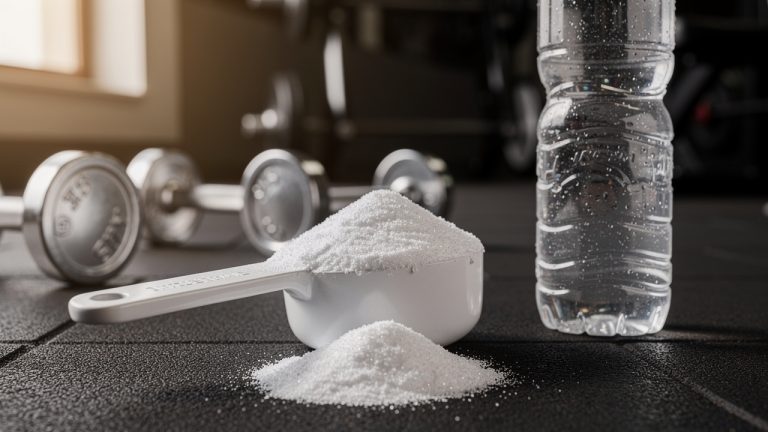
For nutraceutical brands, this makes Robusta coffee Malaysia formats a natural fit for pre-workout powders, alertness tablets, and weight management blends where the “kick” is part of the appeal.
Blenders frequently combine Robusta with Arabica or Liberica, tuning strength, cost, and flavour. In 3‑in‑1 mixes, RTD cans, and economical best kopi powder Malaysia lines, Robusta adds crema, body, and caffeine while other beans contribute aroma. For manufacturers working in cost-sensitive or high-caffeine categories, understanding the role of Robusta helps when specifying target ratios and quality levels with suppliers.
Distinctive Malaysian Coffee Styles And Regional Origins
Ipoh White Coffee – Malaysia’s Most Famous Export
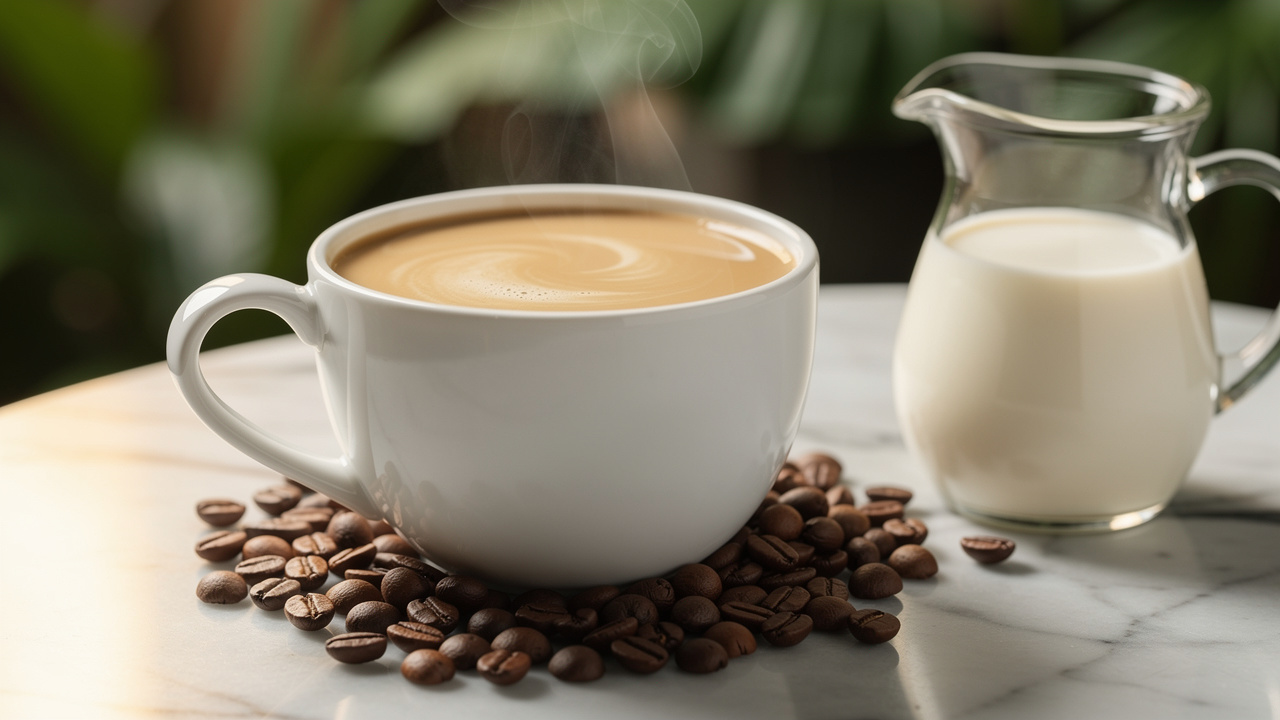
Ipoh white coffee has become one of Malaysia’s best-known coffee styles overseas. Despite the name, the drink is not white. The term “white” refers to its roasting approach. Roasters in Ipoh use margarine only, without sugar, and keep the roast lighter compared with traditional kopi roasts.
The result is Ipoh white coffee powder and Ipoh coffee powder that brew into a creamy, aromatic cup with less bitterness and a very smooth finish. This profile lends itself perfectly to mixes with creamer and sugar, and is why so many export packs carry Ipoh white coffee branding. For B2B use, this style is ideal in:
3‑in‑1 sachets and stick packs
Indulgent RTD lattes and flavoured milky coffees
Coffee-flavoured dairy drinks and ready-mix desserts
Ice cream bases where gentle coffee notes are welcome
Manufacturers who want the best coffee powder in Malaysia image for creamy, approachable drinks often start from an Ipoh-style profile. It suits younger drinkers, tourists, and international markets that prefer smoothness over heavy bitterness. When combined with strong quality control and Halal certification, Ipoh white coffee powder becomes a very flexible base for both mass and premium lines.
Traditional Black Coffee And Regional Styles
Traditional black kopi remains the heartbeat of many Malaysian towns. This coffee is usually based on Robusta, Liberica, or blends, roasted with sugar and often margarine at relatively high heat. The sugar caramelises and coats the beans, giving them a glossy, dark look and a smoky, caramel-heavy flavour once ground.
Regional variations appear across the country:
Penang famous coffee powder and Penang coffee powder echo the state’s busy kopitiam streets, known for strong brews and old-family roasters.
Kluang coffee powder factory producers in Johor highlight 100 percent Malaysian Liberica, often using medium-dark roasting with careful temperature control to keep batches consistent.
Batu Pahat coffee powder from Johor adds yet another local style, with slightly different roasting choices and blending habits carried through generations.
For manufacturers, these regional coffees are ready-made flavour signatures. They can anchor RTD kopi drinks that showcase a specific town, enrich brownies and cakes with deep coffee notes, or add complexity to savoury rubs and glazes. When a brand wants to communicate story and place, traditional Malaysian kopi styles give more than just caffeine – they carry history into each product.
Sarawak Coffee And Specialty Blends
Sarawak coffee powder reflects East Malaysia’s smaller but meaningful coffee-growing areas. Local farms, often on hilly terrain, produce beans with their own regional character. Roasters within Sarawak and on the peninsula then turn these beans into powders that appeal to both local and curious West Malaysian drinkers.
At the same time, specialty blends have grown more visible throughout the country. These blends use high-grade 100 percent Arabica from several origins, often processed by washed methods and roasted to medium-dark profiles to balance acidity, body, and aroma. Beans may carry scores from the Specialty Coffee Association or reviewers, giving objective markers of quality.
From a B2B view, such specialty Malaysian coffee blend or freshly ground coffee Malaysia offerings are strong bases for gourmet products. Think hand-crafted chocolate bars, small-batch RTD cold brews, or premium wellness drinks that claim better taste and ingredient quality. Manufacturers who want to move beyond commodity styles can work with specialty-grade blends to support premium kopi Malaysia branding while still sourcing through Malaysian suppliers.
Quality Standards And Certifications For Coffee Powder In Malaysia
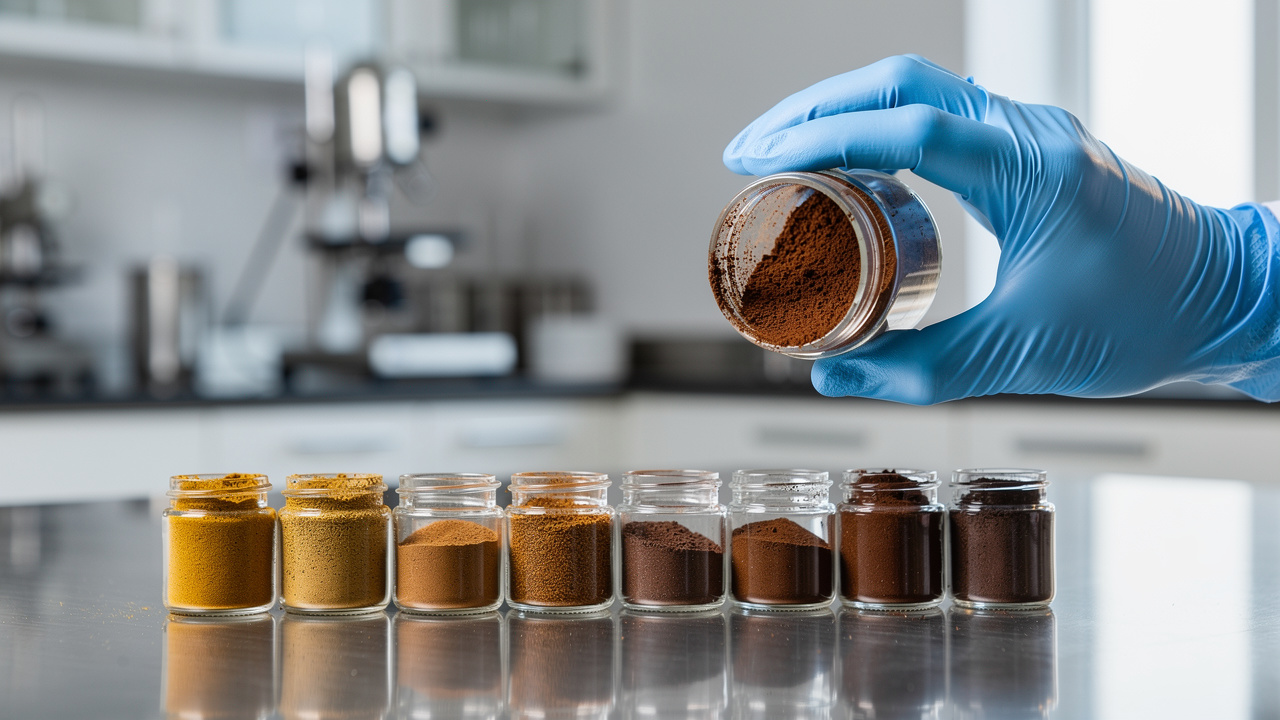
For any manufacturer, coffee powder is not just about flavour. Safety, religious compliance, and documented quality all need firm attention. In Malaysia, Halal status and MeSTI food safety certification sit at the centre of B2B ingredient decisions, alongside international systems for export-led brands.
Halal certification, usually issued by JAKIM or recognised foreign bodies, confirms that the full process – from beans and additives to processing aids, factory cleaning, and packaging – follows Islamic rules. For coffee powder in Malaysia used in food, beverage, nutraceutical, or personal care products, this is non-negotiable. Without Halal ingredients, final products cannot obtain Halal logos, which limits access to key retail chains and export markets, especially in Muslim-majority countries.
MeSTI, a programme under the Ministry of Health, acts as a local food safety management baseline. A MeSTI-certified coffee producer has documented controls for hygiene, pest control, traceability, and process checks. For B2B buyers, this reduces the risk of microbiological issues or contamination incidents downstream. For brands that ship products regionally or globally, ISO 22000 or HACCP systems often sit beside MeSTI, and specialty coffee suppliers may also reference SCA grading or Coffee Review scores to support premium positioning.
“Quality is never an accident; it is always the result of intelligent effort.” — John Ruskin
In coffee powder sourcing, that “intelligent effort” shows up in both paperwork and product performance.
Beyond certificates, the technical profile of the powder itself matters. Procurement and QA teams usually assess:
Solubility and dispersibility – how easily the powder mixes into water, dairy, or plant-based bases
Flavour and aroma consistency – steady sensory profile from batch to batch
Colour uniformity – important for RTD cans, dessert creams, and confectionery fillings
Moisture content and water activity – low enough to prevent clumping and microbial growth
Bulk density and particle size – influencing dosing, mixing behaviour, and packaging design
A solid Certificate of Analysis (CoA) for each batch pulls these data points together. FC Materials Sdn Bhd builds its ingredient business around this approach. Whether the item is instant black tea, cocoa, or coffee powder from partner producers, FC Materials focuses on documented Halal status, clear CoA data, and regulatory support. This helps manufacturers save internal time, strengthen compliance files, and move from sample to launch with fewer surprises.
B2B Applications Of Coffee Powder Across Industries
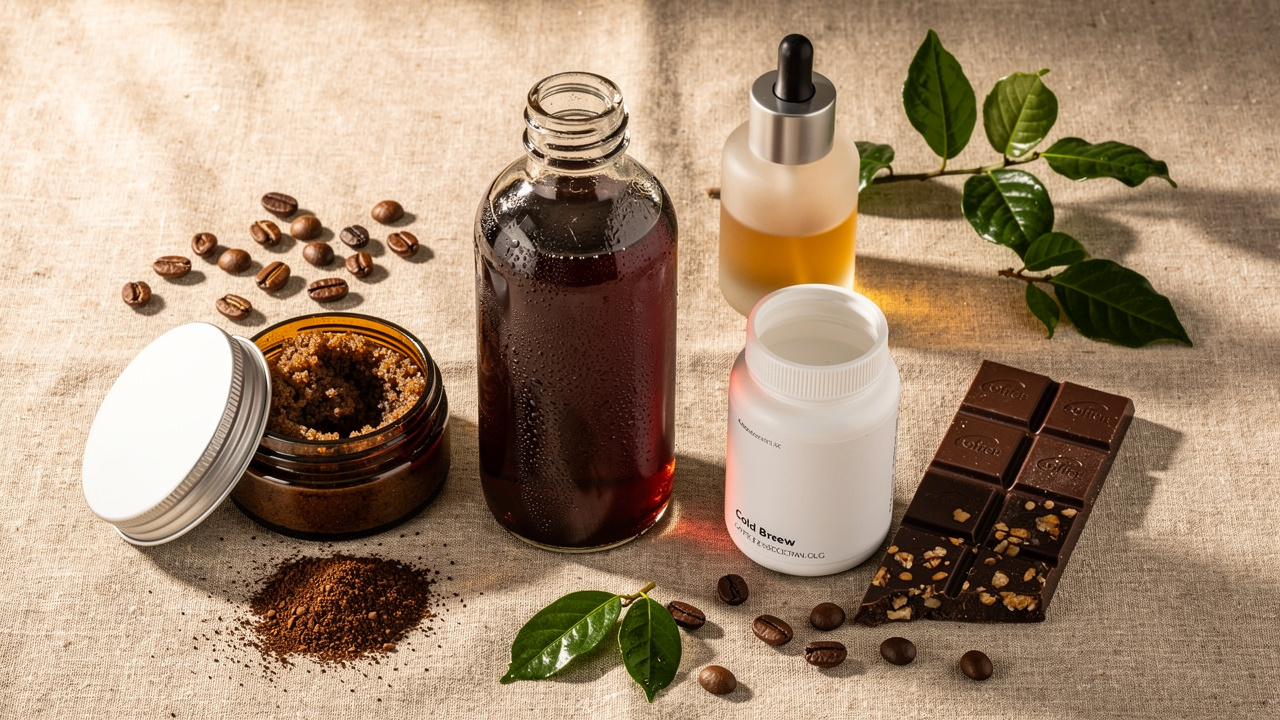
Food And Beverage Manufacturing
Food and drink remain the biggest users of Malaysian coffee powder by far. RTD beverages rely on spray-dried or freeze-dried coffee to give consistent flavour in canned and bottled lattes, americanos, and cold brews. Some brands use Arabica-heavy blends for premium lines, while others depend on traditional kopi-style powders for strong, sweet drinks that match kopitiam expectations.
Instant coffee powder in Malaysia also sits at the core of 3‑in‑1 and 2‑in‑1 mixes. Here, powdered coffee combines with non-dairy creamer and sugar inside sachets that suit offices, vending machines, and export cartons. Manufacturers choose between:
Ipoh white coffee profiles for creamy, smooth mixes
Penang-style blends for stronger, more aromatic drinks
Modern Malaysian coffee blend recipes that balance cost and flavour
Beyond drinks, coffee powder brings depth to baked and frozen products. It appears in cakes, brownies, biscuits, tiramisu, coffee ice cream, and pralines. Liberica-based powders add a smoky punch, while Ipoh white coffee powder gives a creamier, gentler note. Some chefs even work small amounts into savoury rubs, marinades, BBQ sauces, and gravies, where the roasted character lifts meat dishes without shouting “coffee”.
Nutraceuticals And Health Supplements
Coffee’s functional appeal comes mainly from caffeine and antioxidant compounds such as chlorogenic acids. Nutraceutical and supplement brands use these properties in several ways.
Energy and performance products are an obvious fit. High-caffeine Robusta coffee Malaysia powders settle into pre-workout blends, energy drinks, and chewable tablets that promise focus and alertness. Many consumers feel more comfortable with caffeine from coffee than with fully synthetic forms, especially when it is clearly labeled.
Weight management formulations also rely on coffee extracts. Caffeine supports thermogenesis and increased energy use, while chlorogenic acids are widely studied for their possible roles in glucose and fat metabolism. Brands may blend coffee powder with botanicals, fibres, and vitamins to build multi-function shakes or capsules that sit in slimming ranges.
At the premium end, Arabica-based coffee ingredients can support wellness products that want both good taste and perceived health benefits. Coffee’s antioxidant mix feeds into brain health and cognitive function claims in some markets, although firms must follow local regulations closely when drafting labels. FC Materials works with manufacturers on this regulatory side, helping ensure that coffee-derived ingredients fit into compliant, premium kopi Malaysia positioned supplements without over-stated messages.
Personal Care, Cosmetics, And Pharmaceuticals
Coffee has moved beyond cups and sachets into bathroom shelves and medicine cabinets. In personal care, coarser ground coffee powder is widely used in body and facial scrubs. The particles provide a natural mechanical exfoliant that helps remove dead skin cells and can improve the feeling of circulation during massage. Brands often highlight the comforting coffee aroma as a sensory plus.
Caffeine, extracted from coffee or produced synthetically, is now common in:
Eye creams designed to reduce puffiness
Anti-cellulite products and massaging gels
Firming lotions and body products with “energising” positioning
For these applications, consistent particle size, absence of contaminants, and Halal status matter, particularly for brands selling into Malaysian and Southeast Asian markets.
In pharmaceuticals, caffeine is a recognised active ingredient. It appears in combination pain medicines (for headaches and migraines), where it can improve the effect of paracetamol or ibuprofen. Some respiratory and alertness-related products also include caffeine. While these applications rely more on pharmaceutical-grade material than food-grade coffee powder, manufacturers still benefit from suppliers who understand cross-industry regulations. FC Materials Sdn Bhd serves food, nutraceutical, and personal care makers with ingredients and documentation support, helping teams handle coffee and other actives within a clear compliance framework.
How To Source The Right Coffee Powder In Malaysia
Good sourcing starts with a clear brief. Before asking for quotes, manufacturers should define what they need from coffee powder in Malaysia. That means deciding on bean type, roast style, grind or instant format, and application. A heritage RTD kopi line might call for Liberica-rich traditional Malaysian kopi powder, while a premium iced latte range could rely on Arabica-based Malaysian ground coffee. High-caffeine supplements, in contrast, may favour Robusta-heavy extracts.
A simple sourcing checklist might include:
Product Definition
Target format: RTD, 3‑in‑1, capsule, dessert, supplement, cosmetic
Preferred bean type: Liberica, Arabica, Robusta, or blends
Roast profile: traditional dark kopi, Ipoh-style, or specialty medium
Certification Requirements
Halal status (JAKIM or recognised equivalent)
MeSTI for local food safety baseline
HACCP or ISO 22000 for export-led or multinational brands
Specialty scores (e.g., SCA) if you plan premium claims
Technical Specifications
Solubility, particle size, bulk density
Moisture and water activity limits
Sensory profile: aroma, strength, bitterness, aftertaste
Certification checks come next. For the Malaysian market, Halal and MeSTI status are basic filters. Export-led brands often add HACCP or ISO 22000 expectations, and those seeking a premium specialty angle may also want SCA scores or similar markers. When buying coffee powder online Malaysia or arranging bulk supply, always request valid certificates plus a recent CoA covering microbiology, moisture, particle size, and relevant chemical markers.
Sourcing transparency is also important. Many brands now want clear information on whether their beans come from Malaysian farms – such as Liberica from Johor or Sarawak coffee powder sources – or from specific overseas origins. A supplier who can share farm or region details helps marketing teams build stronger product stories and supports ethical sourcing claims where needed.
Customisation ability separates commodity sellers from long-term partners. Some manufacturers will want help creating a house Malaysian coffee blend, setting target sensory notes, or matching an existing brand’s flavour. Others might need special grind sizes for capsule systems or spray-drying links for instant formats. Suppliers able to provide R&D input, pilot samples, and fine-tuning can give their clients a clear edge when building best kopi powder Malaysia products.
Finally, reliability and logistics matter as much as flavour. Check production capacity, lead times, and shipping arrangements to be sure that coffee powder deliveries align with your own production schedule. Here, ingredient-focused firms such as FC Materials Sdn Bhd add value. Operating from Malaysia, FC Materials works with a network of Halal-certified producers, manages documentation, and supports manufacturers ranging from start-ups to large plants. By sourcing coffee, cocoa, tea, and other powders through a single, quality-driven partner, buyers can simplify procurement while still meeting strict regulatory and performance targets.
Conclusion
Malaysia offers an unusually rich coffee scene for manufacturers to tap into. From smoky Liberica-based kopitiam blends and Ipoh white coffee to Penang, Kluang, Batu Pahat, and Sarawak coffee powder styles, each option carries a story and a clear taste identity. Adding specialty Arabica and functional Robusta creates a full toolkit for RTD drinks, dessert lines, wellness products, and more.
For B2B buyers, taste is only part of the picture. Halal certification, MeSTI or higher food safety systems, and reliable Certificates of Analysis all sit at the heart of responsible sourcing. Technical parameters such as solubility, moisture, particle size, and microbiology need the same attention as brand design or pack format.
Coffee powder’s reach now cuts across food and beverage, nutraceuticals, cosmetics, and some pharmaceutical uses. Manufacturers who match bean variety, regional style, and supplier capability to clear product goals can stand out more easily in crowded categories. FC Materials Sdn Bhd supports that process as a trusted ingredient partner, combining Halal-aware sourcing, strong QA practice, regulatory guidance, and logistics strength. With the right coffee powder strategy, your next innovation can carry Malaysian kopi character into markets across Southeast Asia and beyond.
FAQs
What Is The Difference Between Ipoh White Coffee Powder And Traditional Malaysian Kopi Powder?
Ipoh white coffee powder comes from beans roasted with margarine only, with no added sugar during roasting. This gives a lighter roast, creamier body, and milder bitterness. Traditional Malaysian kopi powder is roasted with both sugar and margarine, creating a darker bean with caramelised, smoky flavours and a stronger, heavier cup. Each style suits different product needs in RTD drinks, mixes, and desserts.
Is Coffee Powder In Malaysia Halal-Certified?
Many established Malaysian coffee powder producers hold Halal certification from JAKIM or other recognised authorities. However, status can differ between factories and product ranges, so it is vital to check each supplier individually. When sourcing for B2B use, ask for up-to-date Halal certificates and keep copies on file, especially if your finished goods need their own Halal logo.
What Should B2B Manufacturers Look For When Buying Coffee Powder Online In Malaysia?
When using buy coffee powder online Malaysia channels, look beyond price alone. Check that the supplier lists bean type, roast level, and origin, and can share Halal and MeSTI certificates plus a detailed CoA. Confirm typical lead times, minimum order quantities, and logistics support. For ongoing production, many manufacturers prefer to work with an ingredient specialist such as FC Materials Sdn Bhd rather than one-off retail sellers.
Which Type Of Coffee Powder Is Best For Nutraceutical Or Supplement Manufacturing?
For high-caffeine energy or pre-workout products, Robusta-based coffee powder often works best because of its naturally higher caffeine content and strong flavour. For premium wellness drinks or powders where taste and branding matter, Arabica or carefully designed specialty blends may fit better. In every case, the powder must meet food-grade safety standards and carry the right Halal and regulatory approvals for the markets you plan to serve.
Can Coffee Powder Be Used In Personal Care And Cosmetic Products?
Yes, coffee powder and coffee-derived ingredients are common in personal care. Coarser grounds appear in scrubs and exfoliating bars, while caffeine-rich extracts feed into eye creams, anti-cellulite formulas, and firming lotions. Cosmetic brands still need to treat coffee as a regulated raw material, checking purity, microbiology, and Halal status, especially when selling in Malaysia or neighbouring countries.