
Beneath the deep purple rind of a fruit prized across Southeast Asia sits one of the more potent antioxidant compound families found in nature. Mangosteen has earned its “Queen of Fruits” nickname as much for the compounds in its rind as for the sweetness of its flesh.
What Is Mangosteen?
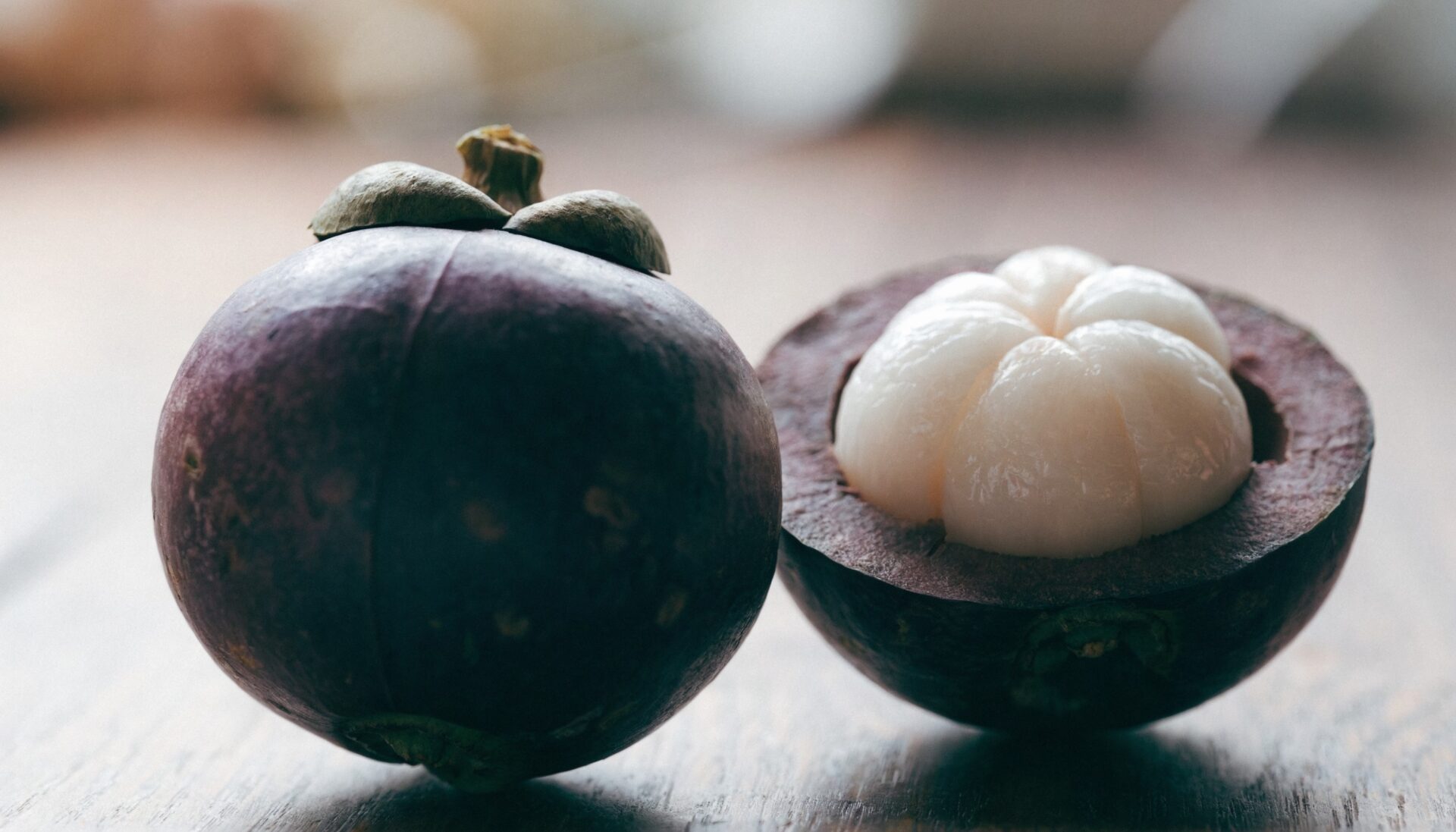
Mangosteen (Garcinia mangostana) is a tropical fruit native to Southeast Asia, prized for its sweet-tart white flesh. While the fruit itself provides vitamins, minerals, and fiber, the greatest interest from a formulation standpoint lies in its thick purple rind, which is rich in xanthones — a class of antioxidant compounds studied for a range of potential health benefits, including alpha-mangostin, the most researched and potent of the group. Mangosteen extract is typically produced by drying and grinding the rind, then concentrating its active xanthone content.
Key Health Benefits
Antioxidant Support
Xanthones are potent free-radical scavengers, helping neutralize oxidative stress that contributes to cellular aging and chronic disease risk. Mangosteen’s antioxidant capacity is frequently cited alongside its vitamin C and fiber content as part of its overall nutritional profile.
Anti-Inflammatory Activity
Research on mangosteen xanthones points to anti-inflammatory effects that may help lower the body’s inflammatory response, an area of interest for supporting joint comfort and reducing risk factors tied to chronic conditions like heart disease.
Heart Health
Some research suggests regular mangosteen intake may support healthy blood vessels and help prevent the oxidation of LDL cholesterol, contributing to its positioning in heart-health-focused antioxidant formulations.
Blood Sugar and Weight Management
Preliminary studies indicate mangosteen may help improve insulin sensitivity and support healthy body composition, though this remains an active area of ongoing human research rather than an established clinical use.
Immune and Skin Support
Mangosteen extract’s antimicrobial and antioxidant properties are of interest for both immune-supporting supplements and skincare formulations targeting oxidative skin damage.
Common Forms Used in Formulation
- Standardized rind extract powder for capsules and tablets
- Mangosteen juice and juice blends, often marketed for antioxidant positioning
- Mangosteen tea, made from dried rind or leaf
- An active in skincare formulations targeting oxidative stress and skin radiance
Sourcing and Quality Considerations for Manufacturers
Buyers should request a certificate of analysis specifying standardized xanthone content (alpha-mangostin is the most studied marker compound), along with heavy metal and microbiological testing. Because rind-derived extracts can vary significantly in potency depending on harvest and processing method, working with a supplier who provides batch-to-batch standardization is important for consistent finished-product quality.
Safety and Side Effects
Mangosteen is generally well tolerated in food and supplement amounts, and current evidence has not shown adverse effects on immune, liver, or kidney function at typical beverage-level intakes. High doses of concentrated extract have been associated with rare reports of lactic acidosis and interactions with blood-thinning medication, so individuals on anticoagulants or with liver conditions should consult a healthcare provider before supplementing. As with any concentrated botanical extract, pregnant or breastfeeding individuals should seek medical advice first.
Frequently Asked Questions
Is it okay to eat mangosteen every day?
Whole mangosteen fruit is well tolerated daily by most people as part of a balanced diet; concentrated rind extract supplements are better used within labeled dosing guidance given their more potent xanthone content.
What part of the mangosteen is used in extract form?
Most mangosteen extracts are derived from the fruit’s rind, which contains the highest concentration of xanthones, rather than the sweet white flesh typically eaten fresh.
Is mangosteen extract the same as mangosteen juice?
No. Mangosteen juice is typically a diluted, less concentrated product made from the whole fruit or rind, while extract is a standardized, concentrated form used in supplements.
Are there any known side effects of mangosteen supplements?
Mangosteen is generally well tolerated, though high doses have been linked to rare cases of lactic acidosis and possible interactions with blood thinners, so it’s best used under professional guidance at high supplemental doses.
Sourcing mangosteen extract for your formulation?
FC Materials supplies standardized mangosteen rind extract for supplement, beverage, and skincare manufacturing. Tell us your product needs and our team will respond with specs, pricing, and MOQ.