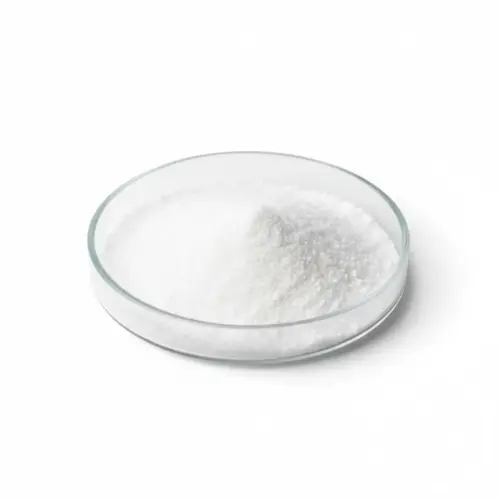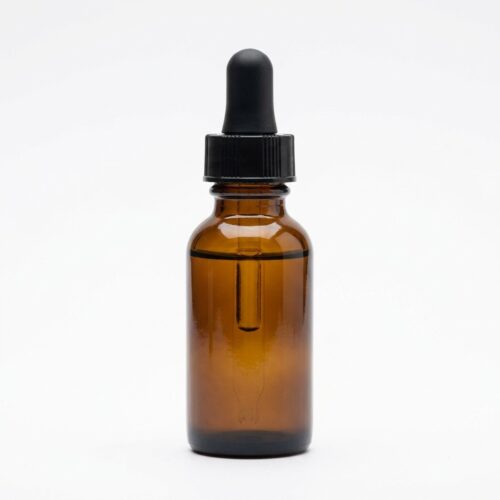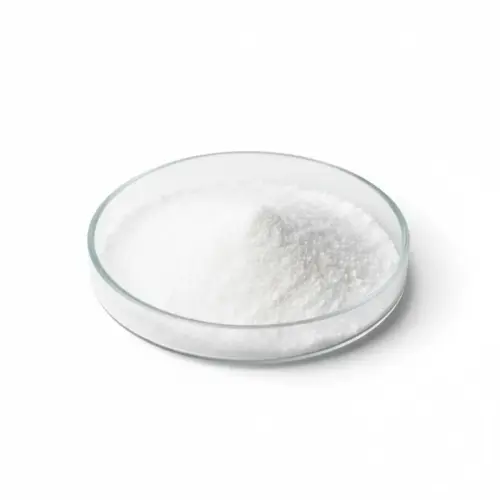
Glycerine (Glycerol) is a naturally derived humectant with a glycerine content of more than 99.50% — pharmaceutical and cosmetic grade purity. This Halal-certified ingredient is one of the most fundamental and universally used ingredients in personal care formulation, acting as a powerful humectant that draws moisture from the environment into the skin, providing immediate and lasting hydration. Derived from plant-based fats through saponification or biodiesel production, vegetable-source Glycerine is suitable for Halal, vegan, and natural product formulations.
Glycerine’s triple role as humectant, emollient, and solvent makes it irreplaceable across virtually every personal care and pharmaceutical product category — from the simplest moisturiser to the most sophisticated drug delivery system.
Applications:
- Skincare (moisturisers, serums, toners, hand creams — universal humectant in all skin formulations)
- Haircare (conditioning treatments, leave-in moisturisers, hair serums)
- Oral Care (toothpastes, mouthwashes — humectant and flavour carrier)
- Pharmaceutical (suppositories, topical medications, liquid oral formulations)
Key Features & Benefits:
- Glycerine >99.50% – pharmaceutical and cosmetic grade purity
- Halal-certified – plant-derived, suitable for Halal and vegan formulations
- Most effective natural humectant – draws and retains moisture in skin
- Triple function: humectant, emollient, and solvent
- Universally used across skincare, haircare, oral care, and pharmaceutical applications
Source: vegetable, animal or synthetic
Glycerine can come from vegetable oils (palm, coconut or soy), from animal fat, or from petrochemical synthesis. The molecule is the same, but the source decides Halal, vegan and “natural” claims, so it should be stated on the specification rather than assumed. FC’s grade is plant-derived. If your customers ask for sustainable palm, check whether the material is covered by RSPO or MSPO certification.
Grade: pharmacopoeia, food or technical
“99.5% glycerine” describes purity, not grade. Pharmaceutical grades are made to a pharmacopoeia monograph (USP or EP), food grade is listed as additive E422, and technical grades are for industrial use. Choose the grade for your most demanding application — oral care and oral liquids need a pharmacopoeia or food grade, not technical.
The impurity that matters most
Glycerine has a history of contamination with diethylene glycol (DEG) and ethylene glycol, which are toxic and look identical in the drum. Pharmacopoeia monographs now require testing for both. For any product that is ingested or used in the mouth, ask for DEG and EG results on every lot.
Handling
Glycerine is hygroscopic: it absorbs water from the air, so keep containers closed and check water content on receipt. It is viscous at room temperature, and gentle warming makes it easier to pump and meter.
What to ask for on the certificate of analysis
- Assay (%) and the pharmacopoeia or food grade it conforms to.
- Diethylene glycol and ethylene glycol results.
- Water content, colour, chlorides and residue on ignition.
- Heavy metals.
- A source statement (vegetable), plus RSPO or MSPO status if palm-derived.
Related ingredients
Formulated alongside glycerine in oral care and hydrating skin care: Silica, Menthol Crystal and Hyaluronic Acid (see our hyaluronic acid & sodium hyaluronate guide).