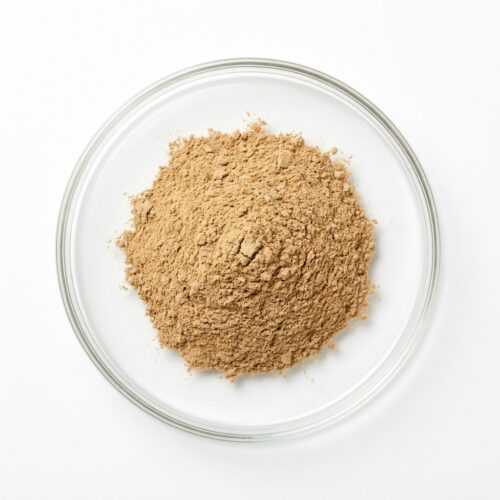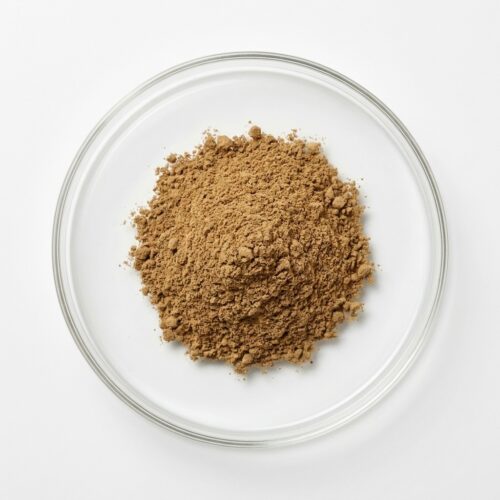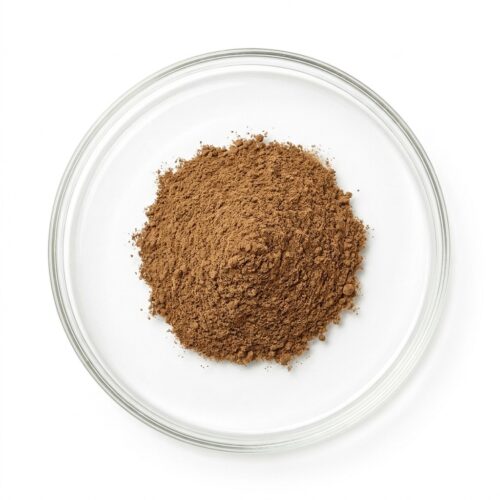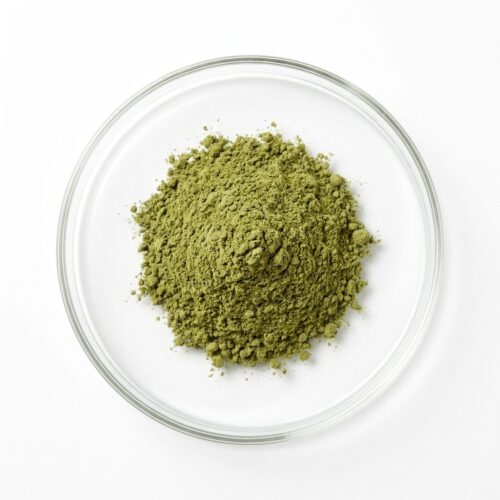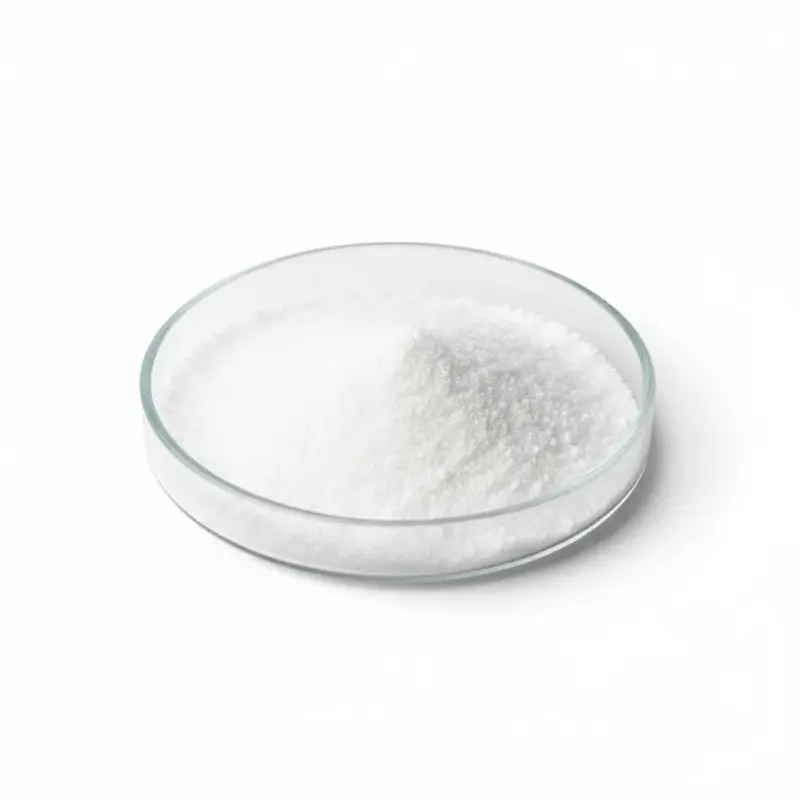
Hyaluronic Acid (HA) is a naturally occurring glycosaminoglycan found abundantly in the human skin, connective tissue, and synovial fluid. With a HA content of more than 90%, this high-purity ingredient is one of the most important hydration and joint health actives in both the nutraceutical and cosmeceutical industries. Hyaluronic Acid binds large amounts of water, which is why it is central to skin moisture, elasticity, and joint lubrication.
Hyaluronic Acid supplementation has been extensively studied and is one of the fastest-growing beauty supplement ingredients globally, driven by strong clinical evidence for skin hydration, anti-ageing, and joint health benefits.
Applications:
- Beauty Supplements (oral skin hydration capsules, anti-ageing beauty drinks, skin plumping formulations)
- Joint Health (joint lubrication supplements, cartilage support, mobility formulations)
- Nutraceuticals (eye health supplements, wound healing support)
- Cosmeceuticals (topical hyaluronic acid serums, moisturisers, eye creams)
Key Features & Benefits:
- HA >90% – high purity pharmaceutical and cosmetic grade
- Strong water-binding humectant
- Clinically studied for skin hydration, anti-ageing, and joint lubrication
- Synergistic with collagen, Vitamin C, and ceramides
- Suitable for capsule, powder, beverage, and topical formulations
Hyaluronic acid or sodium hyaluronate?
Most commercial “hyaluronic acid” powder is actually sodium hyaluronate, the sodium salt, which is more stable and easier to handle; in cosmetics it is labelled with the INCI name Sodium Hyaluronate. Confirm the exact form on the specification so your ingredient declaration matches the material.
Molecular weight defines the grade
Hyaluronic acid grades are defined by molecular weight, not just purity. High molecular weight grades build viscosity and form a hydrating film on the skin’s surface. Low molecular weight and hydrolysed grades give thinner solutions and are chosen for different product aims. Oral and topical products often use different grades. Ask for the molecular-weight range (in kDa or as intrinsic viscosity) and the method used, and compare offers grade for grade.
Source: fermentation or animal
Hyaluronic acid is made either by bacterial fermentation or extracted from animal tissue such as rooster comb. The source affects Halal and vegan status. Fermentation is the usual route for vegan claims; confirm the source on the specification.
Formulation notes
HA powder clumps if added all at once. Sprinkle it into the water phase with steady stirring and allow time to hydrate, or pre-disperse it in glycerine first. High molecular weight HA is sensitive to prolonged heat, strong shear, extreme pH and high electrolyte levels, all of which reduce viscosity by breaking the chains.
What the research says
- In a 12-week double-blind trial in 40 healthy Asian adults aged 35–64, 120 mg of oral hyaluronan a day improved wrinkle scores, skin water content, transepidermal water loss and elasticity compared with placebo. [1]
- This is a single, small trial, and several authors were employed by a hyaluronan producer. Larger independent trials are needed to confirm the effect.
These summaries describe published research on the ingredient. They are not claims for any finished product; claims on finished products must meet the rules of the market where they are sold.
References
- Hsu TF, et al. Oral hyaluronan relieves wrinkles and improves dry skin: a 12-week double-blinded, placebo-controlled study. Nutrients. 2021;13(7):2220. doi:10.3390/nu13072220
What to ask for on the certificate of analysis
- Assay (content) with the method, and the form (sodium hyaluronate).
- Molecular weight or intrinsic viscosity.
- Protein content — a key purity check for fermentation grades.
- pH of a solution, and loss on drying.
- Heavy metals and microbiological profile.
Related ingredients
Often combined in skin-care and beauty formulas: Alpha Arbutin, Kojic Acid and Glycerine.
Further reading