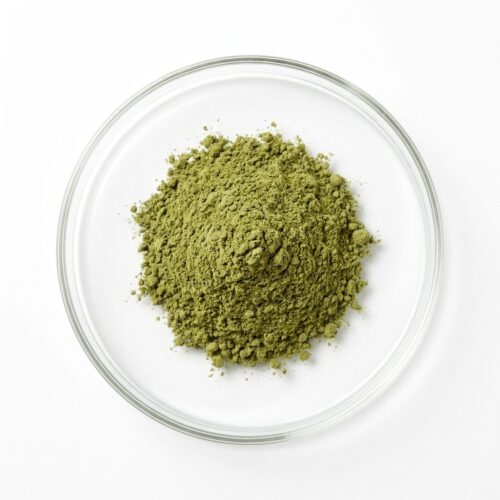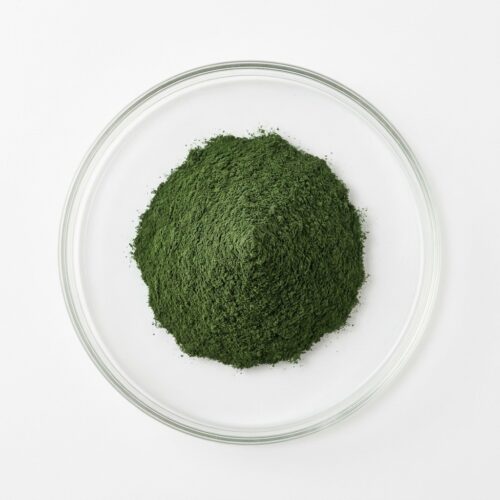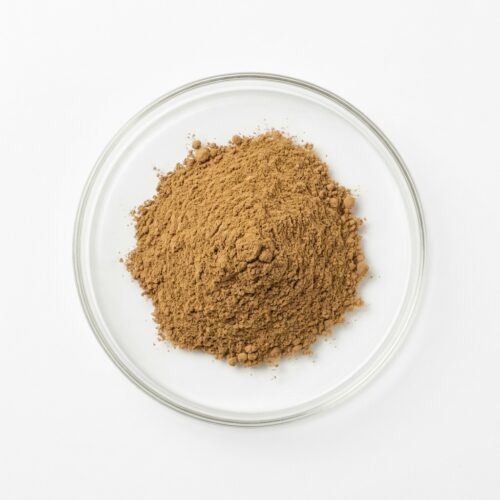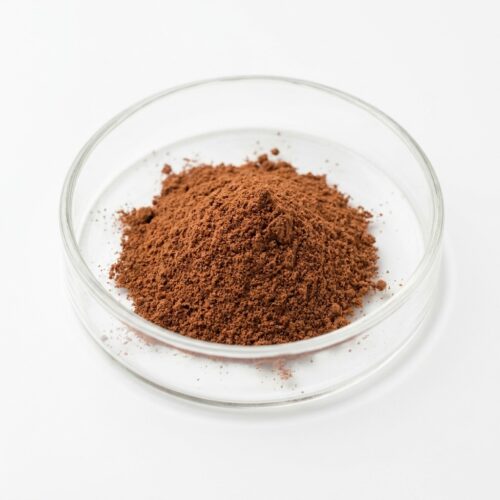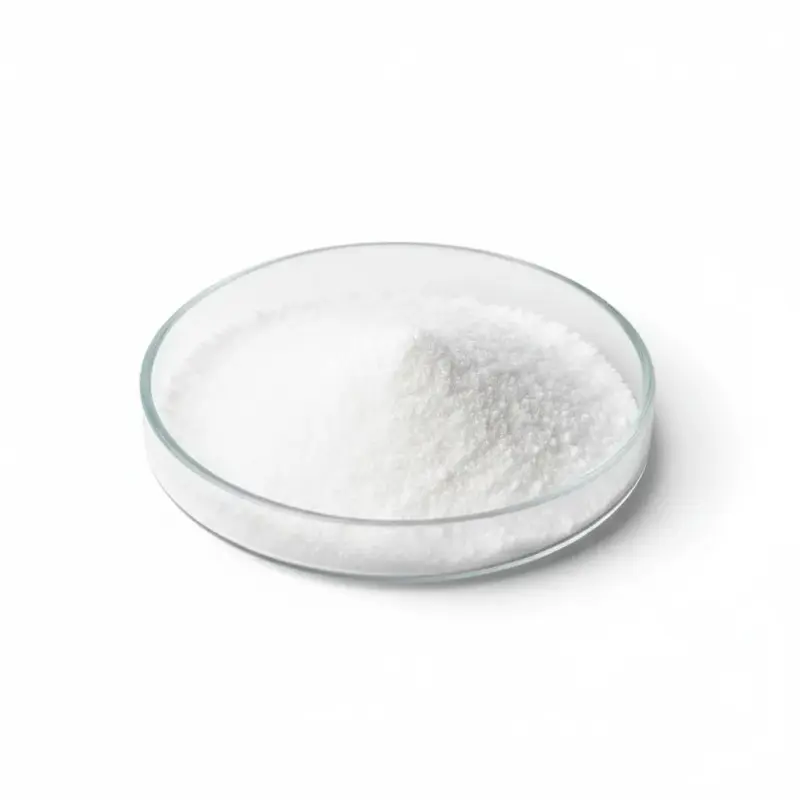
Alpha Arbutin is a high-purity, synthesised skin-brightening active with an assay of 99.0% minimum. It is a glycosylated hydroquinone derivative that acts as a potent inhibitor of tyrosinase — the key enzyme responsible for melanin synthesis in the skin. Unlike beta-arbutin or direct hydroquinone, Alpha Arbutin is significantly more stable, more potent, and safer for topical and internal formulation use.
Alpha Arbutin is a cornerstone ingredient in the global skin brightening and hyperpigmentation treatment market, widely incorporated into both cosmeceutical topical products and ingestible beauty supplement formulations targeting a brighter, more even skin tone.
Applications:
- Cosmeceuticals (skin brightening serums, whitening creams, spot correction formulations)
- Beauty Supplements (oral skin brightening capsules, beauty drinks, ingestible whitening blends)
- Personal Care (brightening toners, face masks, sunscreen formulations)
- Nutraceuticals (skin health supplement blends combining Alpha Arbutin with Vitamin C and glutathione)
Key Features & Benefits:
- 99.0% minimum assay – pharmaceutical grade purity
- Potent tyrosinase inhibitor for effective skin brightening
- More stable and safer than beta-arbutin or hydroquinone
- Suitable for both topical and ingestible beauty formulations
- Synergistic with glutathione, Vitamin C, and niacinamide
Alpha versus beta arbutin
The two are anomers of the same glycoside and are routinely confused in sourcing. The alpha form is markedly more stable and more potent as a tyrosinase inhibitor at equivalent use levels, and it carries a correspondingly higher price — which is exactly why the anomer should be confirmed on the certificate rather than inferred from a product name. “Arbutin” on a label tells you nothing about which one is in the drum.
Formulation notes
Alpha arbutin’s weak point is hydrolysis. Under acidic conditions, elevated temperature or prolonged storage it can release free hydroquinone, which is restricted or banned in cosmetics in most markets. Formulate it into the cool-down phase rather than the heated phase, hold the finished product near neutral pH, and protect it from light. It is water-soluble, which makes it straightforward in serums and toners and awkward in anhydrous systems.
Because permitted arbutin levels and hydroquinone limits differ between Malaysia, the EU, Japan and the US, confirm the current limit for your target market before fixing a use level — this is a specification that moves, and a formula compliant in one market may not ship in another.
What to ask for on the certificate of analysis
- Assay by HPLC, with the anomer explicitly identified as alpha.
- Free hydroquinone content. This is the specification that decides whether the finished product is compliant, and it is the one most often missing from a supplier’s standard sheet — ask for it by name.
- Appearance and loss on drying.
- Heavy metals and residual solvents.
- Microbiological profile for leave-on topical use.