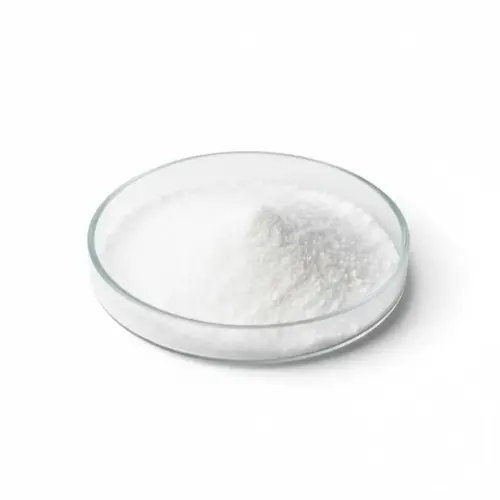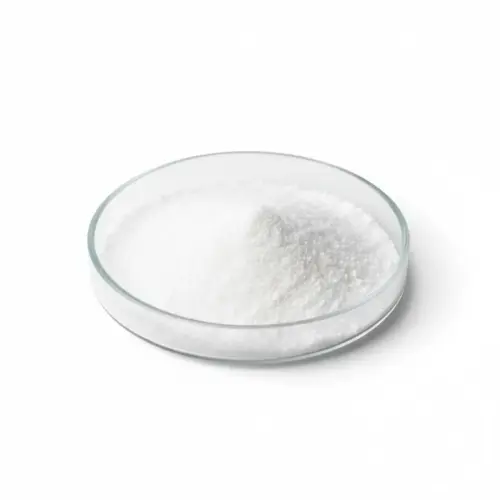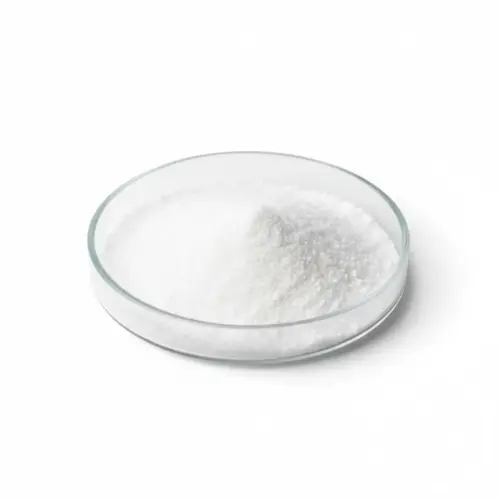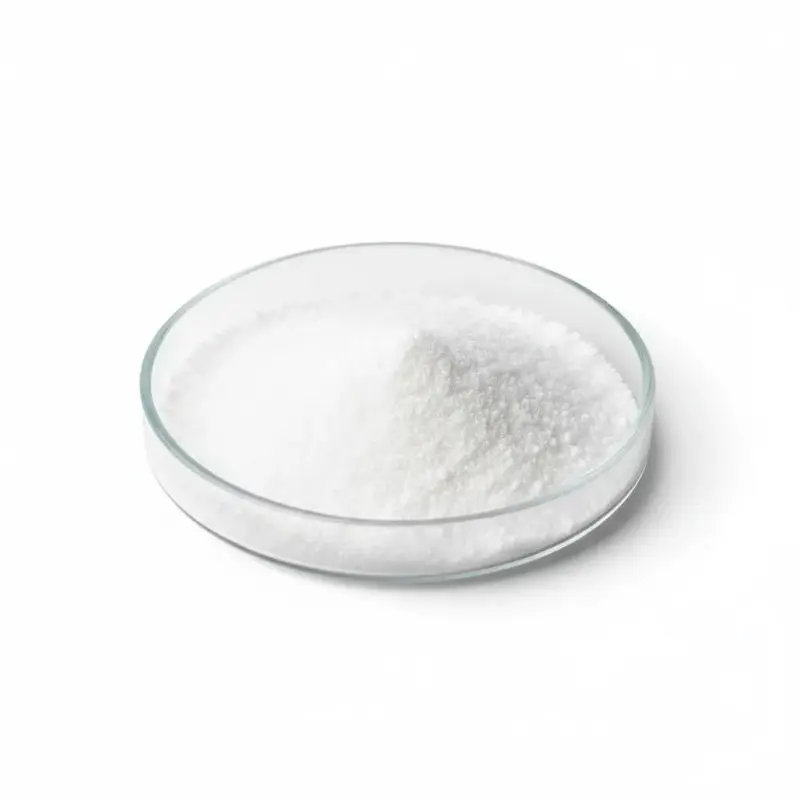
Silicon Dioxide (Silica, SiO₂) is a naturally occurring mineral compound with a pH of 6.4–7.2 (5% suspension) and Halal certification, widely used as an anti-caking agent, thickener, carrier, and abrasive in personal care and pharmaceutical formulations. In personal care applications, Silicon Dioxide serves as a gentle mechanical exfoliant and mild abrasive in toothpastes (where it is the most widely used abrasive), as well as a flow agent and anti-caking ingredient in powdered cosmetics and a thixotropic thickener in topical formulations.
Applications:
- Oral Care (toothpaste abrasive and polishing agent — the most widely used toothpaste abrasive)
- Cosmetics (anti-caking agent in face powders, pressed powders, and dry cosmetic formulations)
- Pharmaceutical (glidant and flow agent in tablet and capsule manufacturing)
- Personal Care (thickener, thixotropic modifier in topical formulations)
Key Features & Benefits:
- pH 6.4–7.2 (5% suspension) – stable, neutral-pH cosmetic grade silica
- Halal-certified – suitable for Halal-compliant personal care and pharmaceutical formulations
- Most widely used toothpaste abrasive globally
- Anti-caking and flow improvement in powdered cosmetic formulations
- Inert, non-toxic, and compatible with a broad range of formulation systems
Which silica? The grade matters more than the name
“Silicon dioxide” covers several different materials. Precipitated silica is made in water and is the grade used as a toothpaste abrasive and thickener. Fumed (pyrogenic) silica is made in a flame, has a very high surface area and is used as a thickener and flow aid rather than an abrasive. Food-grade silica (E551) is used as an anti-caking agent. A near-neutral pH in the specification is typical of precipitated grades; fumed grades are usually more acidic. Confirm the grade by name before you formulate.
Silica in toothpaste
Abrasive silicas and thickening silicas are different products that are often used together: the abrasive grade does the cleaning, the thickening grade builds the paste. Abrasivity depends on both the grade and the level used, so specify the grade rather than just “silica”, and check compatibility with fluoride and the other actives in your system.
Amorphous, not crystalline
The silicas used in toothpaste, food, supplements and cosmetics are amorphous. Crystalline silica is a recognised respiratory hazard and is not what you want in a formula or in your mixing room. Ask for written confirmation that the material is amorphous, and handle any fine silica powder with dust control.
What to ask for on the certificate of analysis
- SiO₂ content (on the ignited basis) and the grade name.
- Loss on drying and loss on ignition.
- pH of the suspension, plus particle size or oil absorption for the grade.
- Heavy metals, including lead and arsenic.
- A statement that the material is amorphous silica.
Related ingredients
Often formulated alongside silica in oral care: Menthol Crystal and Glycerine.