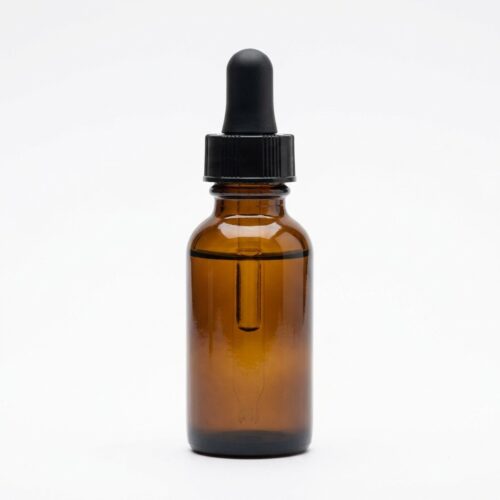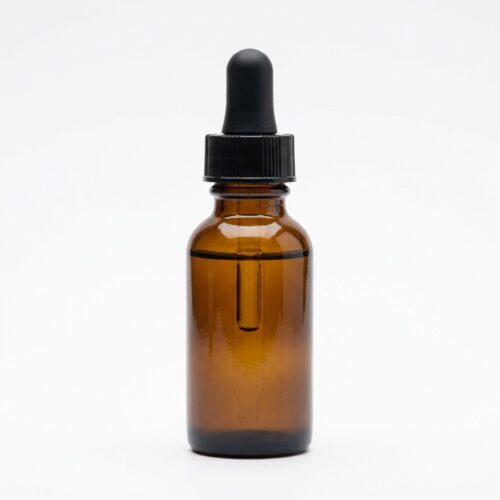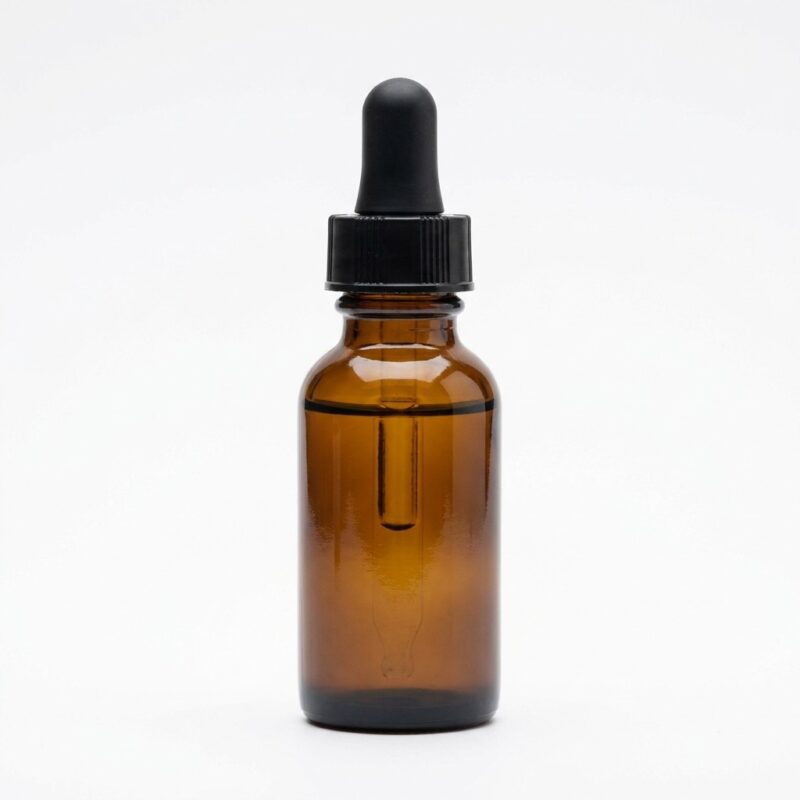
Myrrh Essential Oil is a therapeutic-grade oil steam-distilled from the gum resin of Commiphora myrrha or Commiphora molmol, presenting as a shiny light brown liquid. One of the oldest and most sacred aromatic substances in human history — revered in ancient Egyptian, Islamic, Christian, and Ayurvedic traditions — Myrrh Oil delivers a warm, rich, balsamic, earthy-smoky, slightly bitter resinous fragrance and possesses powerful antimicrobial, anti-inflammatory, wound-healing, and anti-ageing skin properties that have been used therapeutically for millennia.
Applications:
- Skincare (mature skin anti-ageing, wound healing, anti-inflammatory, cracked skin formulations)
- Oral Care (antiseptic mouthwash, gum health, oral infection support formulations)
- Aromatherapy (spiritual practice, meditation, grounding and strengthening diffuser blends)
- Fine Fragrance (rich, warm resinous base note in oriental and luxury perfume compositions)
Key Features & Benefits:
- Shiny light brown – authentic therapeutic-grade myrrh resin oil
- No animal substance – suitable for vegan and Halal-compliant formulations
- Ancient sacred aromatic with deep Islamic, Christian, and Ayurvedic heritage
- Wound-healing and anti-ageing for mature skin formulations
- Rich resinous base note for oriental and luxury fine fragrance
Essential oil, resinoid or CO2 extract
Myrrh is a gum-resin, and it gives several different raw materials. The essential oil, as on this page, is the steam-distilled volatile fraction. A myrrh resinoid is a solvent extract of the gum-resin that also carries the heavier, non-volatile resin and is thicker, darker and more fixative; CO2 extracts sit between the two. Opoponax, sometimes called sweet myrrh, comes from a different Commiphora species and smells sweeter and more balsamic. Confirm which material is being supplied, because odour, viscosity, INCI and price all differ.
Chemistry and quality markers
Commiphora myrrha oil (C. molmol is a synonym) is characterised by furanosesquiterpenes, notably furanoeudesma-1,3-diene, curzerene and lindestrene, which carry its warm, bitter, medicinal-balsamic odour. These are the markers to look for on a GC-MS report; a profile without them suggests another resin or a dilution. Supply comes mainly from the Horn of Africa, so origin and batch consistency are worth tracking. For a related resin oil, see Frankincense Oil.
Handling
Myrrh oil is viscous and tends to thicken and darken as it ages and oxidises. Store sealed, cool and dark, and warm gently if it has become too thick to dispense accurately.
What to ask for on the certificate of analysis
- Species (Commiphora myrrha) and form: essential oil, resinoid or CO2 extract
- GC-MS profile with furanoeudesma-1,3-diene, curzerene and lindestrene identified
- Physical constants: relative density, refractive index, optical rotation
- Declarable fragrance allergens and a current IFRA certificate
- Country of origin and batch number