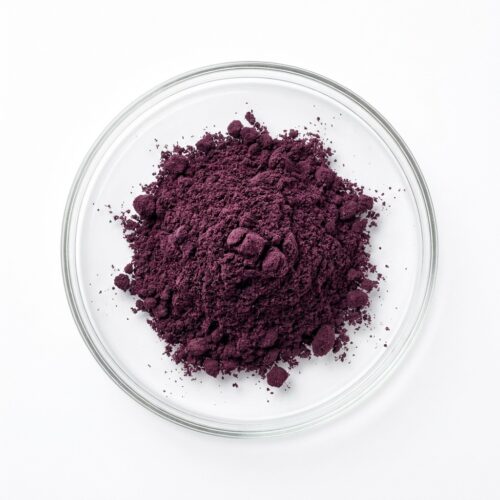
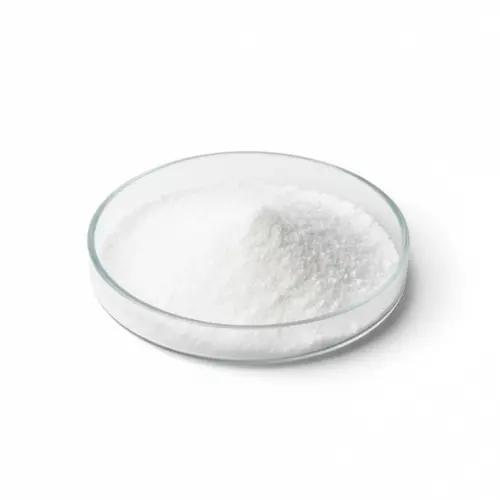
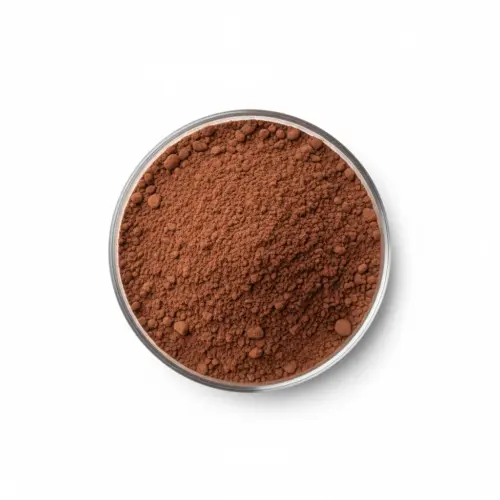
Non-Dairy Creamer (NDC) is a spray-dried fat-protein-carbohydrate composite designed to replicate the whitening, creaminess, and mouthfeel of dairy cream in hot and cold beverages without using milk-derived ingredients. Formulated from vegetable fat (palm or coconut), glucose syrup, sodium caseinate or plant protein, and emulsifiers, NDC is the most widely used beverage whitener in instant coffee, tea, and functional drink formulations across Asia.
Applications:
- Instant coffee and tea whitening and creaminess
- Functional beverage and supplement powder bases
- Meal replacement and nutritional shake formulations
- Beverage vending machine and OEM powder mixing
Key Features & Benefits:
- Excellent whitening and creaminess without dairy
- Hot and cold dispersibility — no clumping
- Neutral creamy flavour — compatible with all beverage bases
- Halal-certified — no animal-derived dairy
- Available in standard, high-fat, and low-fat grades
What is in a non-dairy creamer
Non-dairy creamer is a spray-dried emulsion of vegetable fat (usually palm kernel, palm or coconut oil) in a glucose syrup or maltodextrin base, with a protein to stabilise the fat droplets, emulsifiers, and buffering salts such as dipotassium phosphate that stop the creamer “feathering” (curdling) in hot, acidic coffee. Grades differ mainly in fat content, the type of fat and the protein used.
“Non-dairy” does not always mean milk-free
Many creamers use sodium caseinate as the protein. Caseinate is made from milk, so these creamers must be labelled as containing milk and are not suitable for people with milk allergy or for vegan products. If you need a milk-free product, ask for a grade made with plant protein and a declaration that it is free from milk. Emulsifiers such as mono- and diglycerides can be made from plant or animal fat, so make sure the halal certificate covers them.
Fat type and shelf life
Ask for the fatty acid profile and the trans fat content: hydrogenated fats were once common in creamers and some markets now restrict them. The fat can oxidise over time and give off-flavours, so check the shelf life and keep packs sealed and cool. For dairy-based alternatives see Skim Milk Powder and Whole Milk Powder; for foamy cappuccino mixes see Foaming Cream Mokate CB6.
What to ask for on the certificate of analysis
- Fat content and fat type (with fatty acid profile and trans fat)
- Protein content and source (sodium caseinate or plant protein); allergen declaration
- Moisture, bulk density and feathering test in hot coffee
- Peroxide value of the fat
- Heavy metals (lead, arsenic, cadmium, mercury)
- Microbiology: total plate count, yeast and mould, E. coli, Salmonella
- Batch number, manufacture and retest dates; compliance with the food additive specification of your market (for example JECFA or the Malaysian Food Regulations)