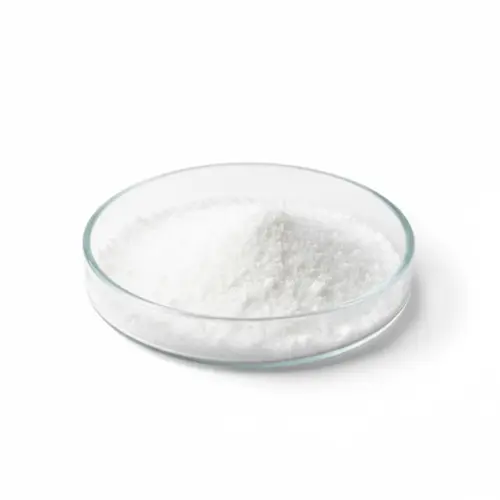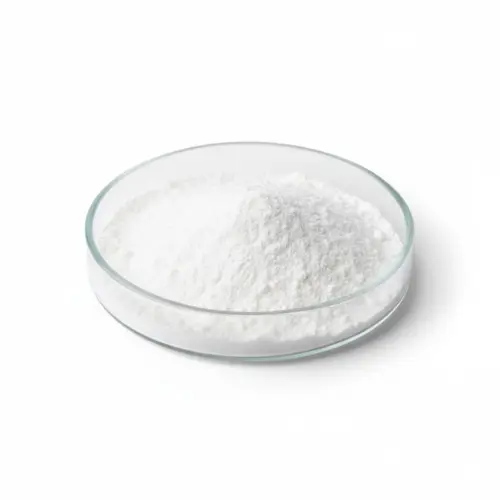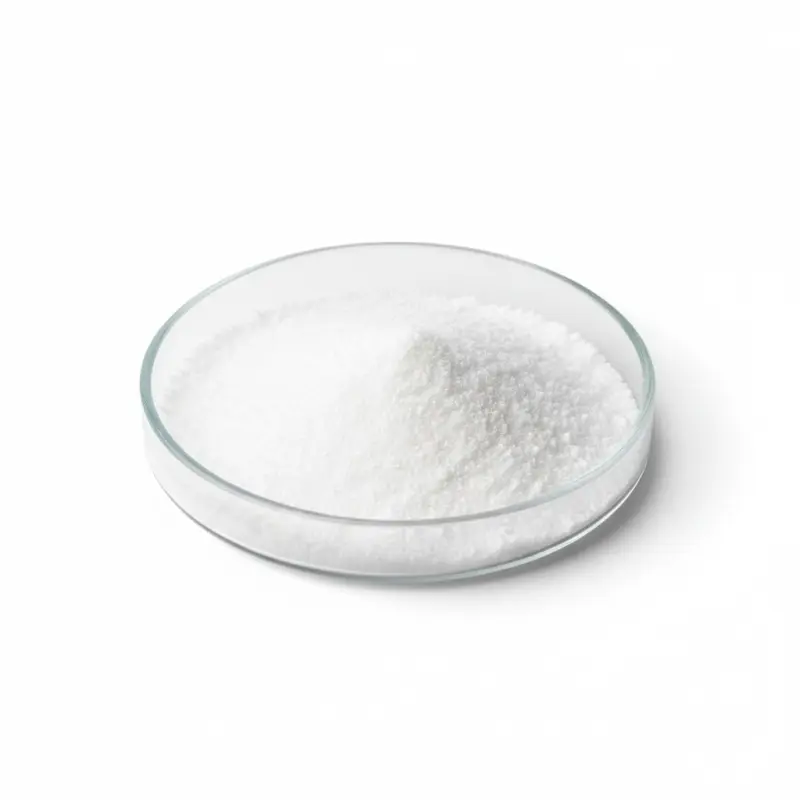
Aspartame Powder is a high-intensity, zero-calorie sweetener that delivers clean, sugar-like sweetness with up to 200 times the sweetness of sucrose. With a purity of 98.0–102.0%, this ingredient is ideal for food, beverage, and nutraceutical applications requiring reliable sweetness without added calories.
Certified Halal, our Aspartame Powder complies with international food safety standards, ensuring quality and consistency for manufacturers. It is especially valued in sugar-free, diet-friendly, and reduced-calorie formulations.
Applications:
-
Beverages (carbonated drinks, juices, powdered mixes)
-
Confectionery & Desserts (chewing gum, candies, puddings)
-
Dairy Products (yogurts, flavored milk, ice cream)
-
Nutraceuticals & Supplements (tablets, chewables, functional powders)
Key Features & Benefits:
-
✅ High purity: 98.0–102.0%
-
✅ 200x sweeter than sugar
-
✅ Zero-calorie sugar substitute
-
✅ Halal-certified, globally accepted
-
✅ Stable under storage & processing conditions
What it is
Aspartame (E951) is a dipeptide methyl ester made from aspartic acid and phenylalanine. It is about 200 times as sweet as sugar, so it is used at very low levels. The assay range on this page is the usual specification range for food-grade aspartame.
Labelling: phenylalanine
Because aspartame releases phenylalanine when digested, products containing it generally need a label statement for people with phenylketonuria (PKU). The exact wording is set by each market’s labelling rules.
Stability
Aspartame is stable as a dry powder but slowly breaks down in water, faster at high temperatures and outside its most stable pH range (around pH 4–5). Breakdown produces diketopiperazine and other compounds and causes a loss of sweetness. It is therefore less suited to baked goods and long-life neutral drinks. Blends with other sweeteners, such as Sucralose or Stevioside, are common.
Safety reviews
Aspartame has been reviewed many times. In 2023 the IARC classified it as “possibly carcinogenic to humans” (Group 2B), a hazard rating, while the joint FAO/WHO expert committee (JECFA) kept its acceptable daily intake of 40 mg/kg body weight. Brands should follow the current position of the regulator in each market.
What to ask for on the certificate of analysis
- Specification (e.g. JECFA, FCC, USP)
- Assay on the dried basis and loss on drying
- Specific rotation
- Diketopiperazine (5-benzyl-3,6-dioxo-2-piperazineacetic acid) and other related substances
- Heavy metals and residue on ignition
- Particle size (powder or granular grade)
- Halal certificate, batch number, manufacture and retest dates