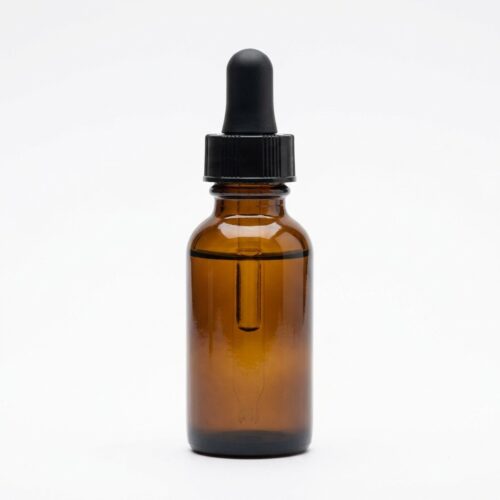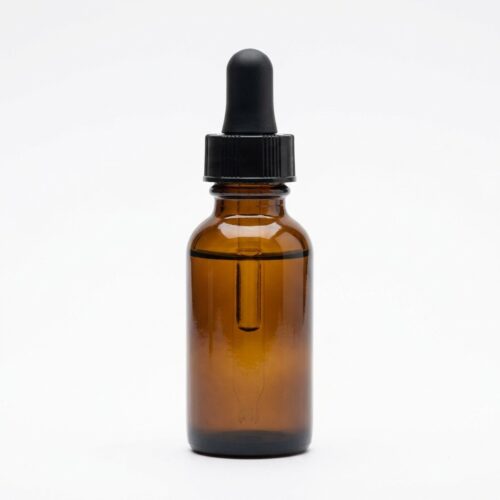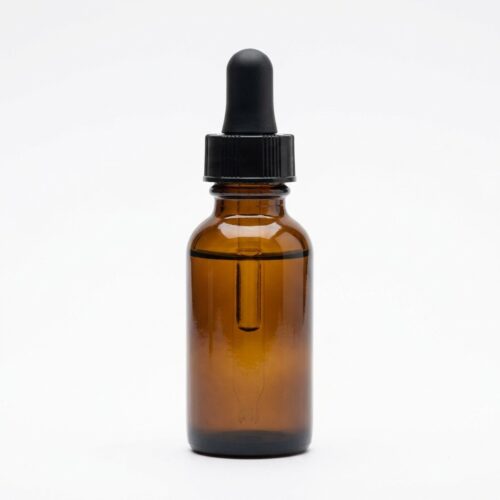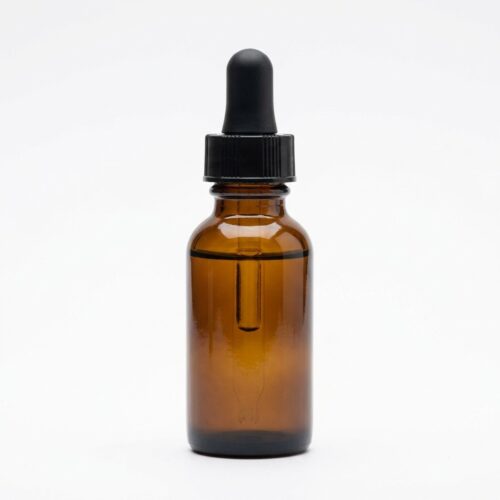
Oregano Essential Oil is a therapeutic-grade oil steam-distilled from the dried aerial parts of Origanum vulgare (wild oregano), presenting as clear white to light yellowish. Rich in carvacrol (60–80%) and thymol, Oregano Oil is widely regarded as one of the most potent natural antimicrobial essential oils available — with carvacrol demonstrating broad-spectrum antibacterial, antifungal, antiviral, and antiparasitic activity in extensive research. It is the most clinically studied essential oil for natural antibiotic-like applications and immune support.
Applications:
- Nutraceuticals (natural antibiotic alternative capsules, immune support, antifungal supplements)
- Natural Cleaning (powerful antimicrobial surface cleaning formulations)
- Aromatherapy (immune-boosting, respiratory support, warming diffuser blends)
- Personal Care (antifungal nail treatments, antimicrobial scalp and skin formulations)
Key Features & Benefits:
- Clear white to light yellowish – authentic therapeutic-grade oregano oil
- No animal substance – suitable for vegan and Halal-compliant formulations
- High carvacrol – most potent natural broad-spectrum antimicrobial essential oil
- Clinically studied for natural antibiotic-like immune support applications
- Powerful antifungal and antiviral properties for personal care and cleaning
“Oregano oil” is a trade name, not a botanical one
Several unrelated plants are distilled and sold as oregano. Origanum vulgare is the true oregano; Origanum onites and Thymus capitatus (Spanish oregano) are also traded under the name, and they differ in the carvacrol-to-thymol balance that determines both the aroma and the activity profile. A formulation developed on one will not reproduce on another, and price differences between them are substantial. Put the botanical name on the purchase order.
Two further figures are worth reading on the chromatogram. p-Cymene and gamma-terpinene are the biosynthetic precursors of carvacrol; when they are unusually high and carvacrol is correspondingly low, the material was generally harvested early or from poorly developed plants. That pattern is visible on the GC-MS and invisible on a summary sheet quoting carvacrol alone.
Handling: this is a phenolic oil
Carvacrol and thymol are phenols, and oregano oil behaves accordingly — it is a strong skin and mucous-membrane irritant undiluted, and like clove oil it attacks some plastics and rubber, so glass, stainless steel or lined equipment and compatible seals are required. It is used at low inclusion heavily diluted rather than neat, and the level should be set against the regulatory position for the product type in your market.
Where the finished product is an ingestible supplement, note that the safety and dosing literature for oral carvacrol is not the same as the topical position, and it is the one that governs.
What to ask for on the certificate of analysis
- Botanical species, stated in full rather than as “oregano”.
- GC-MS with carvacrol and thymol reported separately, plus p-cymene and gamma-terpinene.
- Optical rotation, refractive index and specific gravity.
- Peroxide value, country of origin and distillation date.
- Confirmation the oil is neither redistilled nor blended with thyme oil.