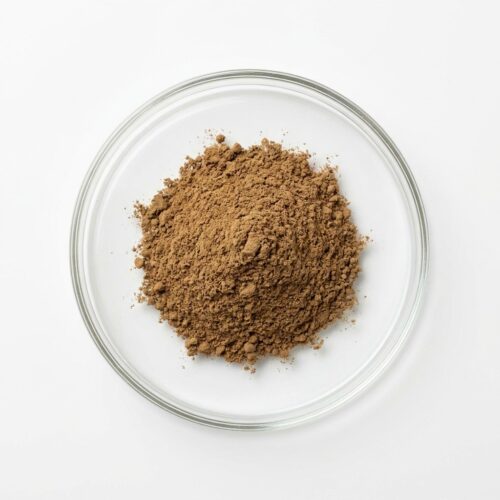
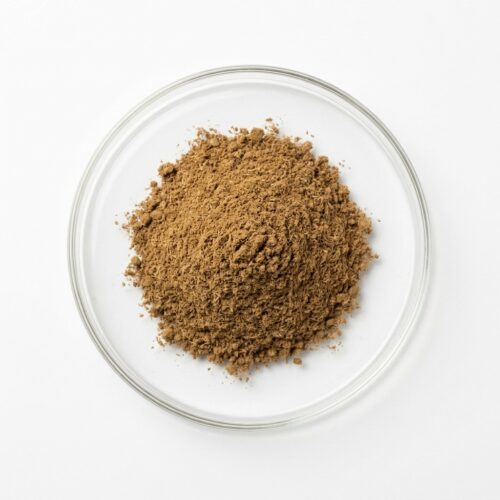
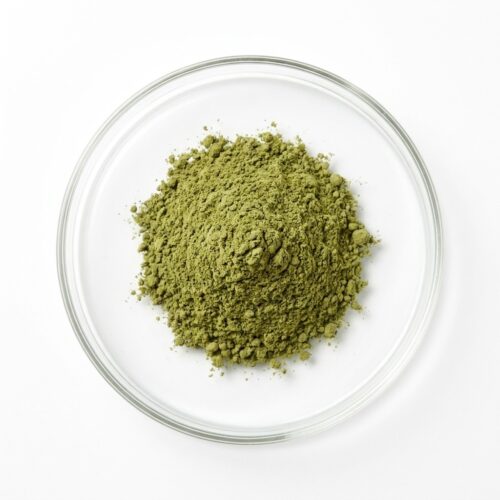
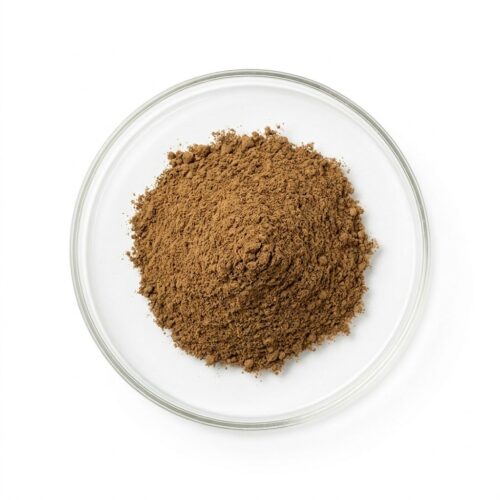
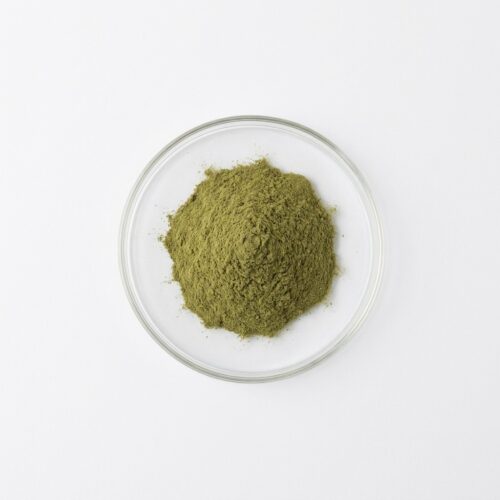
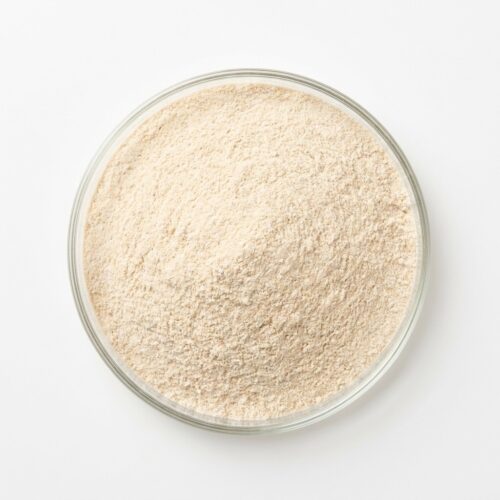
Red Beet Powder (Beta vulgaris) is produced from dried red beetroot, one of the richest natural sources of inorganic nitrate, betalain pigments (betacyanins and betaxanthins), and folate. Dietary nitrate from beetroot is converted to nitric oxide via the entero-salivary pathway, delivering clinically validated improvements in exercise performance, blood pressure reduction, and endothelial function.
Applications:
- Sports performance and endurance supplement formulations
- Pre-workout and nitric oxide booster products
- Cardiovascular health and blood pressure management
- Natural red food colourant for functional beverages
Key Features & Benefits:
- High dietary nitrate — clinically proven nitric oxide precursor
- Improves exercise economy and VO2 max
- Betalain pigments — potent antioxidant and natural red colourant
- No animal substance – halal-certified
- Clean earthy-sweet flavour suitable for functional food formulations
Nitrate content varies a lot
The inorganic nitrate in beetroot depends on the variety, soil, season and how the roots were dried. Two beet powders can differ widely in nitrate, and most published studies used beetroot juice with a stated nitrate dose rather than whole powder. If nitrate is part of your product story, ask for nitrate content per gram on the COA (ion chromatography or HPLC) and check it in each batch.
Colour: betalains are sensitive
The red colour comes from betalains, mainly betanin. Betanin fades with heat, light, oxygen and high water activity, and holds best in mildly acidic products. For drinks and gummies, check colour stability through your shelf life and protect finished goods from light. Betalains can colour urine and stools red, which some consumers find alarming; consider a note on the label.
Formulation notes
Beet powder is earthy and sweet, and its natural sugars make it hygroscopic, so keep packs sealed and check flow in capsule filling. In sports formats it is often combined with L-Carnitine Base or Guarana Extract.
What the research says
- A 2024 meta-analysis of 11 randomised trials (349 people with hypertension) found that beetroot juice lowered clinic systolic blood pressure by about 5.3 mmHg compared with placebo. It had no significant effect on diastolic or 24-hour blood pressure. Daily nitrate doses were 200–800 mg. The authors rated the certainty of evidence as low. [1]
- A 2026 meta-analysis of 38 studies (703 healthy adults) found a small improvement in VO₂max/VO₂peak with beetroot juice (standardised mean difference 0.24). The effect was clearer in recreationally active people than in highly trained athletes, and it shrank after adjustment for possible publication bias. [2]
- A 2026 meta-analysis of 23 randomised trials (401 healthy adults) found improved time to peak power and handgrip strength, but no effect on jump height, sprint times, peak or mean power, or perceived exertion. Certainty was low to very low, and the authors do not support routine use for sprint performance. [3]
These summaries describe published research on the ingredient. They are not claims for any finished product; claims on finished products must meet the rules of the market where they are sold.
References
- Grönroos R, et al. Effects of beetroot juice on blood pressure in hypertension according to European Society of Hypertension Guidelines: a systematic review and meta-analysis. Nutr Metab Cardiovasc Dis. 2024;34(10):2240-2256. doi:10.1016/j.numecd.2024.06.009
- Qin G, Kim S. Effects of beetroot juice supplementation on maximal oxygen uptake during aerobic exercise: a systematic review and meta-analysis. Front Nutr. 2026;13:1858216. doi:10.3389/fnut.2026.1858216
- Eroglu MN, et al. The effects of beetroot juice supplementation on performance and fatigue during single and repeated sprints: a systematic review and meta-analysis. Nutrients. 2026;18(15):2513. doi:10.3390/nu18152513
What to ask for on the certificate of analysis
- Botanical name and plant part (Beta vulgaris root), and any carrier with its percentage
- Nitrate content (mg/g) with the test method, if nitrate is specified
- Colour value or betanin content, if colour is specified
- Particle size (mesh)
- Loss on drying, heavy metals (lead, arsenic, cadmium, mercury) and pesticide residues
- Microbiology: total plate count, yeast and mould, E. coli, Salmonella
- Batch number, manufacture and retest dates