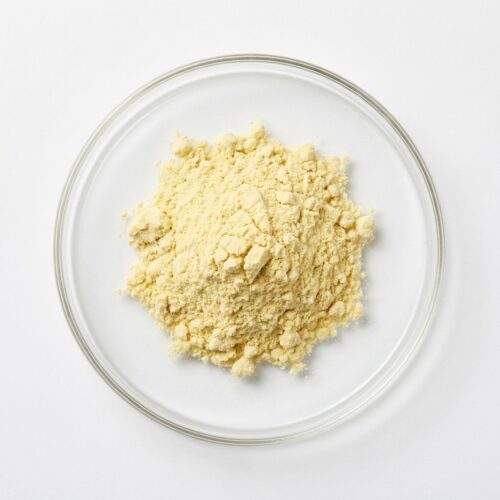
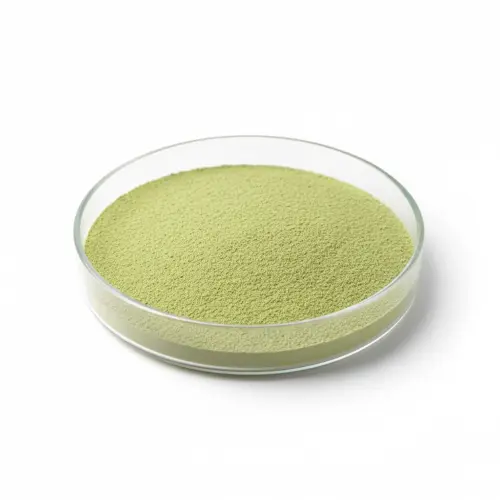
Sour Plum Powder is a premium flavoring powder derived from dried sour plums (asam boi), capturing the distinctively tangy, sweet-sour flavor profile beloved in Malaysian and Southeast Asian food culture. This Halal-certified ingredient delivers authentic sour plum taste in a convenient, shelf-stable powdered form suitable for a wide range of food and beverage applications.
Valued for its unique tartness, natural malic acid content, and appetite-stimulating properties, Sour Plum Powder is a popular flavoring agent in beverages, snacks, and traditional confectionery. It blends well with other fruit flavors and performs consistently in both wet and dry applications.
Applications:
- Beverages (sour plum drinks, asam boi water, flavored drink mixes)
- Confectionery (plum-flavored candies, gummies, lollipops)
- Snacks & Seasonings (coated nuts, fruit roll-ups, seasoning blends)
- Sauces & Condiments (plum sauce, dipping sauces, marinades)
Key Features & Benefits:
- ✅ Authentic sweet-sour sour plum (asam boi) flavor
- ✅ Natural tartness from malic and citric acids
- ✅ Popular in Southeast Asian food and beverage formulations
- ✅ Halal-certified & food-grade quality
- ✅ Versatile across snacks, beverages, sauces, and confectionery
What is in sour plum powder
Sour plum (asam boi) is a plum that has been salted, dried and often sweetened. Its sour taste comes mainly from citric and malic acids. Commercial sour plum products frequently also contain salt, sugar, liquorice and sometimes artificial sweeteners or colours, so ask for the full ingredient breakdown of the powder and make sure every component is declared on your label.
Salt and labelling
Because the fruit is salted, sour plum powder can add noticeable sodium to a drink or snack. Ask for the sodium content so you can calculate the nutrition panel, and check whether any sweetener or colour used is permitted in your product category.
Formulation notes
Sour plum pairs well with lime and citrus flavours in drinks and with dried fruit and nuts in snack coatings. To balance sourness, use sodium citrate as a buffer or citric acid to raise tartness.
What to ask for on the certificate of analysis
- Full ingredient breakdown (plum, salt, sugar, sweeteners, colours)
- Sodium, sugars, acidity and moisture
- Sweeteners and colours by test, if declared
- Heavy metals (lead, arsenic, cadmium, mercury)
- Microbiology: total plate count, yeast and mould, E. coli, Salmonella
- Batch number, manufacture and retest dates; compliance with the food additive specification of your market (for example JECFA or the Malaysian Food Regulations)