
Long before pumpkin spice took over every fall menu, the pumpkin’s seeds were quietly doing far more interesting work in traditional medicine and modern supplement formulation alike. Pumpkin seed extract has become a staple ingredient in men’s and women’s health supplements for reasons that have little to do with pie.
What Is Pumpkin Seed Extract?
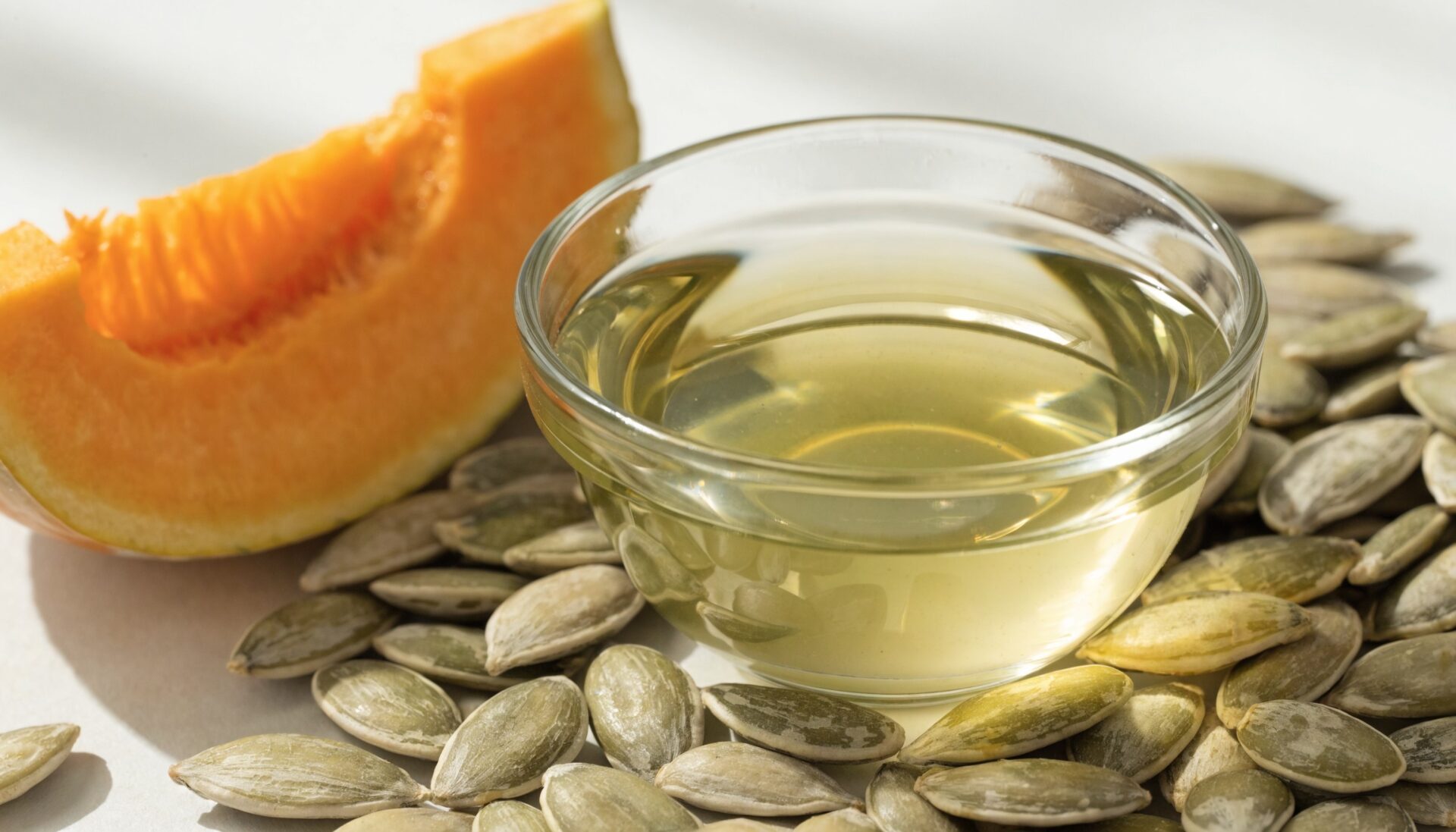
Pumpkin seed extract is a concentrated form of the bioactive compounds found in pumpkin (Cucurbita pepo) seeds, including phytosterols, essential fatty acids, zinc, and antioxidants like beta-carotene. It’s typically produced by cold-pressing or solvent-extracting the seeds, then further concentrating the active fractions. A distinct water-soluble form of the extract is also produced specifically for bladder and urinary applications, separate from the more familiar cold-pressed pumpkin seed oil, which retains more of the fatty acid profile in a less concentrated form.
Key Health Benefits
Urinary and Bladder Support
Water-soluble pumpkin seed extract is specifically studied for supporting the structural integrity of the bladder and the function of the urethral sphincter muscle, making it a common ingredient in formulations targeting overactive bladder and general urinary discomfort in aging adults.
Prostate Health
Pumpkin seed extract is one of the most studied natural ingredients for supporting urinary and prostate health, commonly used as a natural approach for symptoms associated with benign prostatic hyperplasia (an enlarged prostate).
Hair Health
The phytosterols in pumpkin seed extract are believed to help block the conversion of testosterone to DHT (dihydrotestosterone), the hormone most associated with pattern hair thinning, which has led to its inclusion in a growing number of hair growth and scalp health supplements.
Antioxidant and Skin Support
Rich in vitamin E and carotenoids, pumpkin seed extract contributes antioxidant activity that supports skin health. A hydrolyzed topical form is also used in cosmetic formulations to stimulate collagen synthesis and improve skin smoothness and elasticity.
Common Forms Used in Formulation
- Standardized softgel or capsule extract for men’s and women’s health supplements
- Water-soluble extract specifically formulated for urinary and bladder health products
- Powdered extract for functional food and beverage fortification
- Hydrolyzed topical extract for skincare formulations targeting firmness and smoothness
- Cold-pressed pumpkin seed oil, a related but distinct product with a broader fatty acid profile
Sourcing and Quality Considerations for Manufacturers
Buyers should request a certificate of analysis confirming phytosterol content, along with documentation distinguishing whether the product is a true concentrated extract, a water-soluble urinary-health-specific form, or a standard cold-pressed oil, since these are often marketed interchangeably despite different potency profiles and applications. Non-GMO sourcing and solvent residue testing are also worth confirming, particularly for extracts intended for supplement capsules.
Safety and Side Effects
Pumpkin seed extract is generally well tolerated, with mild digestive upset reported occasionally at high doses. Those with pumpkin or seed allergies should avoid it. Because pumpkin seed oil can lower blood pressure, individuals taking blood pressure medication should consult a healthcare provider before use. As with any specialty ingredient intended for hormone-related applications, individuals on hormone-sensitive medications should also seek professional guidance before use.
Frequently Asked Questions
What is pumpkin seed extract used for?
It’s primarily used to support prostate and urinary/bladder health, and increasingly in hair growth supplements and topical skincare formulations for its antioxidant and collagen-supporting properties.
Are pumpkin seeds good for urinary problems?
Yes, water-soluble pumpkin seed extract in particular is studied for supporting bladder structure and urethral sphincter function, making it a common ingredient in overactive bladder support formulas.
Who should not take pumpkin seed extract?
Those with pumpkin or seed allergies should avoid it, and individuals on blood pressure medication should consult a healthcare provider, since pumpkin seed extract may have a mild blood-pressure-lowering effect.
What is the difference between pumpkin seed extract and pumpkin seed oil?
Pumpkin seed oil is typically cold-pressed and retains a broad fatty acid profile, while pumpkin seed extract is more concentrated, isolating specific bioactive compounds like phytosterols for targeted use in supplements, with a distinct water-soluble form used specifically for urinary health.
Sourcing pumpkin seed extract for your formulation?
FC Materials supplies standardized pumpkin seed extract for supplement and personal care manufacturing. Tell us your product needs and our team will respond with specs, pricing, and MOQ.