
Extra virgin olive oil is the least processed, most flavorful grade of olive oil, and the centerpiece of the Mediterranean diet’s health reputation. With “olive oil benefits” drawing over 12,000 monthly searches and extra virgin specifically adding another 5,000, it remains one of the most consistently researched and consumed functional oils in the world.
What Is Extra Virgin Olive Oil?
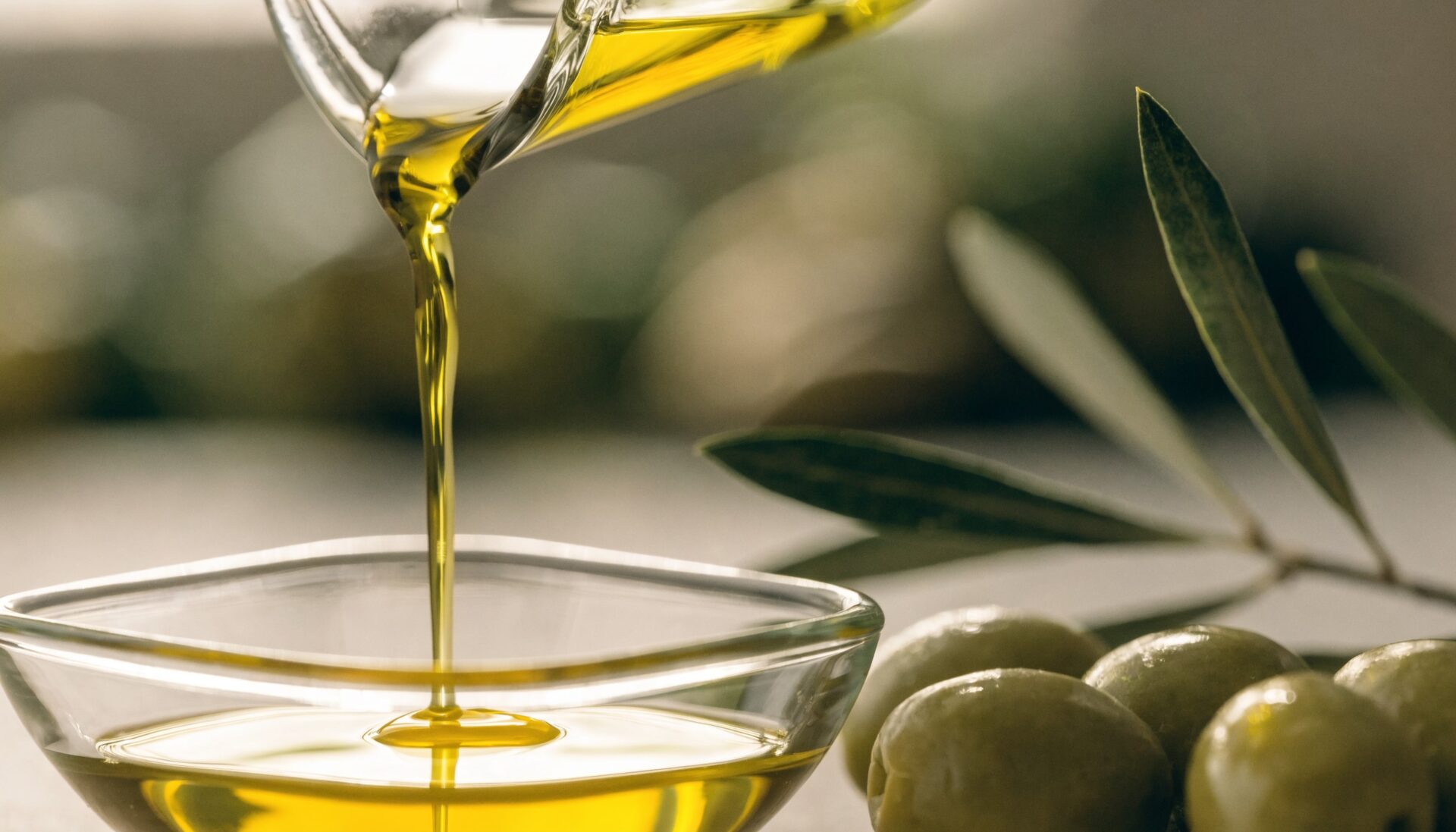
Extra virgin olive oil (EVOO) is oil extracted from olives using mechanical pressing alone, without heat or chemical solvents, and meeting strict acidity and sensory quality standards. This distinguishes it from regular or “light” olive oil, which may be refined or blended, and it’s what preserves the polyphenol content responsible for much of olive oil’s studied health effects. For formulation purposes, EVOO can be used as-is or further processed into olive polyphenol extract for supplement applications.
Key Health Benefits of Extra Virgin Olive Oil
Heart Health
Extra virgin olive oil’s monounsaturated fat and polyphenol content is the foundation of its heart-health reputation, and it’s one of the most extensively studied functional foods in cardiovascular research, underpinning its central role in the Mediterranean diet. Research has linked regular EVOO intake to healthier LDL cholesterol levels and improved blood pressure regulation.
Antioxidant and Anti-Inflammatory Activity
EVOO contains oleocanthal, a polyphenol studied for anti-inflammatory activity often compared functionally to mild NSAID effects, alongside broader antioxidant effects distinct from its fat content alone. These polyphenols are concentrated in unrefined, fresh oil and degrade with heat, light, and time.
Brain and Cognitive Support
EVOO’s polyphenols help combat oxidative stress in the brain, and observational research has associated regular olive oil consumption with a lower risk of cognitive decline over time, though this remains an active area of nutritional research.
Skin and Hair Health
Olive oil benefits for skin and hair are among the largest specific search categories for this ingredient, spanning both ingestible and topical use. Topically, EVOO’s squalene and vitamin E content make it an effective moisturizer that can help soothe irritated skin and support the skin barrier.
How to Use EVOO for Maximum Polyphenol Benefit
Because heat degrades olive oil’s delicate polyphenols over time, nutrition guidance generally favors using unrefined extra virgin olive oil as a finishing oil, in salad dressings, or in dips rather than at very high cooking temperatures. That said, EVOO’s smoke point is high enough for most typical home cooking; the loss is a matter of degree rather than an on/off effect.
Common Forms Used in Formulation
- Cold-pressed extra virgin olive oil, used directly in food products, functional oil blends, and as a carrier oil in softgel supplements
- Olive leaf extract, a related but distinct ingredient standardized for oleuropein content, used where a concentrated polyphenol claim is needed without the oil’s fat content
- Olive fruit polyphenol extract, a specialty ingredient concentrating EVOO’s polyphenols for supplement use in a lower-fat format
Sourcing and Quality Considerations for Manufacturers
EVOO quality is defined by acidity level (true extra virgin must meet a strict maximum), harvest date, and polyphenol content, all of which are affected by olive variety, growing region, and how quickly olives are pressed after harvest. Manufacturers should request certificates of analysis for acidity and polyphenol content, along with harvest date, since olive oil’s beneficial compounds degrade over time and with poor storage.
Safety and Side Effects
Extra virgin olive oil is well tolerated and broadly recognized as safe, with no meaningful safety concerns at typical dietary use. As a calorie-dense fat, it’s worth accurate labeling in any weight-management-adjacent product context, and concentrated olive polyphenol extracts should carry standard guidance for anyone on blood-thinning medication, given some studied interactions.
Frequently Asked Questions
Is a spoonful of olive oil a day actually good for you?
For most people, 1 to 2 tablespoons of EVOO daily, incorporated into meals rather than taken as a standalone “shot,” is the intake level most associated with the Mediterranean diet’s studied cardiovascular and anti-inflammatory benefits.
Does cooking with olive oil destroy its health benefits?
High-heat cooking can degrade some of olive oil’s polyphenol content over time, though EVOO’s smoke point is high enough for most typical home cooking applications; for maximum polyphenol retention, formulators and consumers alike often favor unheated use as a finishing oil.
Is there a downside to olive oil?
Olive oil is calorie-dense, so portion awareness matters in weight-management contexts, and concentrated olive polyphenol extracts may interact with blood-thinning medications, warranting a consult with a healthcare provider for those on anticoagulants.
Is olive leaf extract the same as olive oil?
No. Olive leaf extract is derived from the plant’s leaves and standardized for oleuropein, a different polyphenol profile than the oil itself, making it a distinct ingredient choice for concentrated polyphenol claims.
Sourcing extra virgin olive oil or olive extract for your formulation?
FC Materials supplies extra virgin olive oil and olive-derived extracts to food, cosmetic, and supplement manufacturers. Tell us your product needs and our team will respond with specs, pricing, and MOQ.