
Turmeric is the golden-orange spice behind curry’s signature color, and also one of the most heavily searched health ingredients in the world, with “turmeric benefits” alone drawing well over 100,000 monthly searches. Long used in Ayurvedic and traditional Asian medicine, turmeric’s modern popularity centers on curcumin, the compound responsible for both its color and most of its studied health effects.
What Is Turmeric?
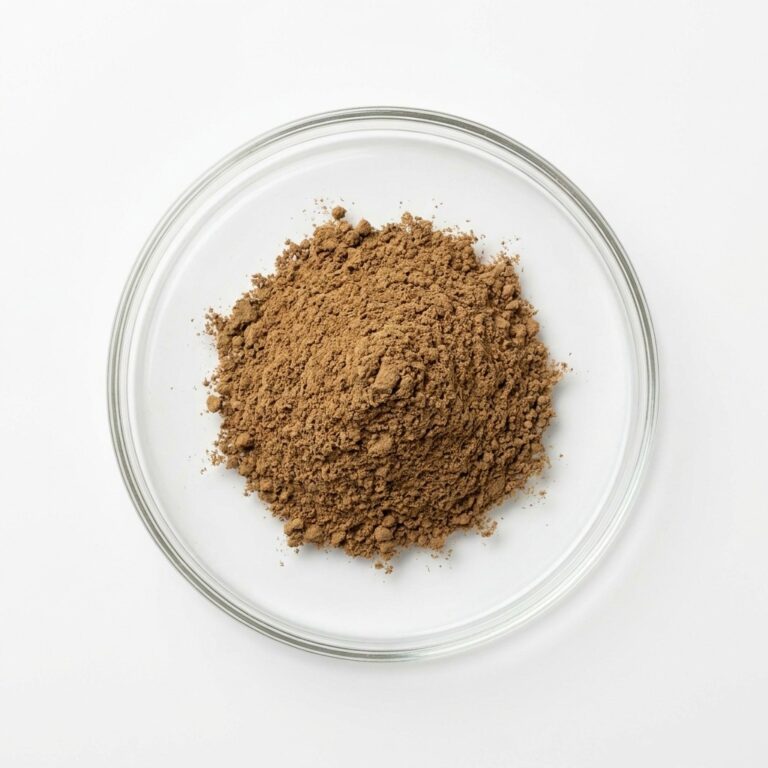
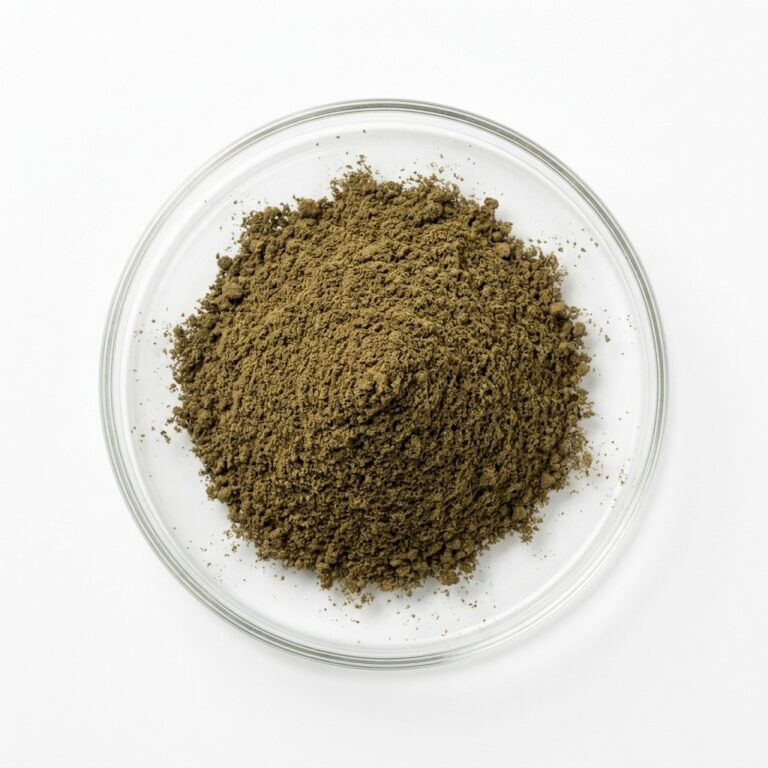
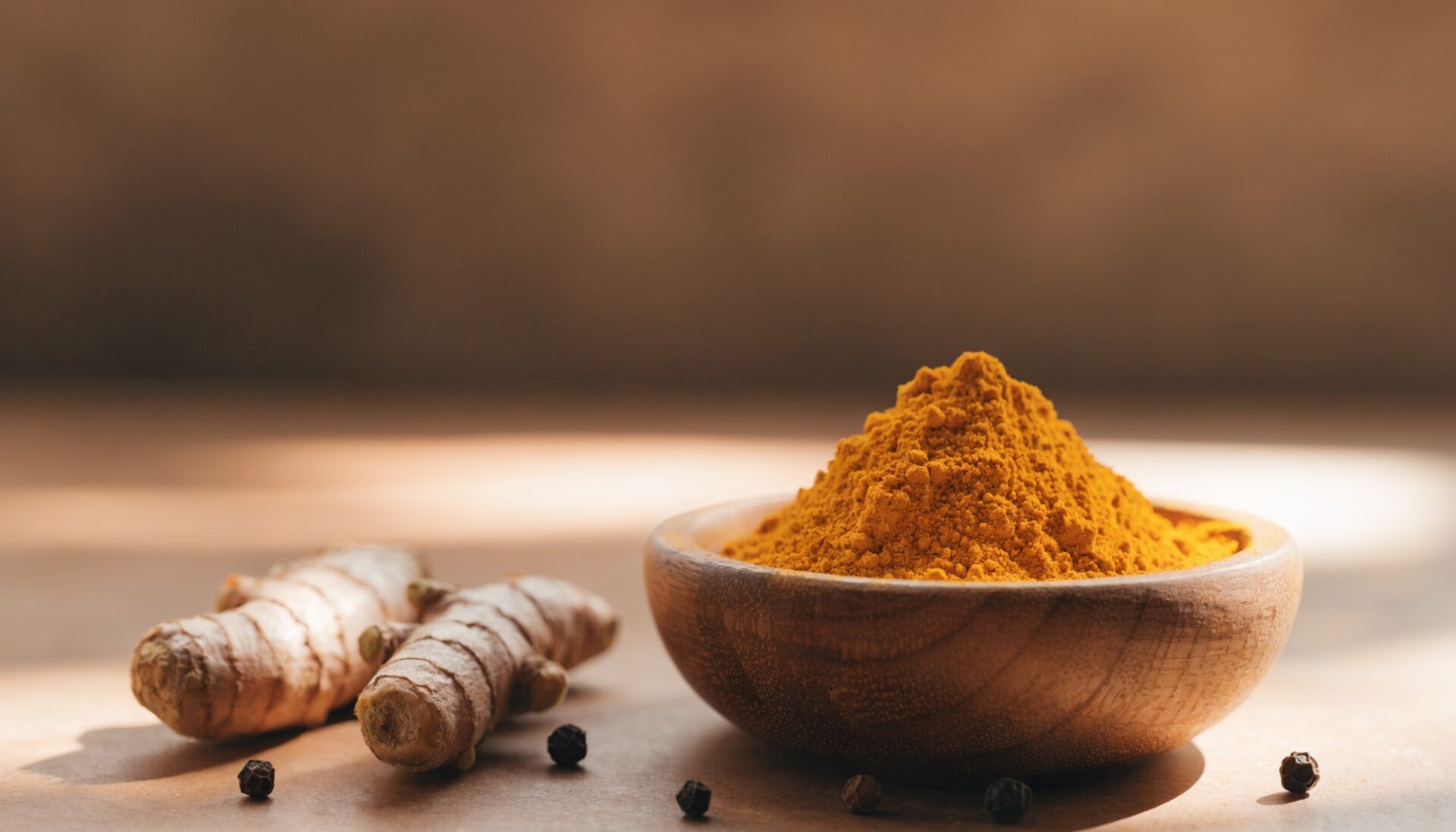
Turmeric (Curcuma longa) is a rhizome, a root-like underground stem, in the ginger family, native to South and Southeast Asia. The fresh root is dried and ground into the familiar bright yellow-orange powder used in cooking and traditional medicine. For supplement and food applications, turmeric is available as whole powder, standardized extract (concentrated for curcuminoid content), and increasingly as enhanced-bioavailability formats designed to address curcumin’s naturally poor absorption.
Key Health Benefits of Turmeric
Anti-Inflammatory and Antioxidant Activity
Curcumin is turmeric’s primary active compound and one of the most studied plant compounds for its anti-inflammatory and antioxidant properties, which underpins the large majority of turmeric’s supplement positioning, from joint health to general wellness.
Joint and Mobility Support
Turmeric’s anti-inflammatory reputation has made it one of the most common ingredients in joint-health and mobility-focused supplements, often paired with glucosamine, chondroitin, or boswellia. Human studies have found curcumin can reduce joint pain and stiffness in osteoarthritis, with some research suggesting effects comparable to certain NSAID medications.
Brain and Cognitive Support
Curcumin may increase brain-derived neurotrophic factor (BDNF), a protein linked to improved memory and a potentially lower risk of age-related cognitive decline, an area of active ongoing research.
Blood Sugar Regulation
Clinical research indicates curcumin supplementation may help reduce fasting blood sugar, insulin resistance, and HbA1c levels, making it of interest for metabolic health formulations.
Maximizing Curcumin Absorption
Curcumin is poorly absorbed by the body on its own. Piperine, the active compound in black pepper, has been shown to increase curcumin’s bioavailability dramatically when combined, which is why the large majority of curcumin supplements on the market include piperine or a comparable bioavailability-enhancing delivery system. Curcumin is also fat-soluble, so pairing it with a meal containing healthy fats further improves absorption.
Common Forms Used in Formulation
- Whole turmeric powder, used in food, beverage, and traditional-style capsule formulations, though with relatively low natural curcumin concentration (typically 2-5%)
- Standardized curcumin extract, concentrated to a specific curcuminoid percentage (commonly 95%), the preferred format for supplements making a specific health claim
- Enhanced-bioavailability formats, such as curcumin paired with piperine (black pepper extract) or lipid-based delivery systems, addressing curcumin’s naturally poor absorption on its own
Sourcing and Quality Considerations for Manufacturers
Curcuminoid content, typically standardized to 95%, is the primary quality benchmark for turmeric extract, alongside confirmation of the bioavailability-enhancement method used (piperine co-formulation is the most common and well-studied approach). Manufacturers should also request heavy metal testing, since turmeric root has occasionally been flagged in supply chain audits for lead contamination tied to certain processing practices, making supplier due diligence particularly important for this ingredient.
Safety and Side Effects
Turmeric is well tolerated by most people at typical culinary and supplemental doses; the WHO recommends staying under roughly 3 mg per kg of body weight per day as a general guideline. At higher supplemental doses (some research flags intakes above 8 grams per day), some people report digestive upset, and there is an associated increase in kidney stone risk. Turmeric can interact with blood-thinning medications and, in rare cases, affect liver enzyme levels at high doses, so products should carry standard guidance to consult a healthcare provider, particularly for concentrated extract formats rather than culinary use.
Frequently Asked Questions
What happens when you take turmeric every day?
At typical culinary or standard supplemental doses, daily turmeric is generally well tolerated and may support joint comfort, antioxidant status, and inflammation markers over time; very high supplemental doses carry a greater risk of digestive upset and kidney stones.
What cannot be mixed with turmeric?
Turmeric or concentrated curcumin should be used cautiously alongside blood-thinning medications due to a possible additive effect on bleeding risk, and very high doses should be avoided in people with a history of kidney stones or gallbladder issues without medical guidance.
Why is turmeric often paired with black pepper?
Piperine, the active compound in black pepper, has been shown to significantly increase curcumin absorption in the body, which is why most curcumin supplements include piperine or a similar bioavailability-enhancing ingredient.
Is turmeric safe to take daily?
Turmeric is generally considered safe for daily use at typical culinary and supplemental doses, though anyone on blood-thinning medication or with liver or kidney concerns should consult a healthcare provider before taking concentrated extract.
Sourcing turmeric or curcumin extract for your formulation?
FC Materials supplies turmeric powder and standardized curcumin extract to supplement, nutraceutical, and food manufacturers. Tell us your product needs and our team will respond with specs, pricing, and MOQ.