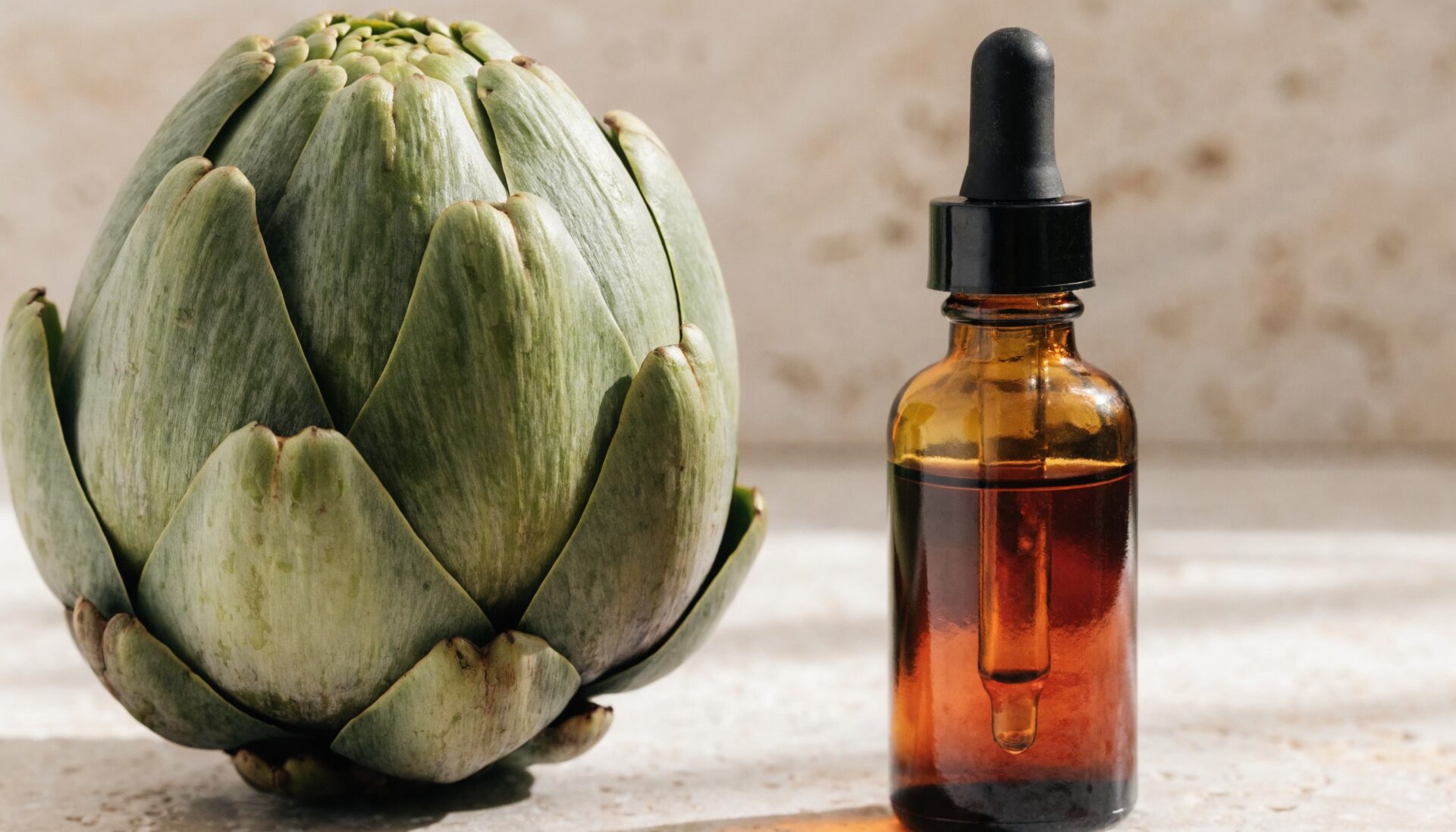

Long before it showed up as a dip at parties, the artichoke had a quieter reputation as a traditional liver and digestive remedy across Mediterranean and European herbal medicine. That reputation has held up well enough that artichoke leaf extract remains one of the more consistently formulated liver-support ingredients in the supplement industry today.
What Is Artichoke Extract?
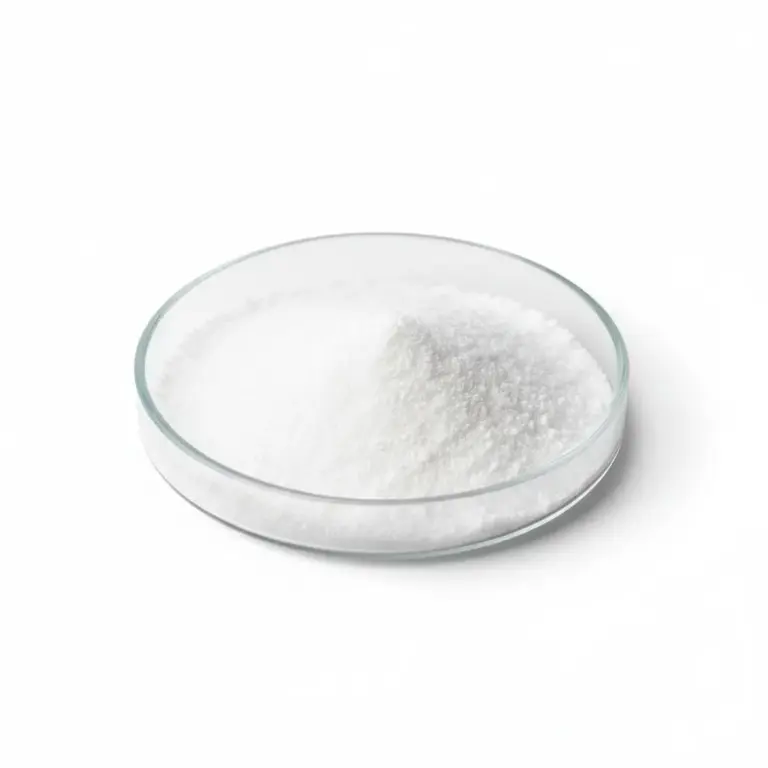
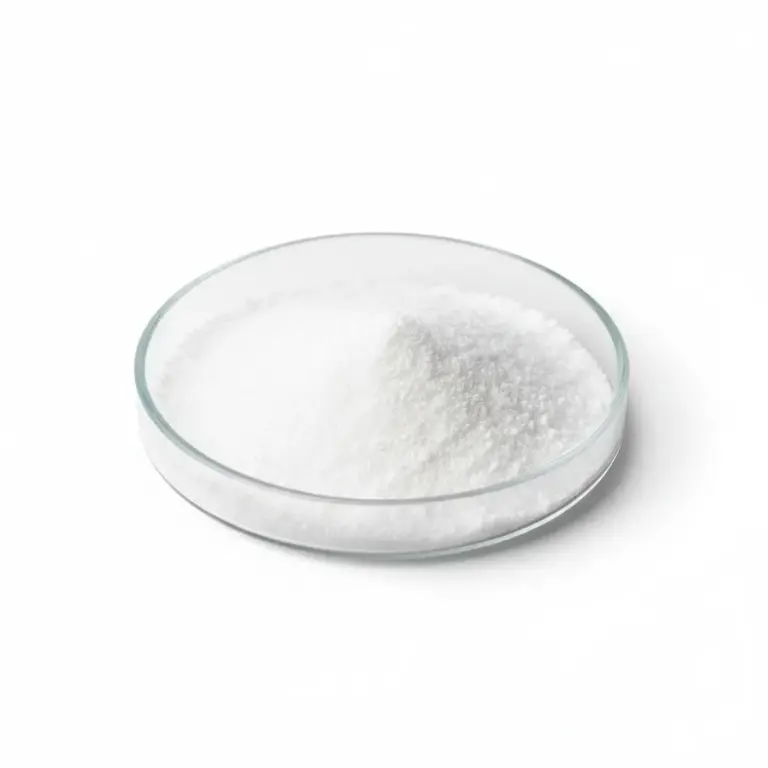
Artichoke extract is derived from the leaves of the globe artichoke (Cynara scolymus), not the edible flower bud most people associate with the vegetable. The leaves contain cynarin and chlorogenic acid, phytochemicals believed to support liver function and digestion, along with a range of antioxidant flavonoids. Commercial extract is typically standardized for cynarin or total caffeoylquinic acid content and supplied as a powder for capsules, tablets, and liquid formulations.
Key Health Benefits
Liver Support
Artichoke extract’s most established use is supporting liver function, largely through its effect on bile production. Increased bile flow supports the liver’s role in digestion and the elimination of metabolic byproducts, which is why artichoke extract is a common ingredient in liver-support and detox-positioned supplements.
Digestive Comfort
By promoting bile production, artichoke extract supports the breakdown of dietary fats and may help ease bloating, indigestion, and occasional heartburn, particularly after fatty meals.
Cholesterol Support
Clinical research has studied artichoke extract’s potential to help lower total and LDL cholesterol while modestly raising HDL (“good”) cholesterol, contributing to its positioning in heart-health-adjacent formulations.
Antioxidant Activity
Artichoke leaves are a source of flavonoid antioxidants that help neutralize oxidative stress, complementing its more established liver and digestive applications.
Common Forms Used in Formulation
- Standardized leaf extract powder for capsules and tablets, the most common supplement format
- Liquid tincture or extract, used in liver-support drops and traditional herbal formulations
- An ingredient in combination liver-support blends, often paired with milk thistle or dandelion root
Sourcing and Quality Considerations for Manufacturers
Buyers should request a certificate of analysis specifying cynarin or total caffeoylquinic acid content, the standard markers used to standardize potency, along with heavy metal and microbiological testing. Because artichoke leaf extract’s active compound levels vary by harvest time and processing method, working with a supplier who documents batch-to-batch standardization matters for consistent finished-product claims, particularly for liver-health positioning where potency credibility is closely scrutinized by consumers.
Safety and Side Effects
Artichoke extract is generally well tolerated. Because it stimulates bile flow, it should be avoided by people with bile duct obstruction or gallstones without medical guidance, since increased bile production could worsen these conditions. Those allergic to related plants in the daisy family (ragweed, marigolds, chrysanthemums) should also be cautious, as cross-reactivity is possible. As with any liver-focused supplement, individuals with existing liver disease should consult a healthcare provider before use.
Frequently Asked Questions
Is artichoke extract actually good for your liver?
Research supports its traditional use for liver support, primarily through increased bile production that aids digestion and the elimination of metabolic byproducts, though it should complement, not replace, medical treatment for diagnosed liver conditions.
How much artichoke extract should be taken for liver support?
Clinical studies have used a range of doses depending on the standardized extract’s potency; finished products should follow the dosing validated for their specific cynarin or caffeoylquinic acid standardization rather than a one-size-fits-all amount.
Who should not take artichoke extract?
People with bile duct obstruction or gallstones should avoid artichoke extract without medical guidance, and those with allergies to ragweed or related daisy-family plants should use caution due to possible cross-reactivity.
Can artichoke extract help with weight loss?
Some formulations position artichoke extract for weight management based on its digestive and bile-supporting properties, though it functions best as a supporting ingredient within a broader formulation rather than a standalone weight-loss solution.
Sourcing artichoke extract for your formulation?
FC Materials supplies standardized artichoke leaf extract for supplement manufacturing. Tell us your product needs and our team will respond with specs, pricing, and MOQ.