
Few floral scents are as instantly recognizable, or as prized in perfumery, as jasmine. But behind that unmistakable fragrance is an essential oil with a genuine track record in skincare, hair care, and aromatherapy formulations.
What Is Jasmine Oil?
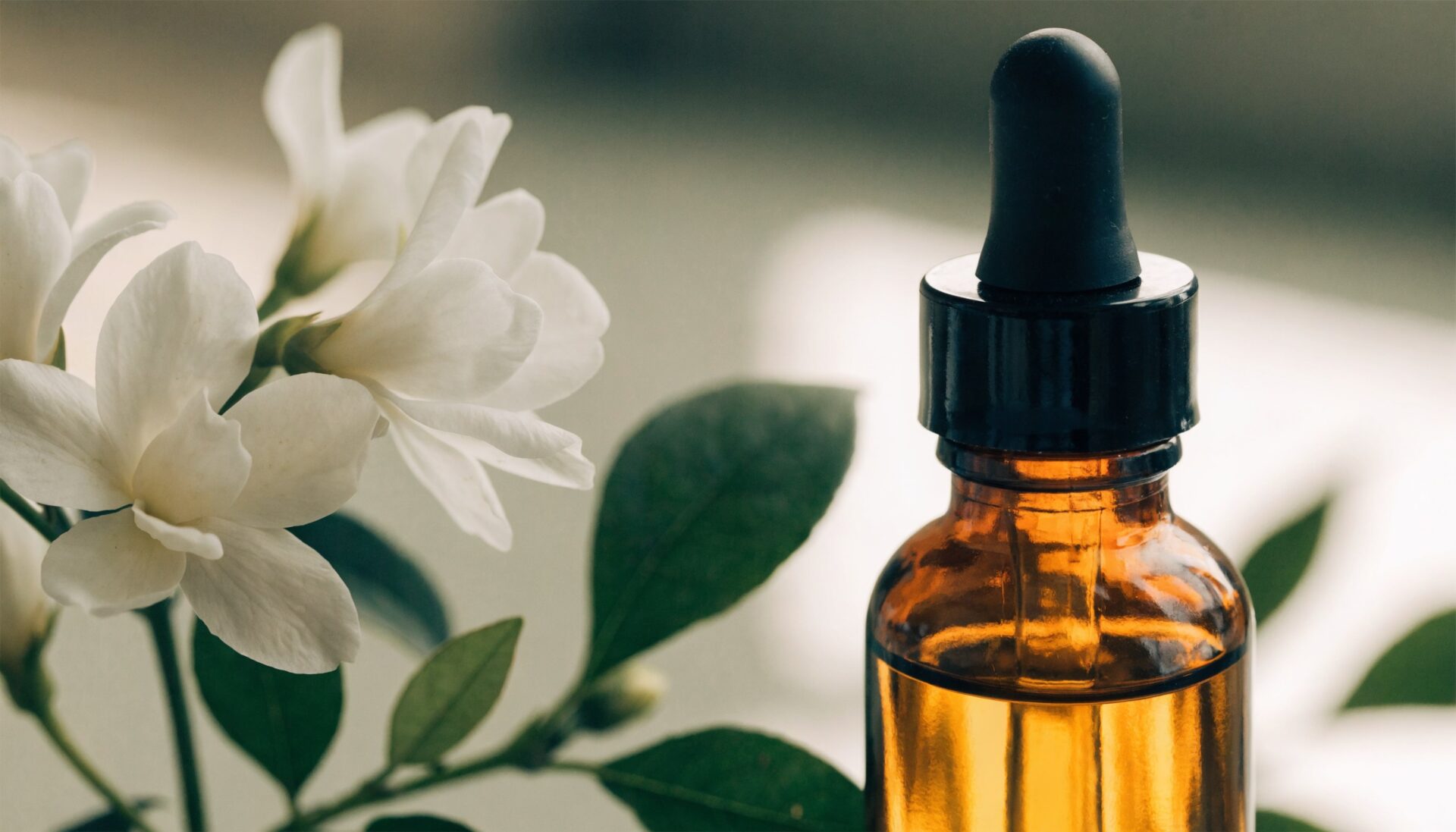
Jasmine oil is extracted from the delicate petals of the jasmine flower (typically Jasminum grandiflorum or Jasminum sambac), most often through solvent extraction to produce a concentrated absolute, since the flowers yield very little oil relative to their weight. This labor-intensive process is part of why jasmine oil ranks among the more expensive essential oils on the market.
Key Benefits of Jasmine Oil
Skin Nourishment
Jasmine oil is valued in skincare for its antioxidant and moisturizing properties, and is often included in formulations targeting the appearance of scars, uneven tone, and visible signs of aging. Its antioxidant activity helps combat free radicals in skin, which can help even skin tone and reduce blemishes over consistent use.
Hair and Scalp Support
Used in hair oils and masks, jasmine oil is believed to add shine and may help soothe a dry or itchy scalp when blended with a carrier oil.
Aromatherapy and Mood Support
Jasmine’s aroma has long been used in aromatherapy for stress relief and relaxation, with some studies suggesting it may support mood and promote a sense of calm, alongside a mildly uplifting effect that distinguishes it from purely sedative florals like lavender.
Sleep and Relaxation
Jasmine’s gentle, sedative-like aroma is a popular addition to nighttime diffuser blends and bedtime skincare rituals intended to support restful sleep.
Jasmine Oil vs. Coconut Oil for Skin
These two oils serve different roles in a formulation rather than directly competing. Coconut oil is a heavier, deeply hydrating all-over moisturizer well suited to daily use, while diluted jasmine oil blends are typically positioned for targeted benefits, like a radiant glow or visible anti-aging support, in smaller, more concentrated applications rather than as an everyday moisturizing base.
Common Forms Used in Formulation
- Jasmine absolute, a concentrated solvent-extracted form used in perfumery and high-end skincare
- Jasmine oil diluted in a carrier oil for direct topical or hair use
- An active in facial serums, creams, and hair masks
- A fragrance component in diffuser blends, candles, and bath products
Sourcing and Quality Considerations for Manufacturers
Because pure jasmine oil is costly and frequently adulterated with synthetic fragrance compounds, buyers should request GC/MS testing to confirm authenticity and a certificate of analysis specifying extraction method (absolute versus diluted oil). For cosmetic formulations, IFRA compliance documentation and allergen declarations are essential, since jasmine oil contains several of the EU’s regulated fragrance allergens.
Safety and Side Effects
Jasmine oil should always be diluted before topical application to avoid skin irritation, and a patch test is recommended before first use. Pregnant individuals are commonly advised to avoid jasmine oil, as it has traditionally been associated with uterine-stimulating properties in some cultures, though formal safety research remains limited. As with any essential oil, it should never be ingested without professional guidance.
Frequently Asked Questions
Can I put jasmine oil on my face?
Yes, when properly diluted in a carrier oil, a few drops can be applied to the face, typically as part of a nighttime moisturizing routine, after a patch test to confirm skin tolerance.
Is jasmine oil better than coconut oil?
Neither is universally “better” — coconut oil is the stronger choice for daily, all-over hydration, while a properly diluted jasmine oil blend is generally preferred for targeted skin radiance, anti-aging support, or a more luxurious sensory experience.
Why is jasmine oil so expensive compared to other essential oils?
Jasmine flowers yield very little oil per pound of plant material, and the oil is typically extracted through a labor-intensive solvent process rather than simple steam distillation, driving up cost.
Is jasmine oil safe to use during pregnancy?
Jasmine oil is often advised against during pregnancy due to traditional associations with uterine stimulation, so pregnant individuals should consult a healthcare provider before use.
Sourcing jasmine oil for your formulation?
FC Materials supplies GC/MS-tested jasmine oil and absolute for cosmetic and fragrance manufacturing. Tell us your product needs and our team will respond with specs, pricing, and MOQ.