
Every cell in the body runs on mitochondria, and every mitochondrion eventually wears out. Urolithin A has become one of the most closely watched compounds in the longevity supplement space because of its specific role in clearing out those worn-out mitochondria before they drag down cellular energy.
What Is Urolithin A?
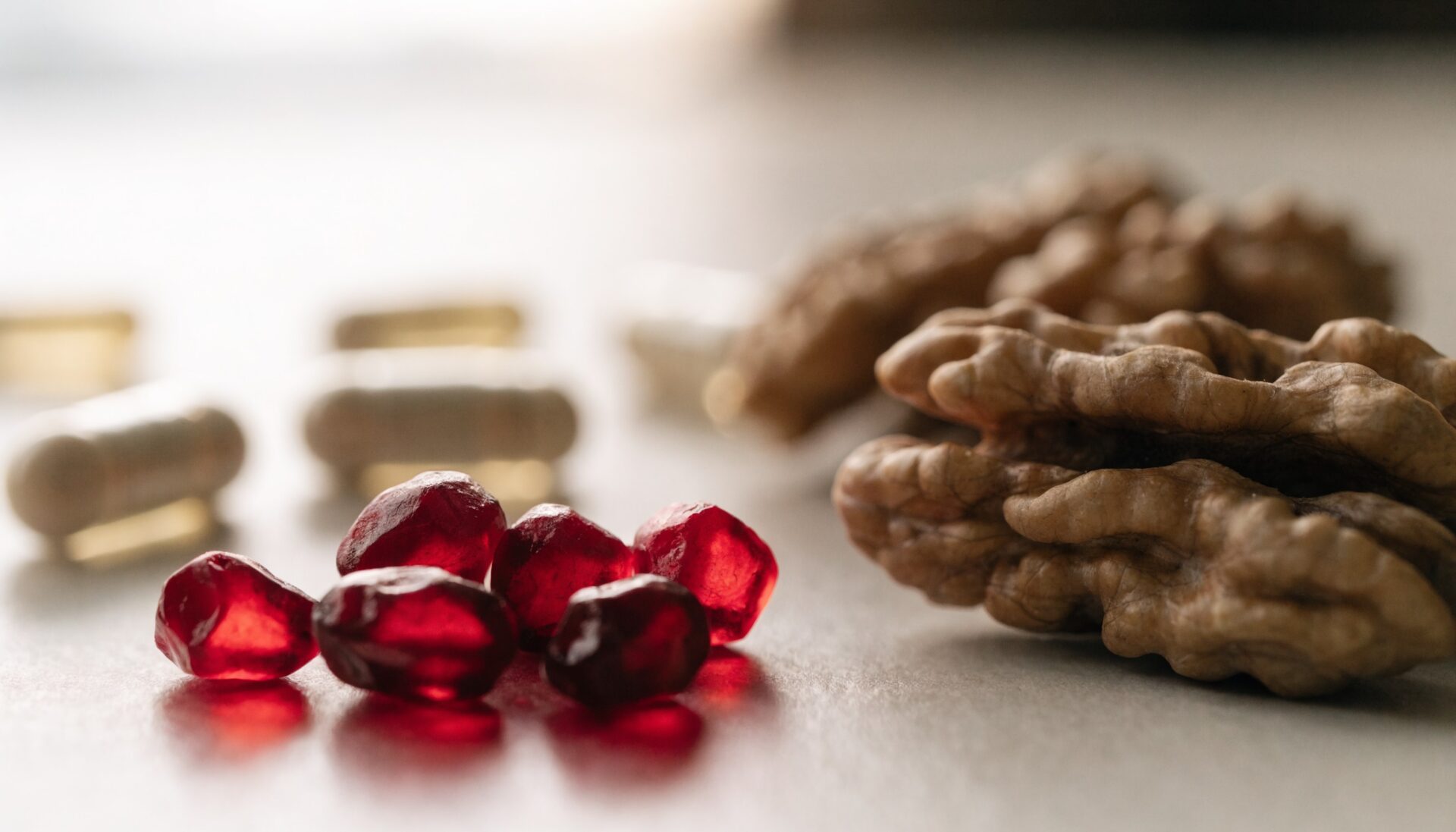
Urolithin A is a postbiotic metabolite — a compound produced not by the body itself, but by gut bacteria acting on ellagitannins, plant compounds found in pomegranates, walnuts, and berries. The catch is that most people’s gut microbiome does not convert enough ellagitannins into meaningful amounts of urolithin A on its own, which is why eating pomegranates does not reliably deliver the same effect as a concentrated urolithin A supplement.
How Urolithin A Works: Mitophagy
Urolithin A’s primary mechanism of interest is mitophagy — the cellular process of identifying and clearing damaged, dysfunctional mitochondria so that new, healthy ones can take their place. As mitophagy naturally slows with age, damaged mitochondria accumulate and cellular energy output declines. By supporting this cleanup process, urolithin A is studied for its potential to help maintain cellular energy production, muscle function, and healthy aging markers.
Key Health Benefits
Muscle Strength and Performance
Clinical trials using daily doses of 500 mg to 1,000 mg have measured increases in muscle strength (including improvements in hamstring strength in some studies) without requiring participants to change their exercise routine.
Exercise Recovery
Supplementation has been associated with reduced perceived physical exertion and faster recovery after intense exercise in trained individuals.
Cellular Renewal and Reduced Inflammation
By supporting mitochondrial turnover, urolithin A may help lower certain pro-inflammatory markers associated with aging and support broader metabolic health.
Healthy Aging Support
As one of the few compounds with human clinical data specifically tied to mitophagy, urolithin A has become a focal point in the healthy-aging and longevity supplement category.
Typical Dosage in Clinical Research
Human clinical trials investigating muscle health and cellular energy have generally used daily doses in the 500 mg to 1,000 mg range, taken consistently over periods of two to four months before benefits were measured. As with any supplement, product labels and healthcare provider guidance should take precedence over general research ranges.
Common Forms Used in Formulation
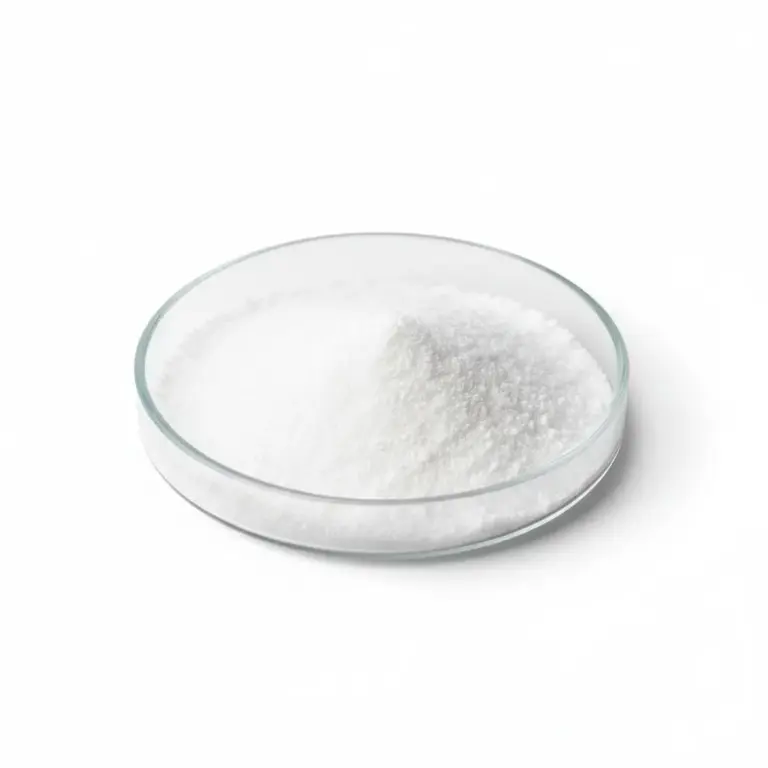
- Purified urolithin A powder (commonly 98%+ purity) for capsules, tablets, and softgels
- Standalone single-ingredient formulations, positioned in the healthy-aging and cellular-health category
- Combination formulas pairing urolithin A with complementary longevity compounds such as CoQ10 or trans-resveratrol
Sourcing and Quality Considerations for Manufacturers
Buyers should request a certificate of analysis confirming purity (percentage assay), along with heavy metal and microbiological testing. Urolithin A has passed FDA Generally Recognized as Safe (GRAS) assessment for its intended use, and manufacturers should confirm their supplier can provide the relevant GRAS or regulatory documentation for their target market. Because this is a newer specialty ingredient, particle size and solubility data are also worth confirming for capsule versus powder-blend applications.
Safety and Side Effects
Clinical data indicates urolithin A is generally well tolerated in healthy adults, including at doses of 1,000 mg per day over several months of testing. As with any supplement, individuals who are pregnant, nursing, or managing chronic medical conditions should consult a healthcare provider before use, and there is limited long-term safety data beyond the duration of current clinical trials.
Frequently Asked Questions
Does Urolithin A actually work?
Multiple published human clinical trials have measured improvements in muscle strength and endurance with daily urolithin A supplementation, which is more direct clinical evidence than many newer supplement ingredients have behind them, though research is still ongoing.
Who shouldn’t take Urolithin A?
Pregnant or nursing individuals and those managing chronic medical conditions should consult a healthcare provider before starting urolithin A, since safety data in these populations is limited.
Is Urolithin A better than creatine?
They aren’t direct substitutes. Creatine primarily supports short-term muscle energy output (ATP regeneration) during high-intensity effort, while urolithin A targets longer-term mitochondrial quality via mitophagy; some formulations combine both for complementary effects.
What is the best form of Urolithin A supplement?
Look for a purified, high-assay (typically 98%+) urolithin A with third-party testing documentation, in a dosage range matching the 500–1,000 mg used in clinical trials.
Sourcing Urolithin A for your formulation?
FC Materials supplies purity-tested Urolithin A for healthy-aging and cellular-health supplement manufacturing. Tell us your product needs and our team will respond with specs, pricing, and MOQ.