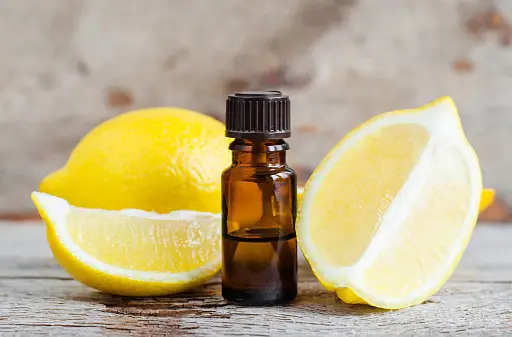

Lemon oil is the essential-oil equivalent of a Swiss Army knife – a single ingredient that shows up in fragrance, flavouring, cleaning products, and aromatherapy, all because of the same bright, unmistakably fresh citrus profile.
What Is Lemon Oil?
Lemon oil is cold-pressed from the peel of the lemon (Citrus limon), capturing the fruit’s characteristic bright, fresh citrus aroma. Like other citrus peel oils, it’s rich in limonene, the terpene responsible for much of its scent and functional properties. It’s one of the most widely used citrus essential oils, valued across fragrance, food flavouring, cleaning products, and aromatherapy for its versatility and universally recognizable scent.
Key Benefits
Bright, Recognizable Fragrance
Lemon oil’s primary value is its fresh, clean citrus scent, used extensively as a natural fragrance component in cosmetics, personal care, cleaning products, and candles.
Natural Flavouring
In food and beverage applications, lemon oil delivers authentic lemon flavour, used in baking, confectionery, beverages, and culinary applications where natural citrus flavouring is preferred.
Natural Cleaning and Degreasing Properties
Limonene’s natural degreasing properties make lemon oil a popular ingredient in natural and eco-conscious cleaning products, valued for both function and scent.
Uplifting Aromatherapy Use
Lemon oil’s aroma is widely used in aromatherapy for its uplifting, energizing, and mood-brightening associations, making it a staple in diffuser blends.
Common Forms Used in Formulation
- Cold-pressed lemon peel oil – the standard form for fragrance, flavouring, and aromatherapy.
- Lemon oil (terpeneless/deterpenated) – processed to remove some terpenes for improved stability and solubility in certain formulations.
- Lemon oil blends – combined with carrier oils for direct topical or diffuser use.
Sourcing and Quality Considerations for Manufacturers
As with all citrus peel oils, cold-pressing is the standard extraction method that best preserves the authentic aroma and flavour profile, so buyers should confirm this and request a certificate of analysis confirming limonene content and purity. Lemon oil is a common target for adulteration or extension with cheaper citrus oils, so verified purity testing matters. For leave-on skincare applications, confirm furanocoumarin content or request bergapten-reduced/furanocoumarin-free grades, since citrus peel oils carry phototoxicity risk. Origin, pesticide residue testing, and batch consistency round out standard due diligence.
Safety and Side Effects
Like other citrus peel oils, lemon oil can be phototoxic, increasing skin sensitivity to UV light, so leave-on skincare products should use furanocoumarin-free or reduced grades, or advise sun avoidance after application. It should always be diluted before topical use and is not intended for undiluted skin contact. Standard essential oil safety practices, including patch testing, apply.
Frequently Asked Questions
What is lemon oil used for?
Lemon oil is used as a natural fragrance in cosmetics and cleaning products, a flavouring in food and beverages, and in aromatherapy for its uplifting scent.
Is lemon oil safe for skin?
It must be diluted before topical use and can be phototoxic like other citrus peel oils, so furanocoumarin-free or reduced grades are recommended for leave-on skincare products.
How is lemon oil extracted?
Lemon oil is typically cold-pressed from the peel of the lemon fruit, the standard extraction method for citrus essential oils.
Can lemon oil be used in cleaning products?
Yes – its limonene content gives it natural degreasing properties, making it a popular choice in natural and eco-conscious cleaning formulations.
Sourcing lemon oil for your formulation?
FC Materials supplies cold-pressed lemon peel oil for cosmetic, food, and cleaning product manufacturers. Tell us your product needs and our team will respond with specs, pricing, and MOQ.