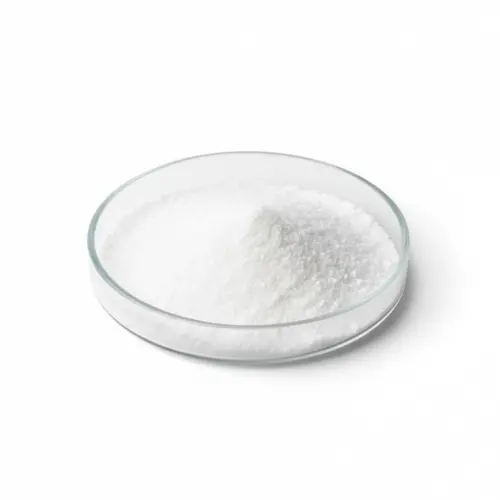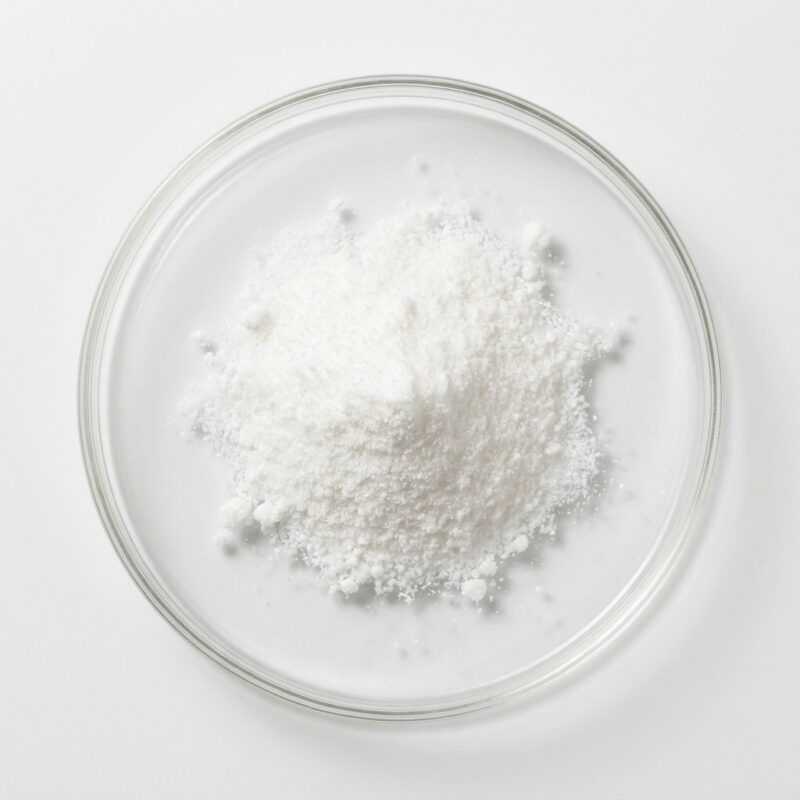
Taurine is a naturally occurring sulphur-containing amino acid found abundantly in the human body, particularly in the brain, heart, and skeletal muscle. This Halal-certified ingredient is one of the most widely used functional ingredients in the global energy drink and sports nutrition industry, valued for its roles in supporting cognitive function, physical endurance, and antioxidant defence.
Unlike most amino acids, Taurine is not used for protein synthesis — it acts primarily as a cellular osmolyte, neuromodulator, and antioxidant, making it a true functional ingredient with demonstrated physiological roles.
Applications:
- Energy Drinks (a key ingredient in most commercial energy drink formulations)
- Sports Nutrition (pre-workout blends, endurance supplements, recovery drinks)
- Nutraceuticals (cognitive support, cardiovascular health, antioxidant formulations)
- Functional Beverages (focus drinks, nootropic blends)
Key Features & Benefits:
- Widely used in energy drinks and sports nutrition globally
- Supports cognitive function, endurance, and antioxidant defence
- Acts as a cellular osmolyte and neuromodulator
- Highly soluble and stable in beverages
- Halal-certified & food-grade quality
Where commercial taurine comes from
Taurine was first isolated from animal sources, and that history still causes confusion. Commercial taurine today is almost entirely made by chemical synthesis, not extracted from animals. That matters for vegan and Halal positioning: confirm the production route on the specification, and you can answer customer questions about origin with a document rather than an assumption.
Formulation notes
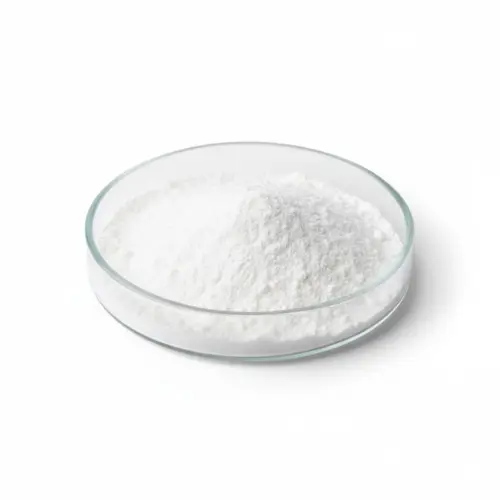
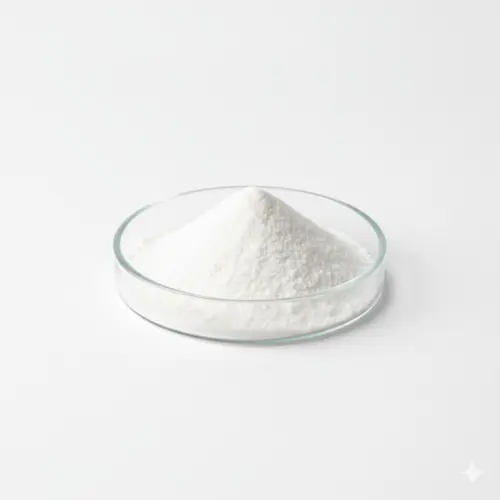
Taurine is a white crystalline powder that dissolves well in water and is stable in the acidic, carbonated conditions typical of energy drinks. It has little taste of its own at normal use levels, so it is easy to add to beverages, powders and capsules. In energy and pre-workout products it is usually combined with caffeine and B vitamins, and it appears alongside other amino acids in sports blends.
Regulatory
Maximum levels of taurine in energy drinks and supplements, and the labelling that goes with them, differ between markets. In Malaysia, whether your product is regulated as a food or as a health supplement decides which rules apply. Confirm the permitted amount for each market you sell into.
What the research says
- A 2024 meta-analysis of 20 randomised trials (808 participants) found that taurine lowered heart rate by 3.6 beats per minute, systolic blood pressure by 4.0 mmHg and diastolic by 1.4 mmHg. In heart-failure patients it improved left-ventricular ejection fraction. No significant adverse effects were seen compared with controls. [1]
- A 2018 meta-analysis of 10 studies found that a single oral dose of taurine (1–6 g) improved endurance exercise performance, with no clear difference by dose or between single and repeated dosing. [2]
These summaries describe published research on the ingredient. They are not claims for any finished product; claims on finished products must meet the rules of the market where they are sold.
References
- Tzang CC, et al. Insights into the cardiovascular benefits of taurine: a systematic review and meta-analysis. Nutr J. 2024;23(1):93. doi:10.1186/s12937-024-00995-5
- Waldron M, et al. The effects of an oral taurine dose and supplementation period on endurance exercise performance in humans: a meta-analysis. Sports Med. 2018;48(5):1247–1253. doi:10.1007/s40279-018-0896-2
What to ask for on the certificate of analysis
- Assay, and the pharmacopoeia or food specification it conforms to.
- Related substances.
- Loss on drying and residue on ignition.
- Clarity and colour of solution.
- Heavy metals and a statement of the production route.
Related ingredients
Other amino acids used in energy, focus and sports formulas: L-Theanine and L-Carnitine Base.