L-Theanine is a unique non-protein amino acid found almost exclusively in green tea (Camellia sinensis). It promotes a state of calm, focused alertness without sedation by modulating alpha brain wave activity and balancing excitatory neurotransmitters. Widely used in combination with caffeine to enhance cognitive performance while reducing caffeine-induced jitteriness.
Applications:
- Stress relief and relaxation supplements
- Cognitive performance and focus formulations
- Sleep quality supplements (combined with melatonin/GABA)
- Energy drinks and functional beverages (caffeine synergy)
Key Features & Benefits:
- Promotes calm alertness without drowsiness
- Synergistic with caffeine for clean cognitive enhancement
- Increases alpha brain wave activity
- No animal substance – suitable for halal and vegan formulations
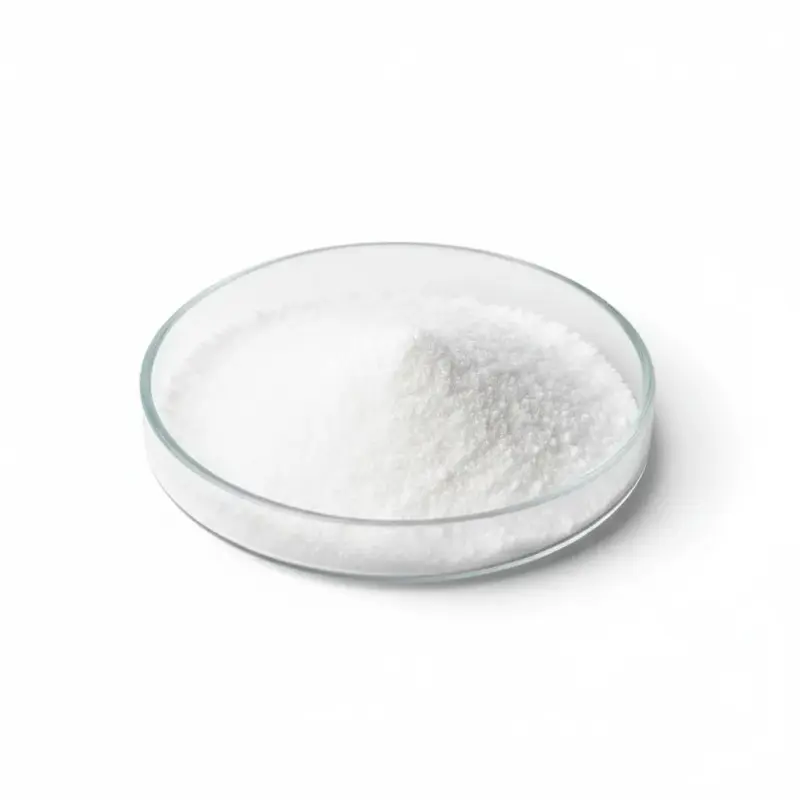
- White crystalline powder, highly water-soluble
L-theanine, not DL-theanine
Theanine occurs naturally in tea as the L-form. Commercial material is made by extraction, by enzymatic or fermentation processes, or by chemical synthesis — and some synthetic routes produce racemic DL-theanine, a mix of the L- and D-forms. The L-form is the one found in tea and the one the research relates to. A product named “theanine” does not tell you which you are getting; the specific optical rotation on the certificate does.
Formulation notes
L-theanine is a white, highly water-soluble powder with a mild, slightly sweet and savoury (umami) taste, which makes it straightforward in beverages, gummies and effervescent formats as well as capsules. It is commonly paired with caffeine in energy and focus products, and with other calming ingredients in relaxation and sleep blends.
Regulatory status differs by market
Whether L-theanine can be used in foods, and at what level, is not uniform across markets. In Malaysia, whether your finished product is regulated as a food or as a health supplement decides which rules apply. Confirm the status and permitted amount for every market you plan to sell into.
What the research says
- In a 4-week double-blind crossover trial in 30 healthy adults, 200 mg of L-theanine a day lowered scores for depression, trait anxiety and sleep quality (Pittsburgh Sleep Quality Index) compared with placebo. Verbal fluency and executive function also improved. [1]
- In a double-blind trial in adults aged 50–69, a single dose of L-theanine shortened reaction time on an attention task and improved working-memory scores compared with placebo. [2]
- Both studies are small, and both were co-authored by staff of companies that produce L-theanine or tea products.
These summaries describe published research on the ingredient. They are not claims for any finished product; claims on finished products must meet the rules of the market where they are sold.
References
- Hidese S, et al. Effects of L-theanine administration on stress-related symptoms and cognitive functions in healthy adults: a randomized controlled trial. Nutrients. 2019;11(10):2362. doi:10.3390/nu11102362
- Baba Y, et al. Effects of L-theanine on cognitive function in middle-aged and older subjects: a randomized placebo-controlled study. J Med Food. 2021;24(4):333–341. doi:10.1089/jmf.2020.4803
What to ask for on the certificate of analysis
- Assay by HPLC.
- Specific optical rotation (or D-isomer content) — confirms the L-form.
- Loss on drying and residue on ignition.
- Heavy metals and microbiological profile.
- A statement of how the material was produced.
Related ingredients
Other ingredients used in focus, energy and relaxation formulas: Taurine and Inositol.