Inositol (myo-inositol) is a naturally occurring sugar alcohol that functions as a secondary messenger in cell signalling pathways. It plays a critical role in insulin signalling, ovarian function, and neurotransmitter modulation (serotonin, dopamine). Clinically validated for PCOS management, fertility support, and anxiety reduction.
Applications:
- PCOS and female hormonal health supplements
- Fertility and reproductive health formulations
- Mental health and anxiety support supplements
- Metabolic health and insulin sensitivity formulations
Key Features & Benefits:
- Clinically validated for PCOS — restores ovulation and hormonal balance
- Insulin sensitiser — supports blood glucose and metabolic health
- Modulates serotonin and dopamine for mood and anxiety relief
- No animal substance – suitable for halal and vegan formulations
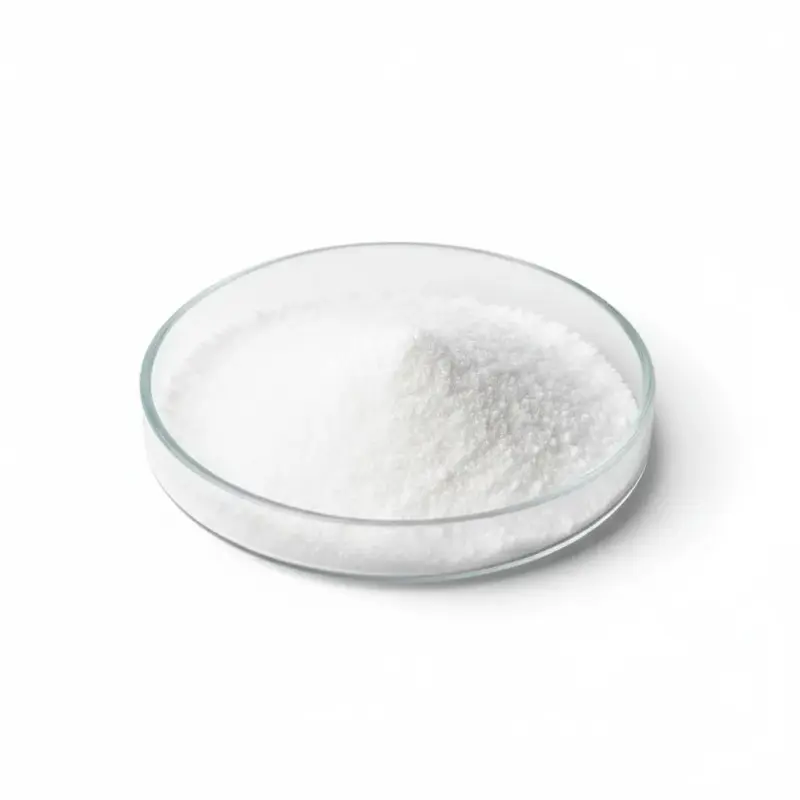
- White powder with mild sweet taste, highly water-soluble
Myo-inositol and D-chiro-inositol are not the same purchase
The PCOS literature that drives demand for this ingredient is built overwhelmingly on a combination of myo-inositol and D-chiro-inositol in an approximately 40:1 ratio, reflecting the physiological ratio in plasma. Myo-inositol alone is a legitimate and much cheaper product, but a brand intending to reference the clinical work needs both isomers and the ratio stated on the specification. Confirm which isomer you are quoting on before comparing prices — D-chiro-inositol is an order of magnitude more expensive, and a 40:1 blend will price close to straight myo-inositol while a 1:1 blend will not.
Formulation notes
Inositol is freely water-soluble and mildly sweet — roughly half the sweetness of sucrose — which is unusually helpful in a sachet or stick-pack, since it reduces the sweetener load the flavour system has to carry. It is also hygroscopic, so open sachets and humid filling rooms cause caking; specify moisture-barrier packaging and control humidity at fill rather than relying on an anti-caking agent to fix it afterwards.
The practical constraint is dose. Clinical protocols sit in the low grams per day, not milligrams, so bulk density decides whether the dose fits a sachet, a scoop or an impractical number of capsules. Ask for bulk and tapped density early — it will shape the delivery format more than any other property.
What the research says
- A 2023 meta-analysis of 26 randomised controlled trials (1,691 women with polycystic ovary syndrome) found that inositol made a regular menstrual cycle 1.79 times as likely as placebo, and was not inferior to metformin on this outcome. Compared with placebo, it also lowered BMI, testosterone, androstenedione and glucose. [1]
- A 2017 meta-analysis of 9 randomised trials (496 women with PCOS) found that myo-inositol lowered fasting insulin and the HOMA insulin-resistance index; sex-hormone-binding globulin rose only in studies lasting at least 24 weeks. [2]
These summaries describe published research on the ingredient. They are not claims for any finished product; claims on finished products must meet the rules of the market where they are sold.
References
- Greff D, et al. Inositol is an effective and safe treatment in polycystic ovary syndrome: a systematic review and meta-analysis of randomized controlled trials. Reprod Biol Endocrinol. 2023;21(1):10. doi:10.1186/s12958-023-01055-z
- Unfer V, et al. Myo-inositol effects in women with PCOS: a meta-analysis of randomized controlled trials. Endocr Connect. 2017;6(8):647–658. doi:10.1530/EC-17-0243
What to ask for on the certificate of analysis
- Assay, with the isomer explicitly identified (myo-, D-chiro-, or the blend ratio).
- Bulk and tapped density, and particle size — the properties that determine dosage format.
- Loss on drying, given the hygroscopicity.
- Heavy metals, residual solvents and microbiological profile.
- Halal certificate reference where the finished product requires it.