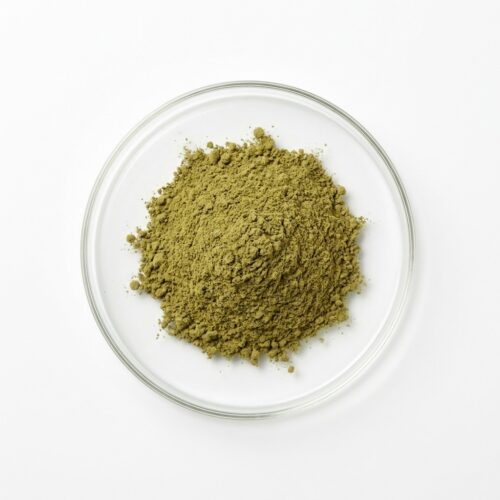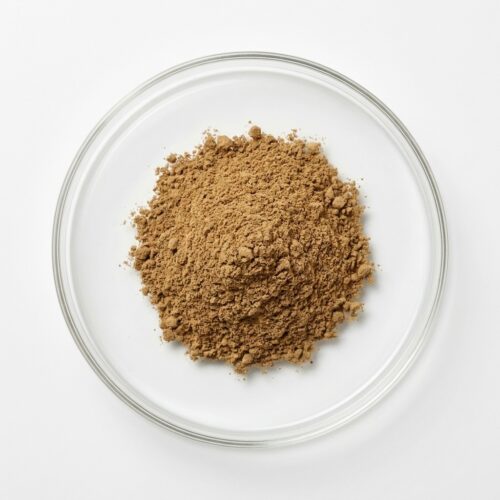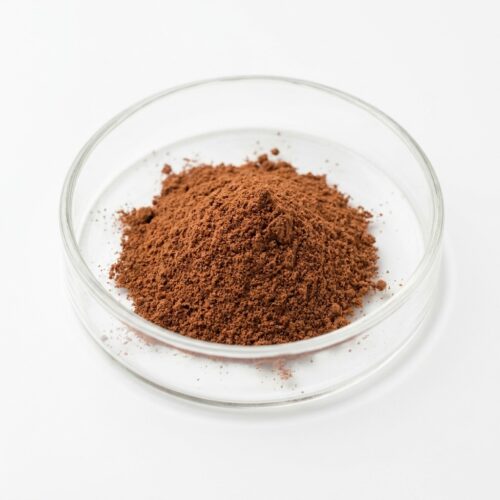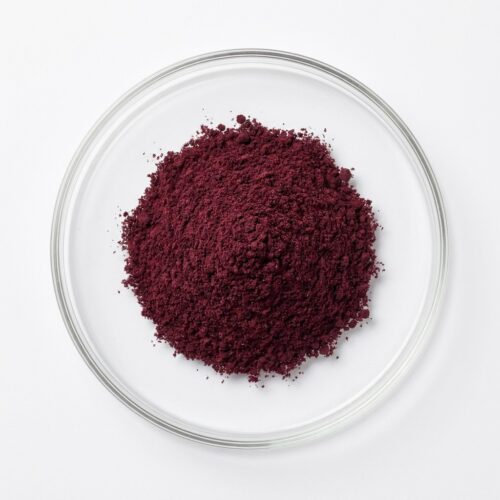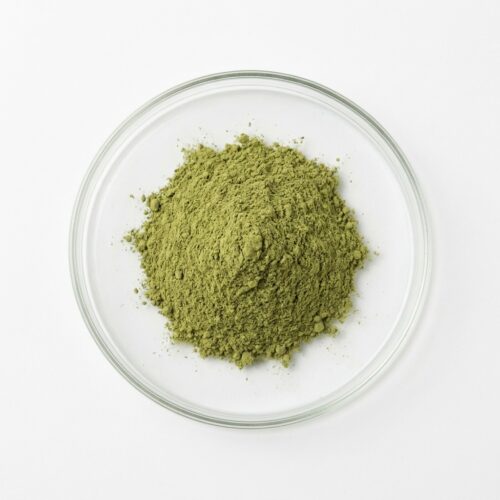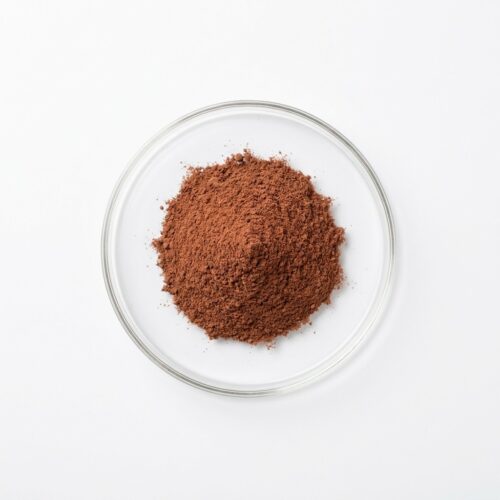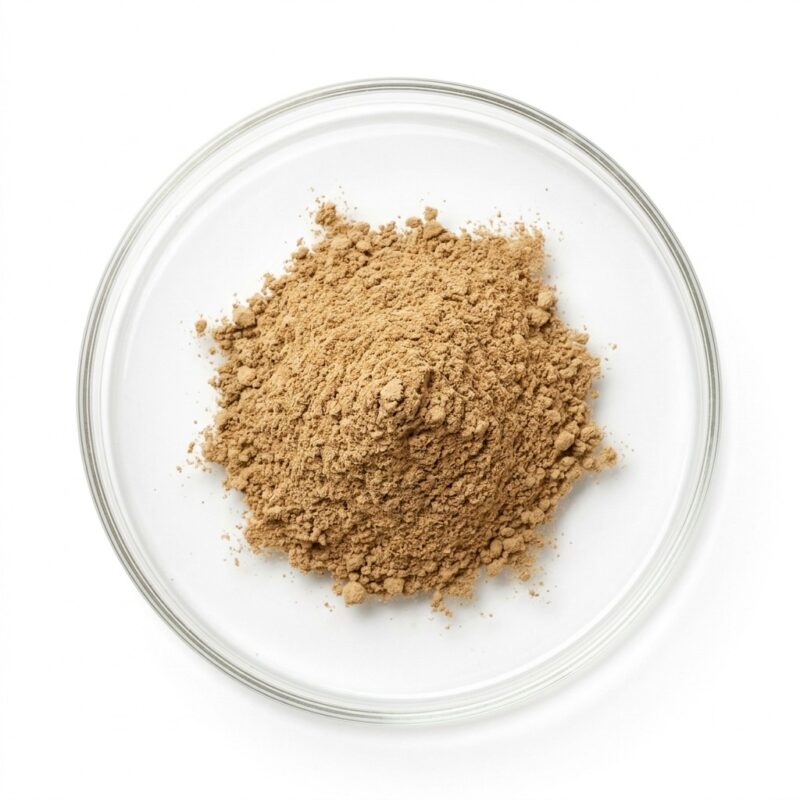
Ginkgo Biloba Extract (10:1) is a concentrated botanical extract derived from the leaves of Ginkgo biloba, one of the most extensively researched herbal supplement ingredients in the world. At a 10:1 concentration ratio, this Halal-certified extract delivers a potent dose of ginkgoflavonglycosides and terpene lactones (ginkgolides and bilobalide) — the standardised bioactive fractions responsible for ginkgo’s cognitive enhancement and circulatory support effects.
Ginkgo Biloba is a flagship ingredient in the global brain health and cognitive supplement category, with decades of clinical research and strong consumer brand awareness.
Applications:
- Nutraceuticals (memory and cognitive support capsules, brain health formulations, dementia prevention supplements)
- Elderly Health (cognitive decline prevention, circulatory health)
- Functional Beverages (focus drinks, nootropic blends)
- Eye Health (microcirculation support, macular health formulations)
Key Features & Benefits:
- 10:1 concentrated ginkgoflavonglycoside and terpene lactone-rich extract
- Among the most clinically studied cognitive and circulatory botanical ingredients
- Strong consumer brand recognition in brain health category
- Halal-certified & food-grade quality
- Suitable for capsule, tablet, and powder formulations
The standard ginkgo specification
Most clinical work on ginkgo leaf uses extracts standardised to about 24% flavone glycosides and 6% terpene lactones (ginkgolides and bilobalide). A “10:1” ratio says nothing about either figure. For buyers who need to match published research, those two markers, measured by HPLC, are the specification to ask for.
Ginkgolic acids
Ginkgo leaf naturally contains ginkgolic acids, which are allergenic. Pharmacopoeial ginkgo dry extracts limit them to very low levels (5 ppm in the European Pharmacopoeia), and the figure should appear on the certificate.
Adulteration
Ginkgo extract is one of the most frequently adulterated botanicals. Cheaper flavonoids such as rutin or quercetin, or other plant extracts, are added to raise the flavonoid assay. An HPLC method that reports the individual flavonol aglycones and their ratio, rather than a single total, is the practical defence. For another cognitive botanical, see Bacopa Extract.
What the research says
- A 2026 Cochrane review of 82 studies (10,613 participants) found that in people with mild cognitive impairment, ginkgo probably has little or no effect at six months on global clinical status, cognition or daily activities (moderate-certainty evidence). [1]
- In people with dementia, the same review found that ginkgo may give small to moderate benefits at six months in global status, cognition and daily activities, based on low-certainty evidence. There was probably little or no difference in adverse events compared with placebo. [1]
These summaries describe published research on the ingredient. They are not claims for any finished product; claims on finished products must meet the rules of the market where they are sold.
References
- Wieland LS, et al. Ginkgo biloba for cognitive impairment and dementia. Cochrane Database Syst Rev. 2026;2(2):CD013661. doi:10.1002/14651858.CD013661.pub2
What to ask for on the certificate of analysis
- Species (Ginkgo biloba), plant part (leaf) and extraction solvent
- Flavone glycosides and terpene lactones by HPLC
- Quercetin, kaempferol and isorhamnetin ratio, or a statement of no added flavonoids
- Ginkgolic acids content
- Residual solvents, pesticide residues and heavy metals
- Microbiology: total plate count, yeast and mould, E. coli, Salmonella
- Halal certificate, batch number, manufacture and retest dates