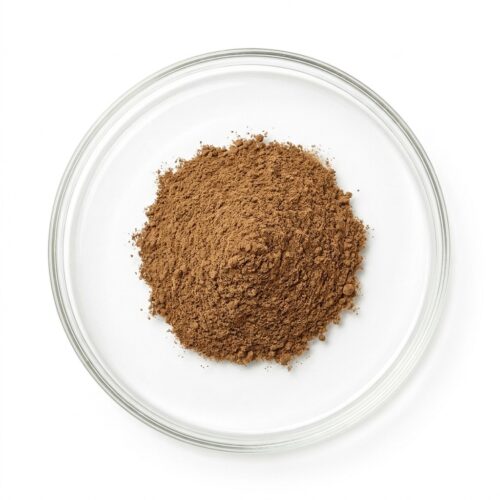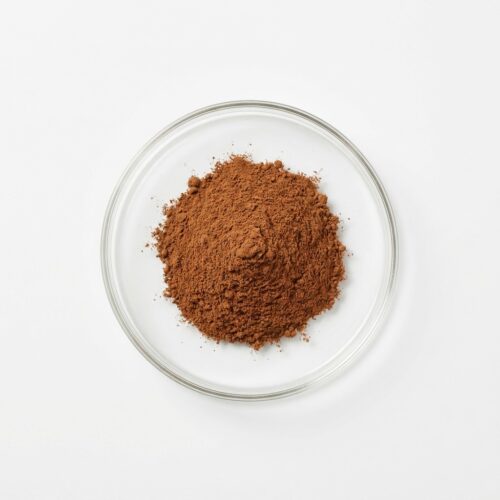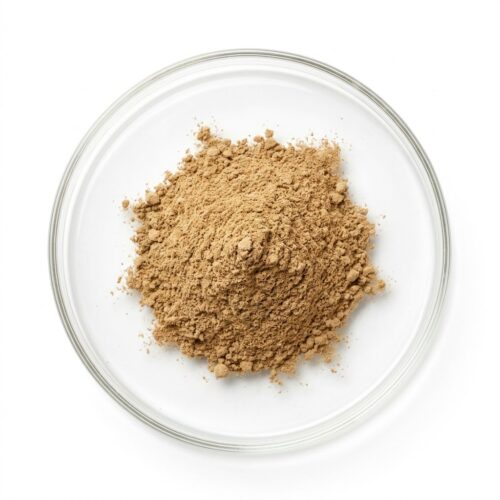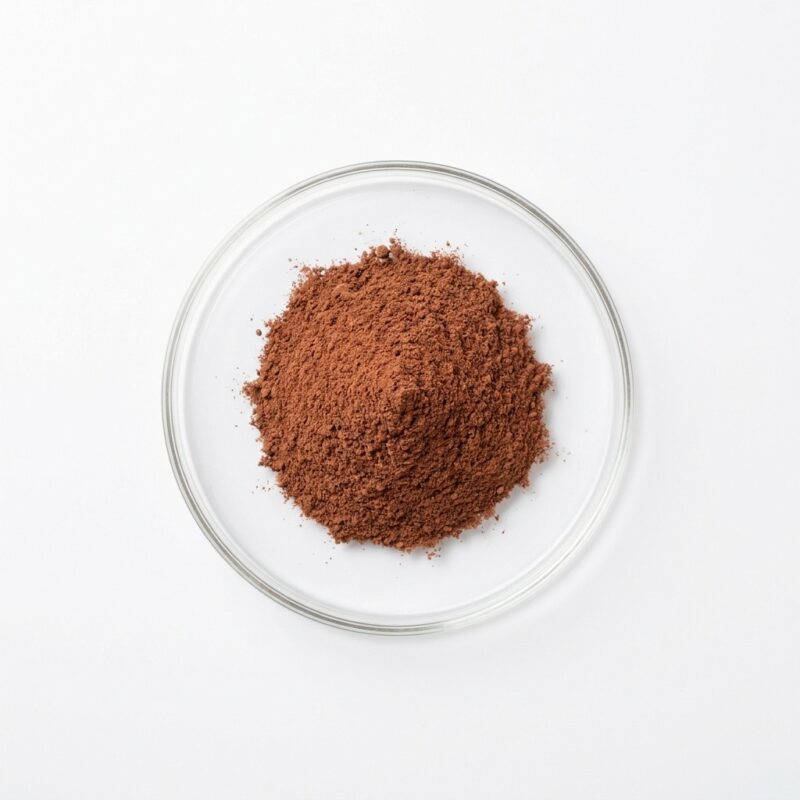
Grape Seed Extract (10:1) is a concentrated botanical extract derived from the seeds of Vitis vinifera, one of the richest natural sources of oligomeric proanthocyanidins (OPCs) — a class of polyphenolic antioxidants considered among the most potent in the plant kingdom. At a 10:1 concentration ratio, this Halal-certified extract delivers a highly potent OPC-rich dose with exceptional antioxidant activity.
Grape Seed Extract is a flagship ingredient in the global anti-ageing, skin health, and cardiovascular supplement categories, with strong clinical evidence and consumer market recognition.
Applications:
- Nutraceuticals (OPC antioxidant supplements, cardiovascular health, anti-ageing capsules)
- Beauty Supplements (skin brightening formulations, collagen protection, beauty drinks)
- Eye Health (macular health, microvascular circulation support)
- Functional Foods (antioxidant-enriched health bars, fortified beverages)
Key Features & Benefits:
- 10:1 concentrated OPC-rich antioxidant extract
- Among the most potent plant-derived antioxidants available
- Clinically studied for skin health, cardiovascular, and anti-ageing benefits
- Halal-certified & food-grade quality
- Suitable for capsule, powder, and beverage formulations
“10:1” is not an assay
A 10:1 ratio says how much raw seed went into each unit of extract; it does not say how much proanthocyanidin the extract contains. Two 10:1 extracts can differ widely in active content. The figure to compare is the proanthocyanidin (OPC) content, and it must come with its test method.
Why the method matters
Proanthocyanidins are a mixture of monomers (catechin, epicatechin), oligomers and polymers. Simple UV and colorimetric methods respond to the whole mixture and typically give much higher percentages than HPLC methods, which measure defined compounds. The same extract can therefore be “95% OPC” by one method and a far lower figure by another. Agree the method before comparing prices, and ask for the monomer and oligomer breakdown where the supplier can provide it.
Contaminants and handling
Grape seed is a by-product of wine and juice making, so pesticide residues and mycotoxins (ochratoxin A is the usual one for grape products) are worth screening, along with residual extraction solvent. The extract is astringent and can darken in solution, which matters in clear drinks. For another OPC source, see Pine Bark Extract; for a carotenoid antioxidant, Astaxanthin.
What the research says
- A 2016 meta-analysis of 16 randomised trials (810 participants) found that grape seed extract lowered systolic blood pressure by about 6 mmHg and diastolic by about 3 mmHg, with larger effects in younger and overweight participants. The authors note small sample sizes. [1]
- A 2021 meta-analysis of 19 trials found a smaller effect: diastolic pressure fell by 2.2 mmHg and heart rate by 1.3 beats per minute, but the change in systolic pressure was not significant, and results varied widely between studies. [2]
These summaries describe published research on the ingredient. They are not claims for any finished product; claims on finished products must meet the rules of the market where they are sold.
References
- Zhang H, et al. The impact of grape seed extract treatment on blood pressure changes: a meta-analysis of 16 randomized controlled trials. Medicine (Baltimore). 2016;95(33):e4247. doi:10.1097/MD.0000000000004247
- Foshati S, et al. The effect of grape (Vitis vinifera) seed extract supplementation on flow-mediated dilation, blood pressure, and heart rate: a systematic review and meta-analysis of controlled trials with duration- and dose-response analysis. Pharmacol Res. 2022;175:105905. doi:10.1016/j.phrs.2021.105905
What to ask for on the certificate of analysis
- Species (Vitis vinifera), plant part (seed) and extraction solvent
- Proanthocyanidin content with the test method stated (UV or HPLC)
- Monomers (catechin, epicatechin) and oligomer breakdown, if available
- Residual solvents, pesticide residues and ochratoxin A
- Heavy metals: lead, arsenic, cadmium and mercury
- Microbiology: total plate count, yeast and mould, E. coli, Salmonella
- Carrier (if any), GMO and allergen statements, Halal certificate, batch and retest dates