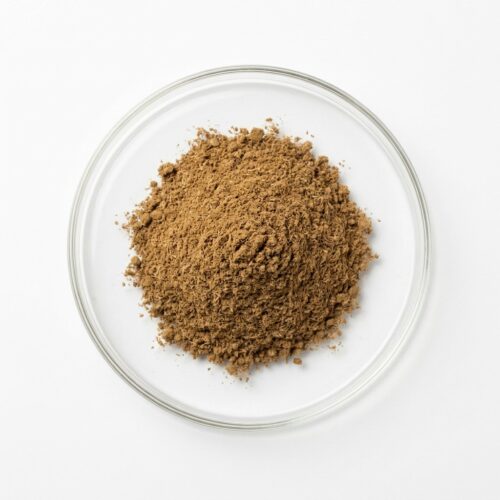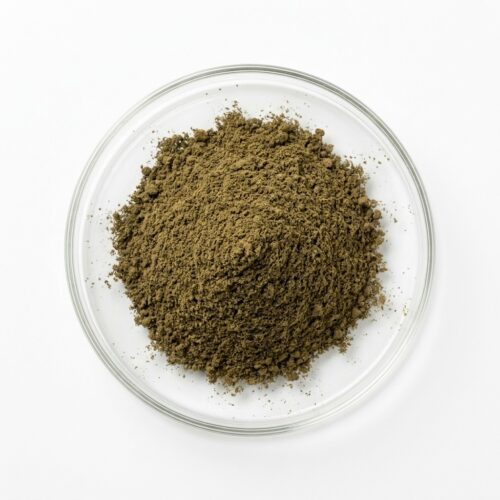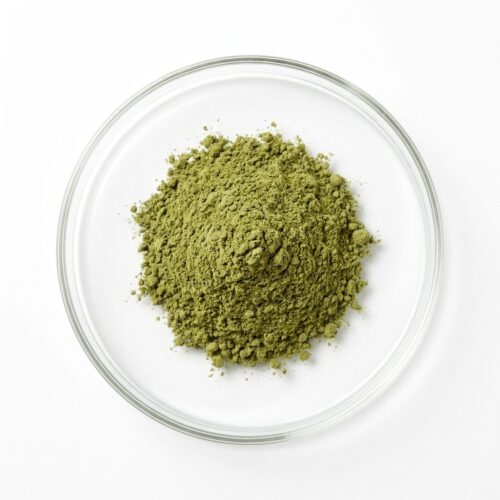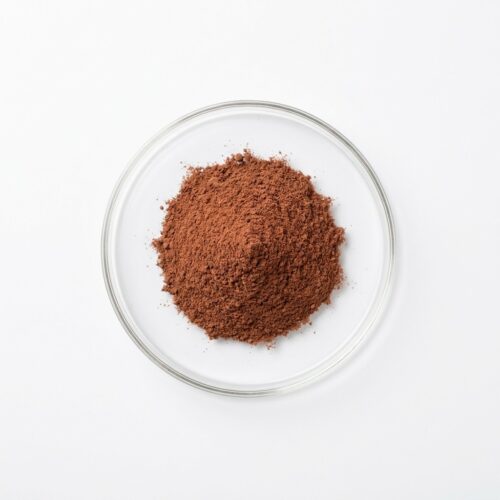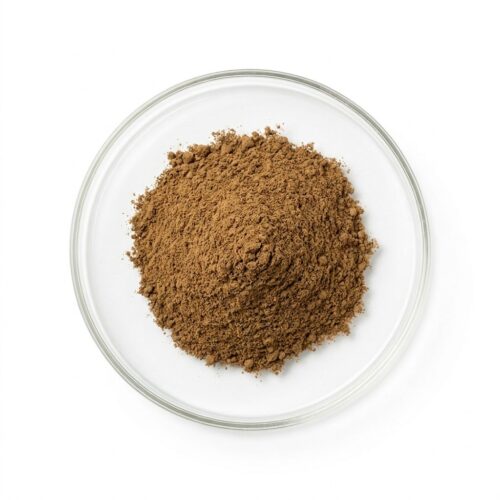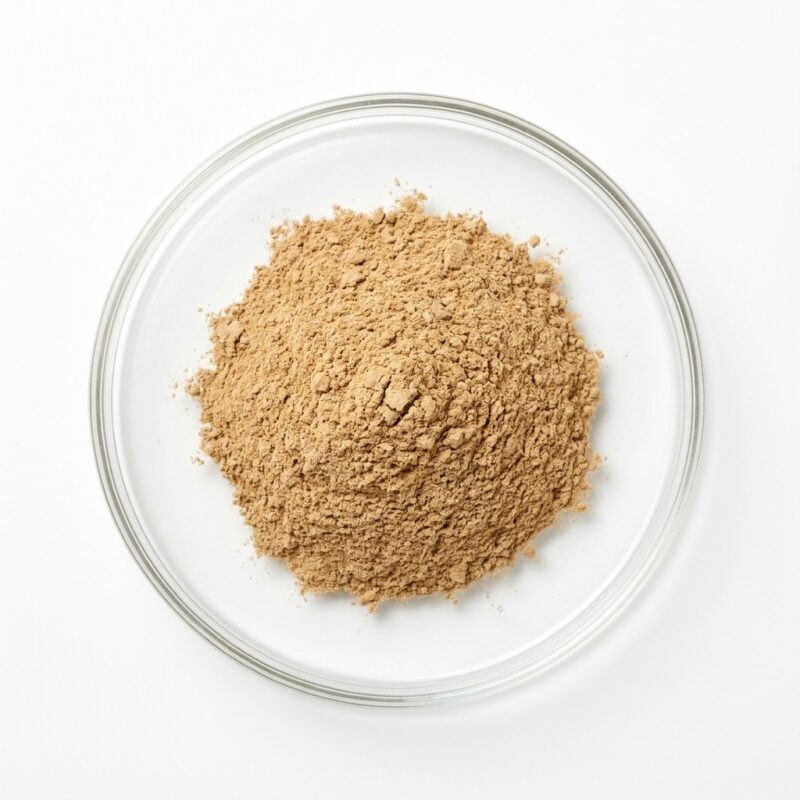
Pine Bark Extract (Pinus pinaster) is standardised for oligomeric proanthocyanidins (OPCs) — the most potent class of flavonoid antioxidants, with an antioxidant activity 20x higher than vitamin C and 50x higher than vitamin E. Pine bark OPCs are renowned for their vascular health, skin anti-ageing, cognitive enhancement, and sports performance benefits, particularly as regenerators of vitamins C and E.
Applications:
- Cardiovascular and vascular health supplement formulations
- Skin anti-ageing and collagen protection products
- Cognitive health and ADHD support supplements
- Sports performance and endurance formulations
Key Features & Benefits:
- OPCs — 20x more antioxidant than vitamin C
- Regenerates vitamins C and E — synergistic antioxidant action
- Clinically studied for endothelial function and skin elasticity
- No animal substance – halal-certified
- Standardised 95% OPC content for consistent potency
Generic extract, not a trademarked one
Maritime pine bark (Pinus pinaster) extract is sold both as generic extract and under proprietary trade names backed by their own clinical dossiers. Studies run on a trademarked extract belong to that product and cannot be claimed for a generic one, so check that marketing for a finished product does not borrow trademarked names or their study results.
Procyanidin content and the test method
Pine bark extract contains procyanidins (the OPC class) together with phenolic acids and taxifolin. As with grape seed, the percentage depends on the method: UV and colorimetric methods report the whole mixture and give much higher figures than HPLC. A “95% OPC” figure should state its method, and extracts should only be compared on the same method. Antioxidant-strength comparisons such as “20 times vitamin C” come from specific laboratory assays and are not specifications.
Contaminants and handling
Ask for residual extraction solvent, pesticide residues and heavy metals. The extract is astringent and reddish-brown, which affects taste and colour in drinks and chewables. For a related OPC source, see Grape Seed Extract.
What the research says
- A 2020 Cochrane review assessed 27 randomised trials (1,641 participants) of pine bark extract across 10 chronic conditions, including asthma, ADHD, cardiovascular risk, diabetes and osteoarthritis. The certainty of evidence was very low for every outcome. Because of small trials and poor reporting, the reviewers concluded that no definitive conclusions on efficacy or safety are possible. [1]
- A 2023 meta-analysis of 3 studies (184 men with mild to moderate erectile dysfunction) found improved sexual-function scores with pine bark extract combined with L-arginine, a combination rather than pine bark alone. The authors call for more randomised trials. [2]
These summaries describe published research on the ingredient. They are not claims for any finished product; claims on finished products must meet the rules of the market where they are sold.
References
- Robertson NU, et al. Pine bark (Pinus spp.) extract for treating chronic disorders. Cochrane Database Syst Rev. 2020;9(9):CD008294. doi:10.1002/14651858.CD008294.pub5
- Tian Y, et al. Efficacy of L-arginine and Pycnogenol in the treatment of male erectile dysfunction: a systematic review and meta-analysis. Front Endocrinol (Lausanne). 2023;14:1211720. doi:10.3389/fendo.2023.1211720
What to ask for on the certificate of analysis
- Species (Pinus pinaster), plant part (bark) and extraction solvent
- Procyanidin content with the test method stated (UV or HPLC)
- Residual solvents and pesticide residues
- Heavy metals: lead, arsenic, cadmium and mercury
- Microbiology: total plate count, yeast and mould, E. coli, Salmonella
- Loss on drying, carrier (if any), GMO and allergen statements
- Halal certificate, batch number, manufacture and retest dates