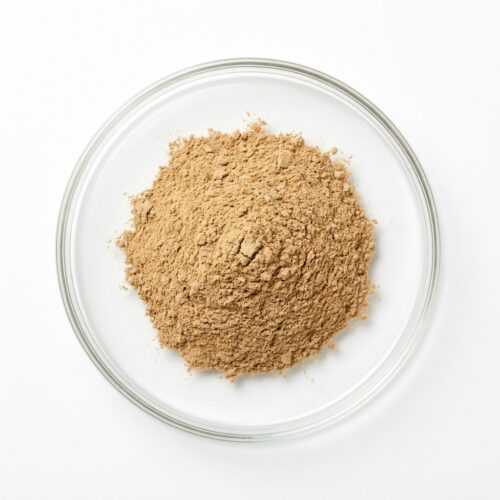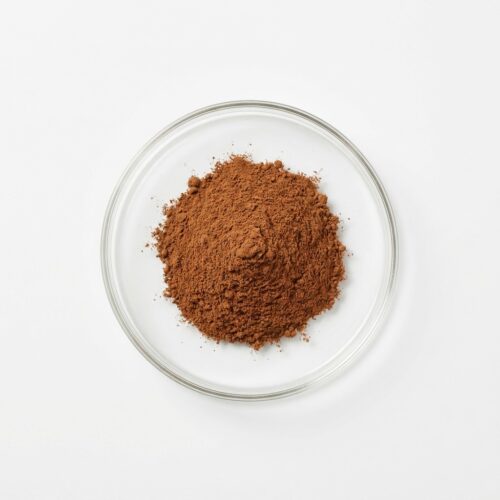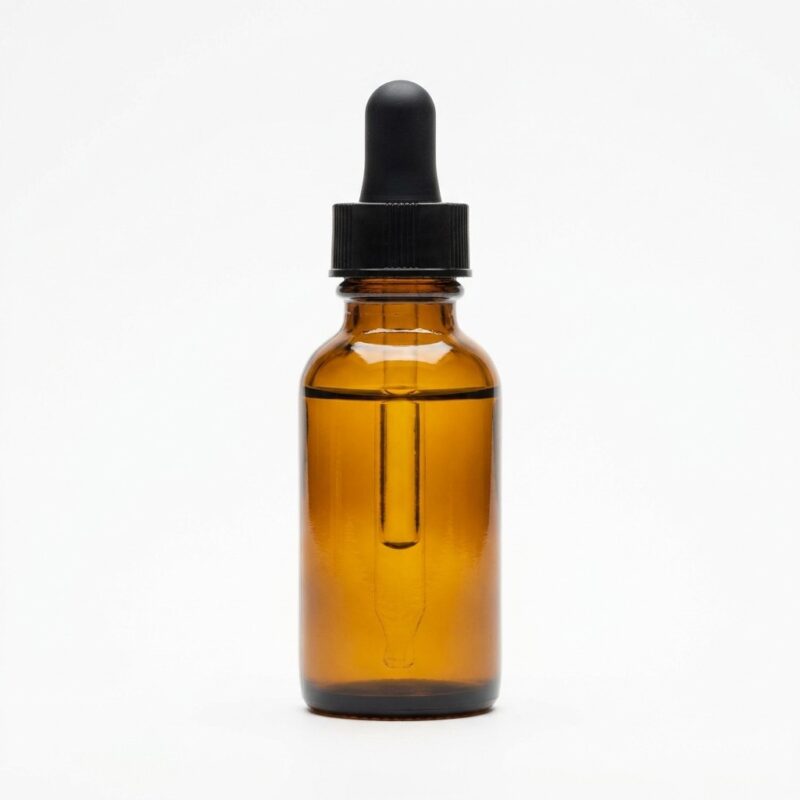
Extra Virgin Olive Oil (EVOO) is the highest grade of olive oil, produced exclusively by cold mechanical pressing of fresh olives (Olea europaea) without the use of heat or chemical solvents — preserving 100% of its natural bioactive compounds at full concentration. This premium ingredient represents the benchmark of olive oil quality, delivering the full spectrum of oleocanthal, oleic acid (omega-9), polyphenols, and fat-soluble vitamins (E and K) that make EVOO one of the most studied functional foods in the world.
Backed by decades of Mediterranean diet research, Extra Virgin Olive Oil is a foundational ingredient in cardiovascular health, anti-inflammatory, and longevity-oriented supplement and food formulations.
Applications:
- Nutraceuticals (cardiovascular health softgels, Mediterranean diet supplements, polyphenol capsules)
- Functional Foods (premium culinary oil, salad dressings, health food products)
- Beauty Supplements (skin health and anti-ageing formulations)
- Cosmeceuticals (moisturising and anti-inflammatory topical formulations)
Key Features & Benefits:
- 100% concentration – highest grade EVOO with full bioactive preservation
- Rich in oleocanthal, oleic acid, and polyphenol antioxidants
- Clinically studied for cardiovascular health and anti-inflammatory benefits
- Mediterranean diet foundational ingredient
- Suitable for softgel, capsule, food, and topical applications
What makes an oil “extra virgin”
Extra virgin is a defined grade, not a marketing word. Under the International Olive Council and Codex standards, extra virgin olive oil must be obtained by mechanical means only, meet chemical limits (including free acidity of no more than 0.8% as oleic acid, a peroxide value of no more than 20 meq O2/kg, and UV absorbance limits known as K232 and K270), and pass a trained sensory panel with no defects and some fruitiness. An oil that fails any of these is virgin, lampante or refined, however it is labelled. Most modern extraction is by malaxation and centrifuge rather than traditional pressing; in the EU, “cold extracted” is a defined term for processing below 27°C.
Adulteration and authenticity
Olive oil is one of the most frequently adulterated foods. The usual frauds are blending with refined olive oil, pomace oil or cheaper seed oils, or relabelling a lower grade. Laboratories detect these through the fatty-acid and sterol profiles, waxes, stigmastadienes and the triglyceride fingerprint; buying against a full standard analysis, not free acidity alone, is the practical defence.
Polyphenols and freshness
Polyphenol content (for example hydroxytyrosol and oleocanthal) depends on olive variety, ripeness and processing, and it falls with storage, heat, light and oxygen. For polyphenol-positioned products, ask for the polyphenol figure and harvest date, and store in full, sealed, dark containers. The EU has an authorised health claim for olive-oil polyphenols that applies only above a minimum hydroxytyrosol content and in the conditions set in EU law; it is not automatically valid in other markets. For the leaf-derived material, see Olive Leaf Powder.
Oil or powder
Extra virgin olive oil is also supplied as a powder (EVOO powder), made by encapsulating the oil on a carrier such as maltodextrin or acacia gum. The grade limits above then apply to the oil before encapsulation, not to the powder. For a powder, the key figures are the oil content, the carrier used, moisture and oxidative stability, and the source oil should come with its own extra-virgin certificate.
What to ask for on the certificate of analysis
- Grade (extra virgin) and the standard it is certified against (IOC or Codex)
- Form: liquid oil or powder; for powder, oil content, carrier, moisture and the source-oil grade certificate
- Free acidity, peroxide value, K232, K270 and delta-K
- Sensory panel result (median of defects and fruitiness)
- Fatty-acid profile and sterol composition, for authenticity
- Total polyphenols, where polyphenol content is part of the positioning
- Contaminants: pesticide residues, PAHs, and heavy metals where required
- Origin, harvest date, batch number, best-before date and Halal certificate