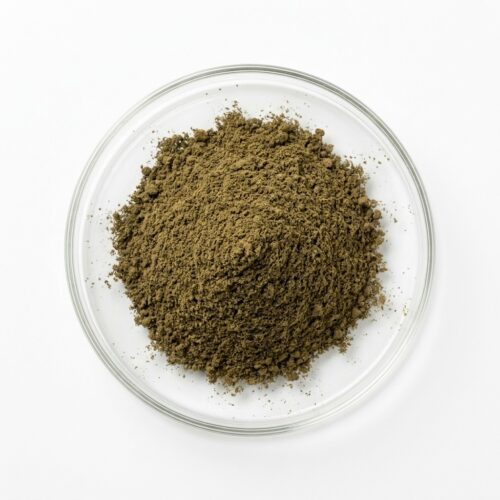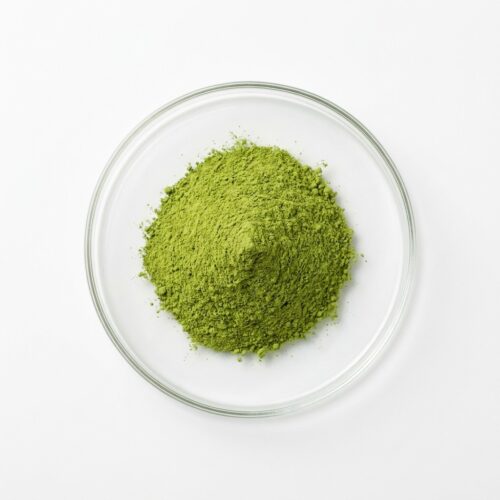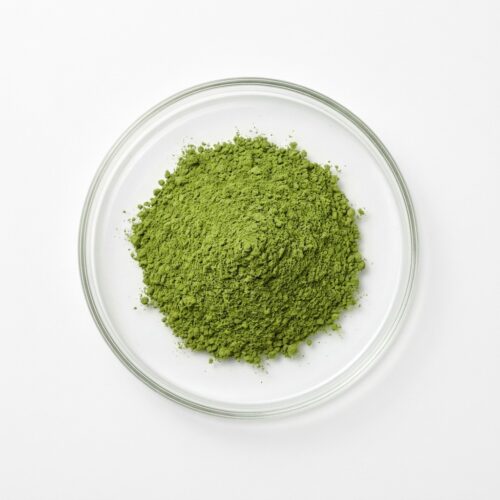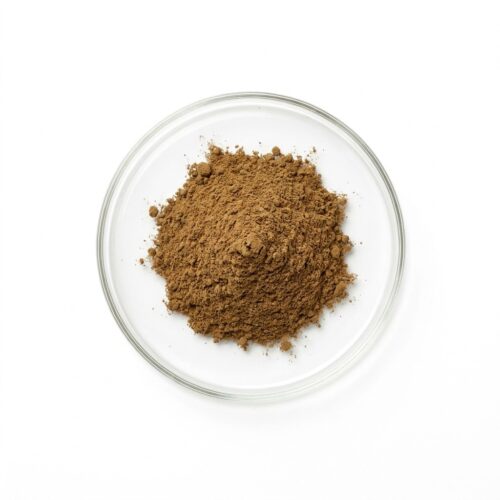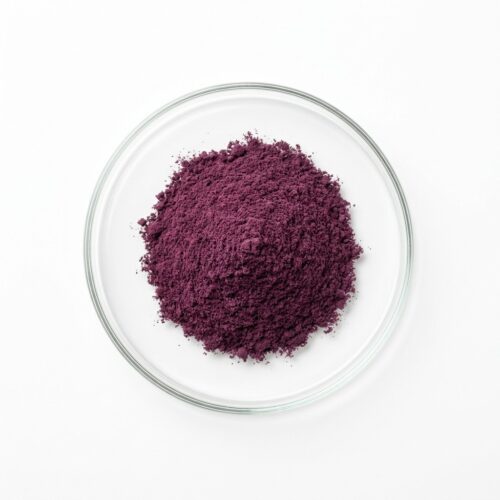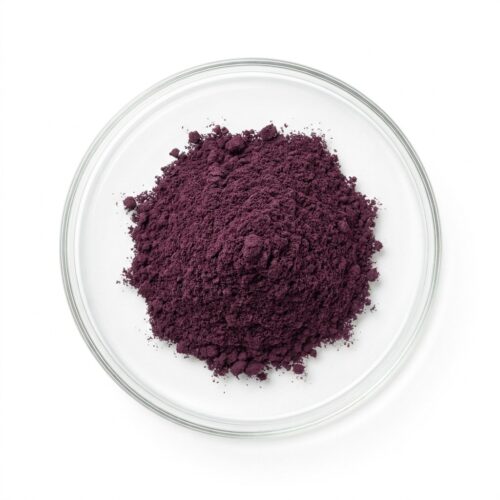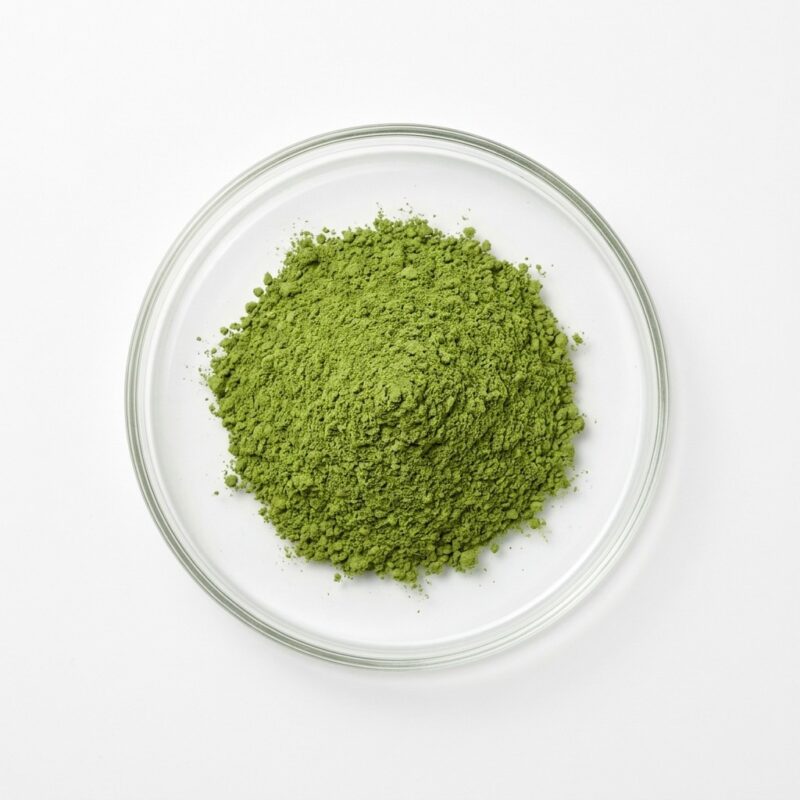
Olive Leaf Powder (Olea europaea) is produced from dried olive leaves standardised for oleuropein — the primary bitter secoiridoid glycoside responsible for olive’s antimicrobial, antiviral, antioxidant, and cardiovascular properties. Oleuropein is the precursor to hydroxytyrosol and has been shown to inhibit LDL oxidation, reduce blood pressure, and exhibit broad-spectrum antimicrobial activity against bacteria, viruses, and fungi.
Applications:
- Immune support and natural antimicrobial formulations
- Cardiovascular health and blood pressure management
- Antioxidant and anti-ageing supplement formulations
- Natural antiviral and anti-bacterial nutraceuticals
Key Features & Benefits:
- Rich in oleuropein — powerful antimicrobial and antioxidant
- Inhibits LDL oxidation and supports arterial health
- Broad-spectrum antimicrobial: bacteria, viruses, fungi
- No animal substance – halal-certified
- Whole leaf powder preserving full polyphenol spectrum
Powder or extract: oleuropein is the difference
Oleuropein is the bitter secoiridoid of the olive leaf (Olea europaea). Dried leaf powder contains much less oleuropein than a standardised extract, and the level varies with cultivar, season and drying. If your formula depends on oleuropein, ask for an oleuropein figure by HPLC for each lot rather than relying on the product name.
Oleuropein breaks down to hydroxytyrosol
Enzymes in the leaf, heat, moisture and acid break oleuropein down into hydroxytyrosol and other compounds. Good drying and dry, cool storage protect the oleuropein content. For a standardised hydroxytyrosol ingredient, see Hydroxytyrosol.
Formulation notes
Olive leaf is strongly bitter, so it suits capsules and tablets better than drinks. Leaf powder also contains fibre and chlorophyll, which add a green colour and a grassy taste to blends.
What to ask for on the certificate of analysis
- Botanical name and plant part (Olea europaea leaf)
- Oleuropein content by HPLC, if specified
- Particle size (mesh)
- Loss on drying, heavy metals (lead, arsenic, cadmium, mercury) and pesticide residues
- Microbiology: total plate count, yeast and mould, E. coli, Salmonella
- Batch number, manufacture and retest dates