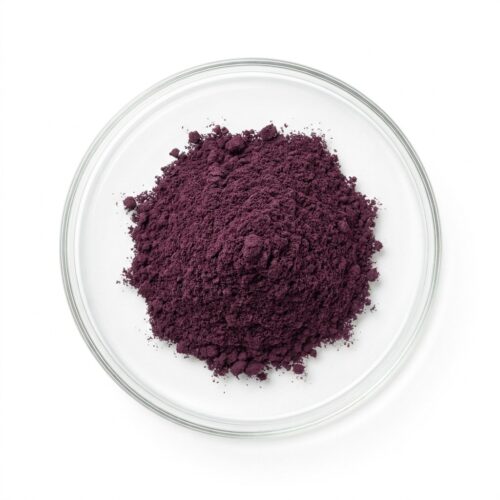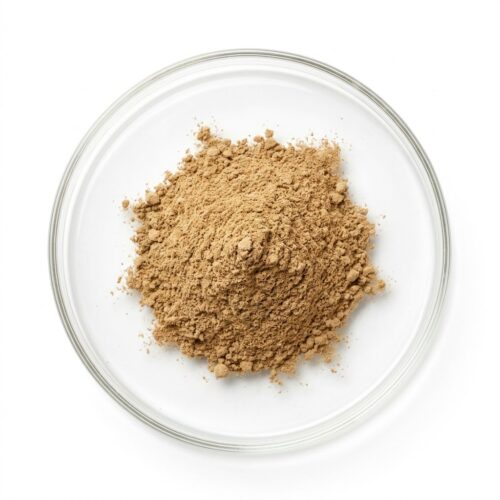
Goji Berry Extract is a concentrated botanical extract derived from the fruits of Lycium barbarum, standardised to contain more than 50% polysaccharides (Titrated). Goji berries — also known as wolfberries — are a cornerstone superfruit in Traditional Chinese Medicine (TCM) and have gained significant global recognition as an antioxidant-rich superfood with benefits for eye health, immune support, energy, and anti-ageing.
Lycium barbarum polysaccharides (LBPs) are the primary bioactive compounds in goji berry and are responsible for most of its clinically documented health benefits, including immune modulation, retinal protection, and anti-ageing activity at the cellular level.
Applications:
- Nutraceuticals (antioxidant capsules, eye health supplements, immune support blends)
- TCM-Inspired Supplements (traditional liver, kidney, and eye tonic formulations)
- Beauty Supplements (anti-ageing formulations, beauty drinks)
- Functional Beverages (goji superfruit health drinks, energy tonics)
Key Features & Benefits:
- >50% polysaccharides (LBPs) – highly standardised potent extract
- Clinically studied for eye health, immune modulation, and anti-ageing
- Foundational TCM superfruit with strong global consumer recognition
- Halal-certified & food-grade quality
- Suitable for capsule, powder, and beverage formulations
What “50% polysaccharides” measures
Goji polysaccharides (Lycium barbarum polysaccharides, LBP) are usually measured by a colorimetric method that also responds to free sugars, and dried goji is naturally rich in sugars. A high “polysaccharide” figure can therefore include sugars unless the extract has been purified and the method separates them. Ask for the method and, where possible, for the free-sugar content alongside it.
Water extract or whole fruit
The eye-related carotenoid in goji is zeaxanthin, present mainly as zeaxanthin dipalmitate. It is fat-soluble, so a hot-water polysaccharide extract carries little of it, while whole-fruit powders and solvent extracts carry more. If a formula is aimed at eye health, decide which fraction you need. Related ingredients include Astaxanthin and Schizandra.
Species and origin
Commercial goji is mainly Lycium barbarum; L. chinense is also traded. The species and growing region (for example Ningxia) should be on the documents.
Contaminants
Dried goji has a history of pesticide-residue findings in import testing, and dried fruit can be treated with sulphites. Ask for a full pesticide screen and a sulphite (SO2) result, as well as heavy metals and microbiology.
What the research says
- A 2023 meta-analysis of 5 randomised trials (259 adults) found that goji (Lycium barbarum) lowered triglycerides and raised HDL cholesterol, but had no significant effect on total or LDL cholesterol. The trials were few and small, and the authors call for larger studies. [1]
These summaries describe published research on the ingredient. They are not claims for any finished product; claims on finished products must meet the rules of the market where they are sold.
References
- Zeng X, et al. L. barbarum (Lycium barbarum L.) supplementation for lipid profiles in adults: a systematic review and meta-analysis of RCTs. Medicine (Baltimore). 2023;102(39):e34952. doi:10.1097/MD.0000000000034952
What to ask for on the certificate of analysis
- Species, plant part (fruit), origin and extraction solvent
- Polysaccharides with the method; free sugars if available
- Zeaxanthin content, if eye-health positioning is planned
- Pesticide residues and sulphites (SO2)
- Heavy metals and residual solvents
- Microbiology: total plate count, yeast and mould, E. coli, Salmonella
- Carrier (if any), Halal certificate, batch number, manufacture and retest dates