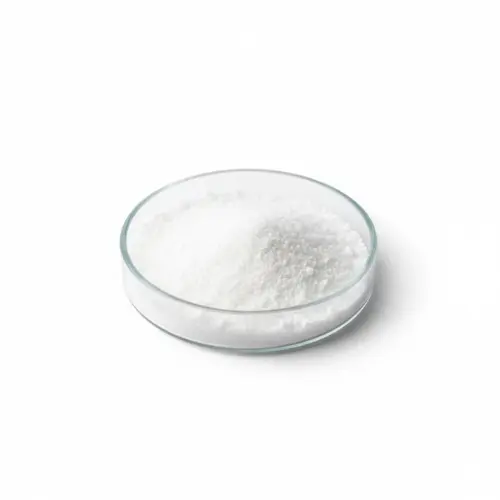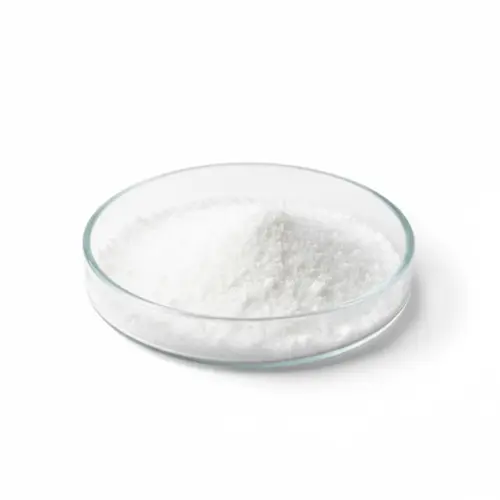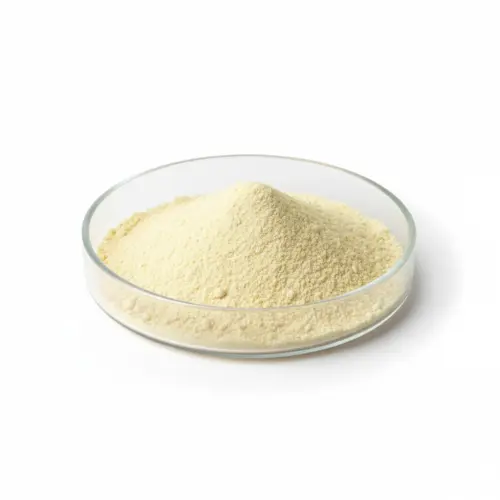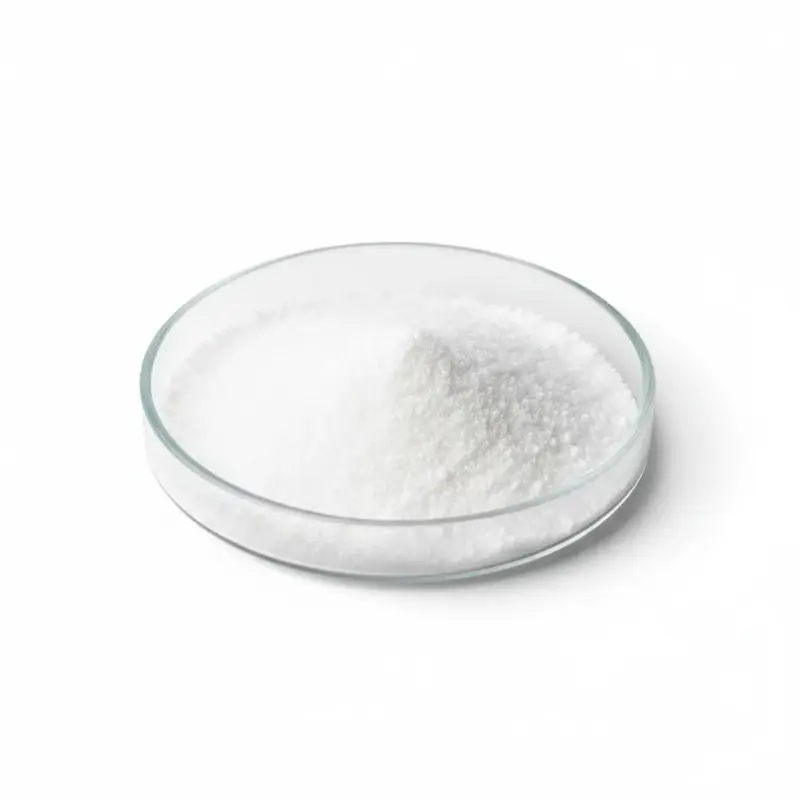
Resistant Dextrin is a soluble dietary fibre ingredient produced from starch through partial hydrolysis and transglucosidation, resulting in a low-viscosity, easily soluble prebiotic fibre with a pH of 4.0–6.0 in 10% water solution. Unlike many dietary fibres, Resistant Dextrin is virtually tasteless, colourless, and low in viscosity — making it one of the most versatile and consumer-friendly dietary fibre ingredients for transparent food and beverage fortification.
Resistant Dextrin resists digestion in the small intestine and passes to the large intestine where it is fermented by beneficial gut bacteria, functioning as a prebiotic fibre that supports digestive health, blood sugar management, and cholesterol reduction.
Applications:
- Functional Beverages (transparent fibre-enriched waters, juices, and health drinks)
- Nutraceuticals (prebiotic fibre supplements, digestive health, blood sugar management)
- Functional Foods (low-GI and high-fibre breads, cereals, protein bars)
- Meal Replacements (fibre-enriched shakes, diet formulations)
Key Features & Benefits:
- pH 4.0–6.0 (10% solution) – clean-label soluble prebiotic fibre
- Virtually tasteless and colourless – ideal for transparent beverage fortification
- Low viscosity – does not affect texture or mouthfeel
- Prebiotic – supports gut microbiome, blood sugar, and cholesterol management
- Halal-certified & food-grade quality
Measuring the fibre correctly
Resistant dextrin is a soluble fibre of relatively low molecular weight, and that matters for how its fibre content is measured. Older total dietary fibre methods (such as AOAC 985.29) do not capture most low-molecular-weight soluble fibre and therefore understate it badly. Current methods designed to include it, such as AOAC 2009.01 and 2011.25, give the figure that should appear on a specification and support a fibre claim. When comparing suppliers, check that the fibre percentages were measured by the same method.
Starch source
Resistant dextrin is made from maize, tapioca or wheat starch. The source matters for allergen and gluten labelling (wheat-derived grades raise questions that depend on the market), for GMO status (maize) and for halal and clean-label positioning. Ask which starch is used and keep it fixed across batches.
In formulation
It dissolves readily, adds little viscosity or taste, and is stable to heat and acid, which is why it suits clear beverages. Like other fermentable fibres, high single doses can cause gas or bloating, so tolerance is worth considering when setting the serving. It combines with Inulin and Psyllium Husk in fibre blends.
What to ask for on the certificate of analysis
- Dietary fibre content and the AOAC method used
- Starch source (maize, tapioca or wheat)
- Reducing sugars or glucose content, moisture, ash, pH and colour
- Heavy metals: lead, arsenic, cadmium and mercury
- Microbiology: total plate count, yeast and mould, coliforms, Salmonella
- GMO, allergen and gluten statements, and a Halal certificate
- Batch number, manufacture and retest dates