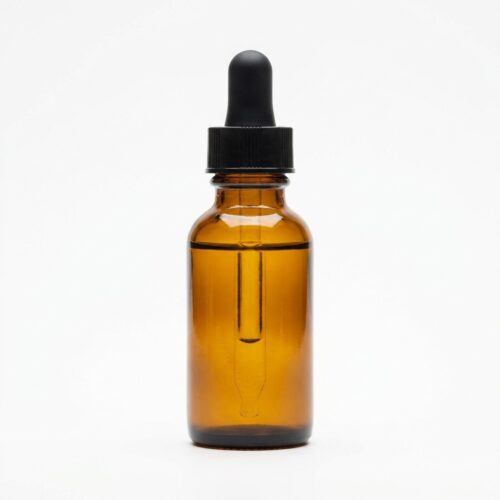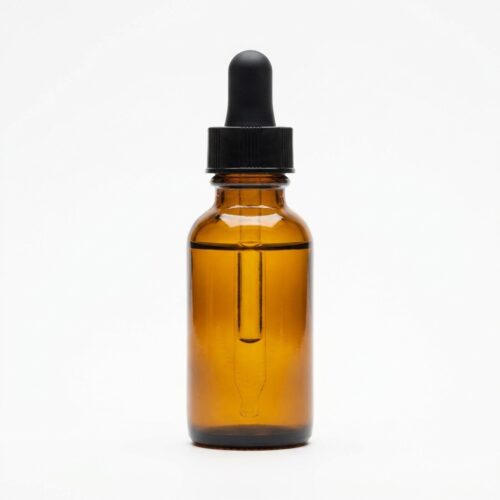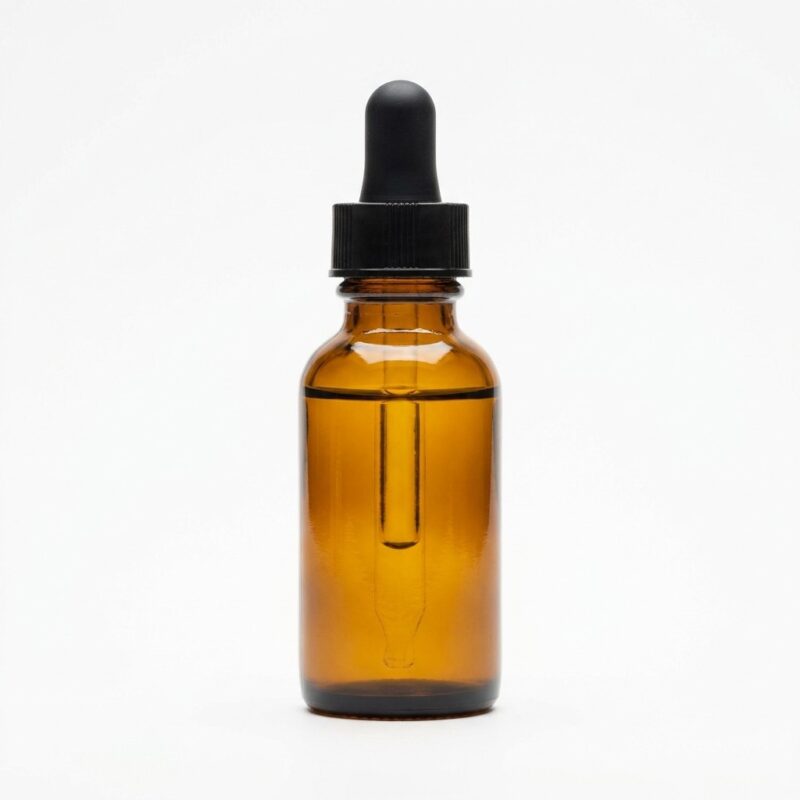
Grapeseed Oil is a lightweight carrier oil cold-pressed from the seeds of Vitis vinifera (wine grapes), presenting as a yellowish oily liquid. One of the lightest and most skin-compatible carrier oils available, Grapeseed Oil is exceptionally high in linoleic acid (omega-6, up to 76%) — making it the preferred carrier oil for acne-prone, oily, and combination skin types, where its non-comedogenic, astringent, and pore-tightening properties are particularly valued.
INCI: Vitis Vinifera (Grape) Seed Oil
Grapeseed Oil’s near-invisible texture, rapid absorption, and neutral scent make it one of the most universally used base oils in professional cosmetic formulations, especially in lightweight moisturisers, serums, and facial oils where a non-greasy finish is essential.
Applications:
- Skincare (lightweight facial oils, acne-prone skin serums, pore-minimising moisturisers)
- Haircare (lightweight leave-in hair oils, scalp treatments for oily scalp conditions)
- Massage Oils (clean, non-greasy massage base for professional use)
- Cosmetics (serum bases, primer formulations, lightweight skin preparations)
Key Features & Benefits:
- Yellowish oily liquid – light, clean carrier oil
- No animal substance – suitable for vegan and Halal-compliant formulations
- High linoleic acid – non-comedogenic and ideal for oily/acne-prone skin
- Lightweight, rapid absorption with a non-greasy finish
- Neutral scent – compatible with all fragrance systems
Extraction method is the first question, not the last
Grape seeds contain relatively little oil, so the great majority of commercial grapeseed oil is solvent-extracted rather than pressed — cold-pressed grapeseed exists but is a different product at a different price, and yields far less per tonne of seed. Neither is wrong, but a formulation for a clean-label or organic finished product cannot assume it is getting the pressed grade simply because the label says “grapeseed oil”. Put the extraction method on the purchase order, and if the oil is solvent-extracted, ask for the residual-solvent result rather than assuming it was run.
The trade-off behind the light feel
Grapeseed’s very high linoleic content is exactly what gives it the dry, fast-absorbing skin feel that makes it popular — and it is also why it has one of the shorter shelf lives among common carrier oils. Polyunsaturated oils oxidise readily, and a rancid base oil will spoil a formulation whose actives are all still perfectly good. Specify an antioxidant, keep stock cool and dark, rotate it, and set the finished-product shelf life against the oil rather than the pack.
This is the practical choice a formulator is really making between carrier oils: grapeseed for a light, non-greasy finish at the cost of stability, or a high-oleic oil such as avocado oil for stability and richness at the cost of a heavier feel. Where both are wanted, blending with jojoba oil is the usual route to extending the life of a linoleic-rich base.
What to ask for on the certificate of analysis
- Extraction method, and residual solvent where the oil is solvent-extracted.
- Full fatty-acid profile with linoleic stated.
- Peroxide value and free fatty acid, with the pressing or extraction date — freshness matters more for this oil than for most.
- Tocopherol content, if the supplier adds it as an antioxidant.
- Colour and odour, and country of origin.