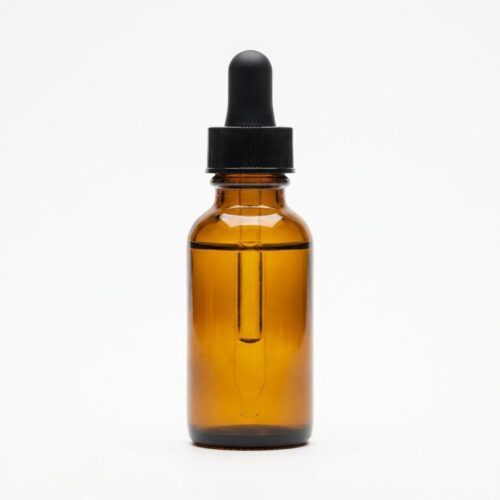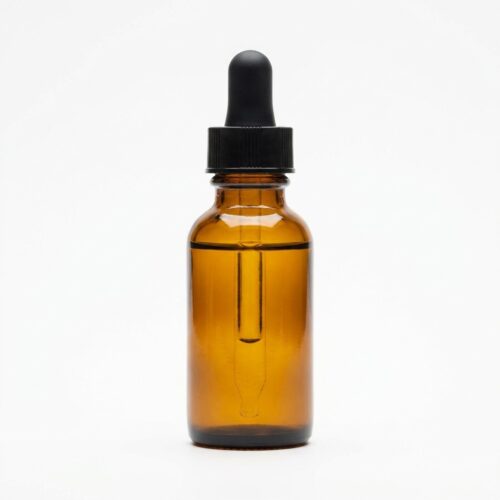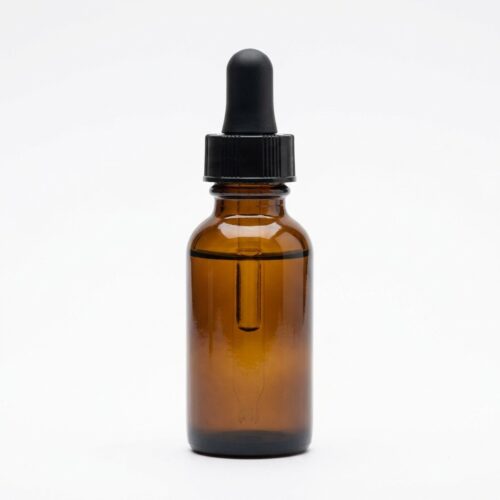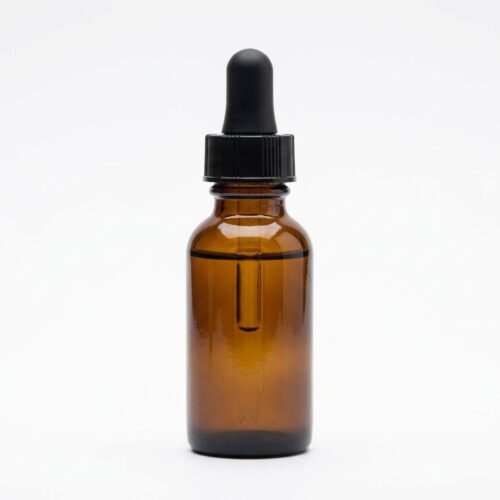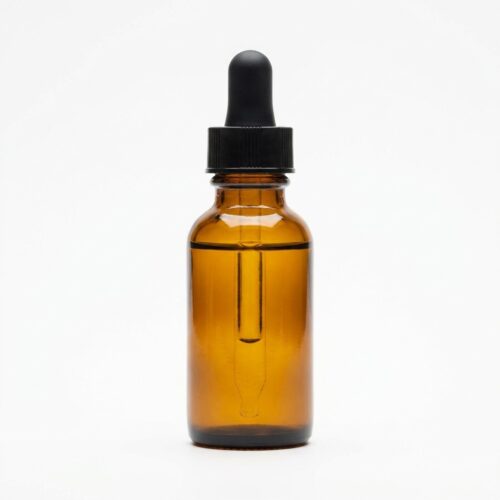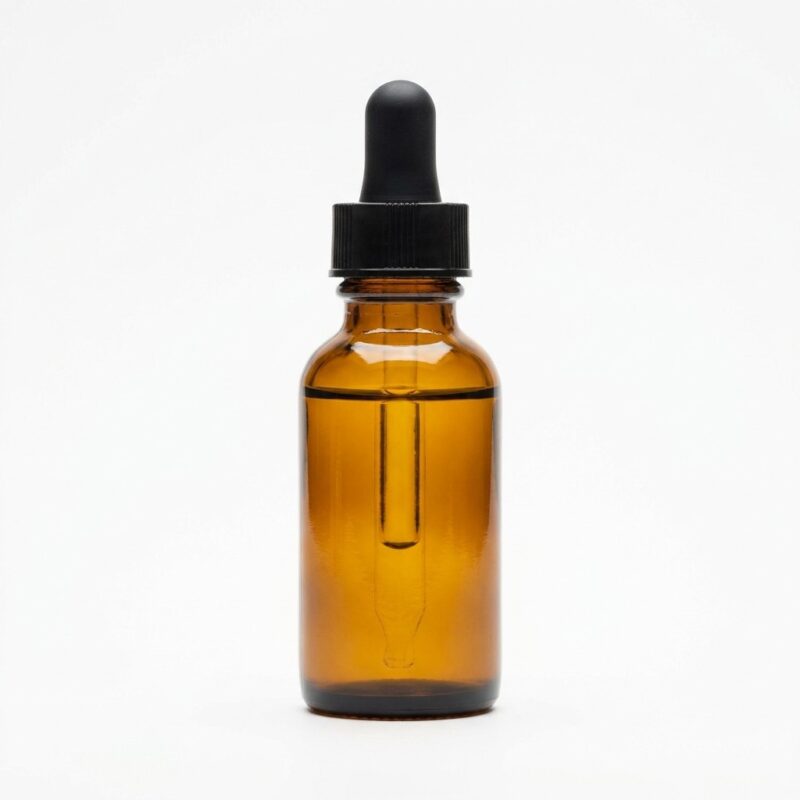
Rosehip Oil is a prized carrier oil cold-pressed from the seeds of Rosa canina or Rosa rubiginosa (wild rose), presenting as a yellow to pale yellow oily liquid. Rosehip Oil is one of the most celebrated natural anti-ageing and skin regenerating oils in the world — containing the rare fatty acid trans-retinoic acid (a natural form of Vitamin A), exceptionally high linoleic acid (omega-6) and alpha-linolenic acid (omega-3), along with lycopene and beta-carotene. This unique composition drives Rosehip Oil’s well-documented ability to reduce scars, hyperpigmentation, fine lines, and stretch marks.
INCI: Rosa Canina Fruit Oil
Rosehip Oil has been clinically studied and is endorsed by dermatologists as one of the most effective natural oils for skin renewal, making it a cornerstone ingredient in premium anti-ageing and skin repair formulations globally.
Applications:
- Skincare (anti-ageing serums, scar and hyperpigmentation treatments, stretch mark oils)
- Post-Surgical & Post-Acne Recovery (scar reduction formulations, skin renewal products)
- Brightening (skin tone evening, anti-dark spot facial oils)
- Intensive Repair (dry, dehydrated and mature skin intensive treatment products)
Key Features & Benefits:
- Yellow to pale yellow – premium anti-ageing carrier oil
- No animal substance – suitable for vegan and Halal-compliant formulations
- Contains natural trans-retinoic acid (Vitamin A) for skin cell renewal
- Clinically studied for scar reduction, hyperpigmentation, and anti-ageing
- Rich in omega-3 and omega-6 for skin repair and regeneration
Species, plant part and extraction all change the oil
Rosehip is sold from two species — Rosa canina and Rosa rubiginosa (often traded as rosa mosqueta) — and from two plant parts, the seed and the whole fruit. Seed oil and fruit oil differ in carotenoid content and colour, which is why one lot arrives pale gold and another deep orange without either being wrong. Cold-pressed and solvent-extracted grades differ again, in residual solvent and in how much of the unsaponifiable fraction survives. Specify species, plant part and extraction method together; any one alone under-describes the material.
Oxidation is the defining constraint
Rosehip is among the most polyunsaturated carrier oils in commerce, and that is both why it performs and why it is difficult. A high linoleic and alpha-linolenic content means it oxidises quickly, and rancid rosehip is the most common complaint against finished products using it — it presents as a sharp, fatty, off odour long before any analytical limit is breached. Build in an antioxidant such as tocopherol, specify cold storage and nitrogen-blanketed drums where volumes allow, use opaque packaging, and set a shelf life that reflects the oil rather than the rest of the formula.
Add it to the cool-down phase. Taking a highly unsaturated oil through a hot process wastes the fraction you are paying for.
What to ask for on the certificate of analysis
- Full fatty-acid profile, with linoleic and alpha-linolenic stated. This is the specification that actually describes rosehip oil.
- Peroxide value and free fatty acid — the two figures that tell you how fresh the lot is. Ask for pressing date alongside them.
- Species (canina or rubiginosa), plant part, and extraction method; residual solvent if solvent-extracted.
- Tocopherol content, where the supplier adds it as an antioxidant.
- Colour and odour description, so lot-to-lot variation is expected rather than rejected.