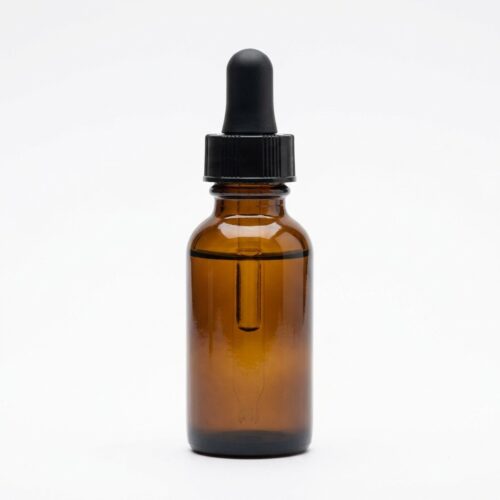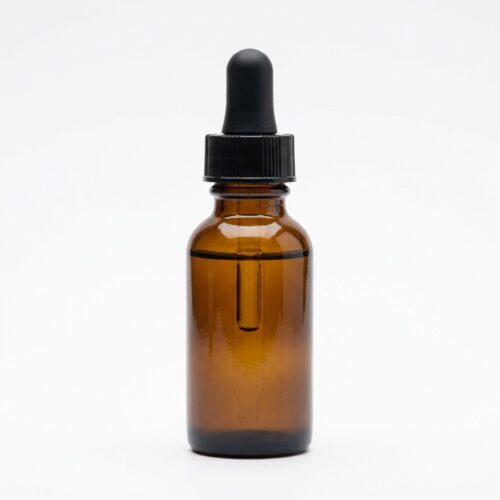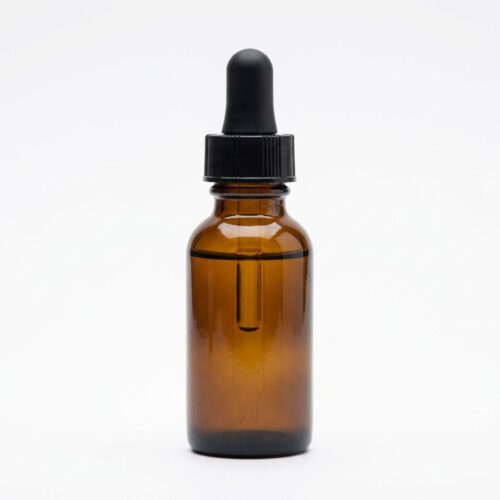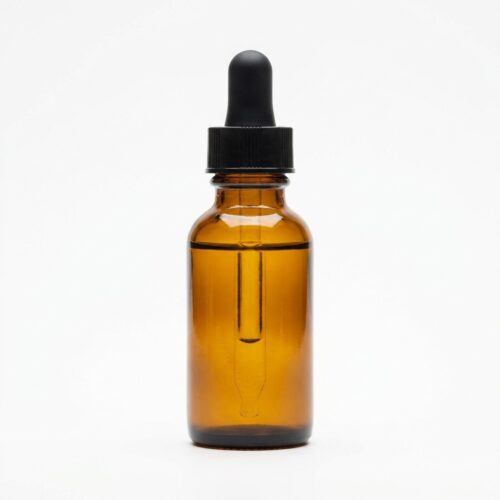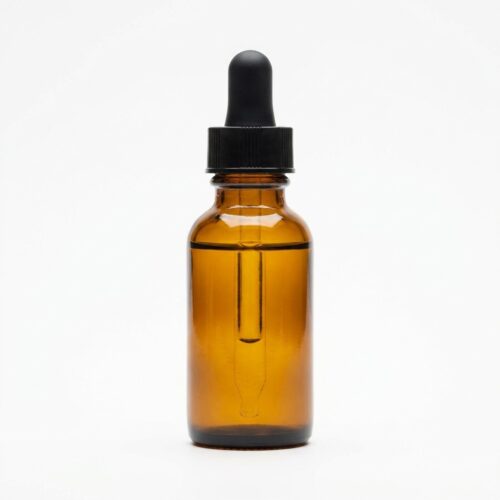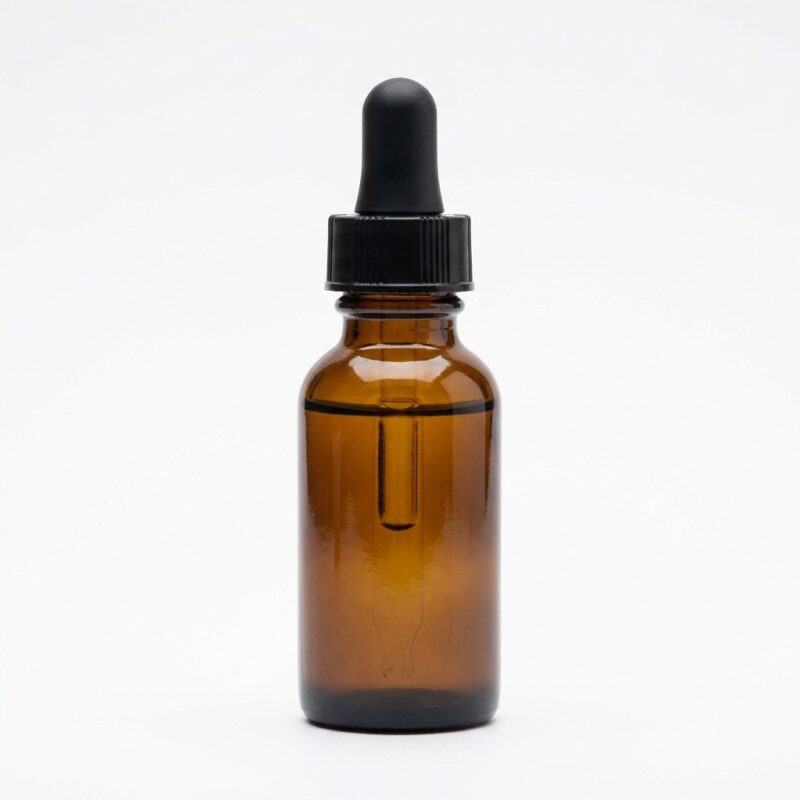
Black Seed Oil (Nigella Sativa Oil) is a highly revered therapeutic oil cold-pressed from the seeds of Nigella sativa, presenting as a deep amber to dark brown oil. Known in Islamic tradition as the oil mentioned in the Hadith as a cure for “everything except death,” Black Seed Oil holds profound cultural and spiritual significance in Muslim communities globally and is one of the most widely consumed therapeutic oils in the Middle East, South Asia, and Southeast Asian Muslim markets.
Its primary bioactive compound — thymoquinone — is responsible for its exceptional immunomodulatory, anti-inflammatory, antimicrobial, and antioxidant properties that have been validated in hundreds of clinical studies. For FC Materials’ Halal-conscious Malaysian market, Black Seed Oil occupies a uniquely premium position combining deep religious heritage with modern scientific validation.
Applications:
- Nutraceuticals (immune support capsules, respiratory health, anti-inflammatory supplements)
- Skincare (acne treatment, eczema support, anti-inflammatory facial oils)
- Haircare (scalp nourishment, hair loss prevention, hair growth formulations)
- Traditional Medicine (Islamic traditional remedy, Black Seed supplement formulations)
Key Features & Benefits:
- Deep amber to dark brown – authentic cold-pressed Black Seed Oil
- No animal substance – Halal-certified and spiritually significant in Islamic tradition
- Rich in thymoquinone for potent immune, anti-inflammatory, and antimicrobial activity
- Clinically studied with hundreds of published research papers
- Deep cultural resonance in Malaysian and global Muslim consumer markets
Thymoquinone is the specification, and it is usually missing
Black seed oil is bought on reputation far more often than on analysis, which is why quality varies so widely between suppliers at similar prices. The active most of the published work rests on is thymoquinone, and its level is not fixed by the species — it varies substantially with growing origin, seed quality, and how the oil was pressed and stored. Two oils both honestly labelled “cold-pressed Nigella sativa” can differ several-fold in thymoquinone.
Most standard specification sheets for this oil report appearance, acid value and little else. Ask for thymoquinone content by HPLC explicitly, and treat its absence as a meaningful answer in itself.
Handling and formulation notes
Thymoquinone degrades on exposure to light and heat, so an oil that tested well at the press can test poorly after a warm shipment and a spell in a clear container. Specify opaque packaging, keep it cool, and where the product is a supplement consider whether softgel encapsulation is needed to protect it through shelf life.
The other practical constraint is organoleptic. Black seed oil is strongly peppery and bitter, with a persistent aroma that carries through most bases at functional levels. In oral formats this usually decides the delivery form — capsules rather than liquids, unless the flavour system is built around it. In topical products it will influence the fragrance brief rather than sit quietly underneath it.
Cold-pressed and solvent-extracted grades are both traded; the extraction method belongs on the purchase order, not least because it changes what residual-solvent testing is required.
What to ask for on the certificate of analysis
- Thymoquinone content by HPLC — the single figure that separates a premium lot from a commodity one.
- Country of origin and extraction method (cold-pressed or solvent), with residual solvents if applicable.
- Peroxide value, free fatty acid and acid value, with pressing date.
- Fatty-acid profile.
- Heavy metals, and the Halal certificate reference.