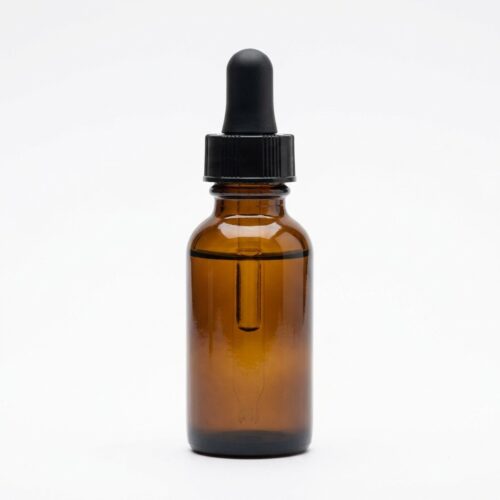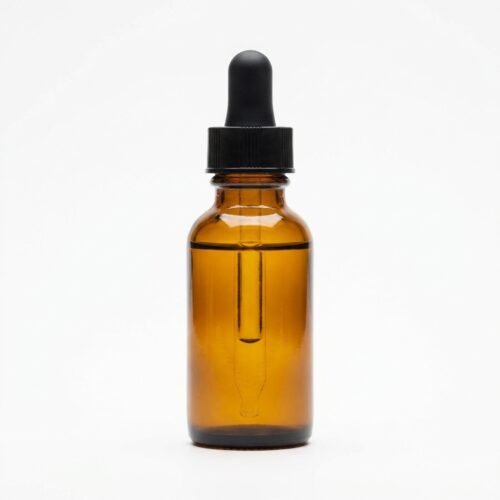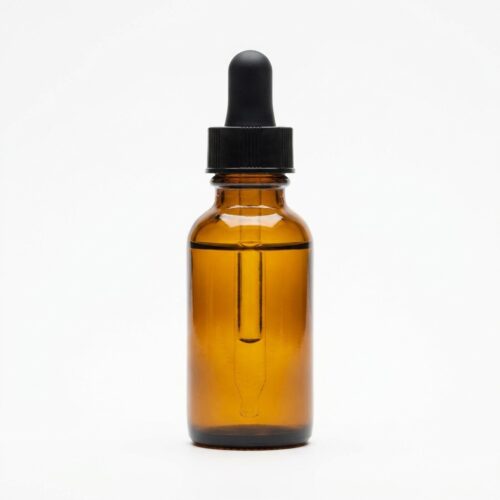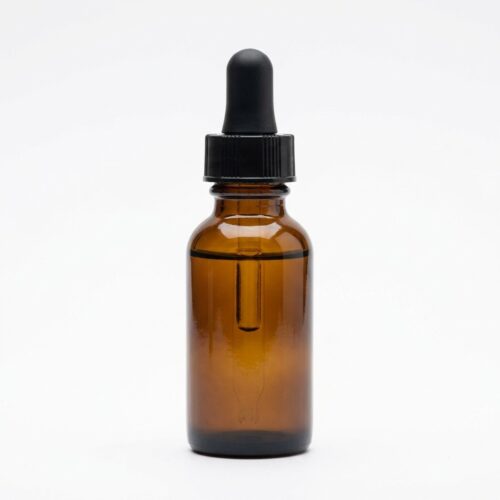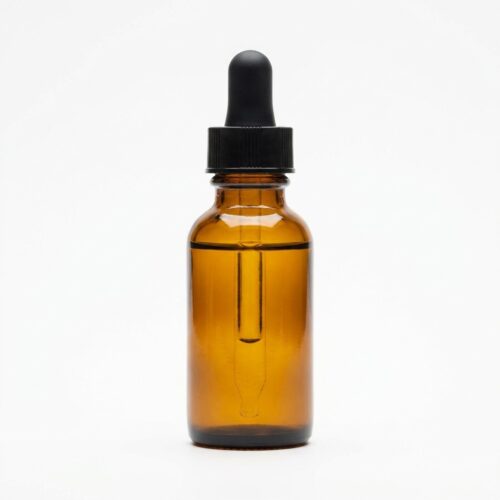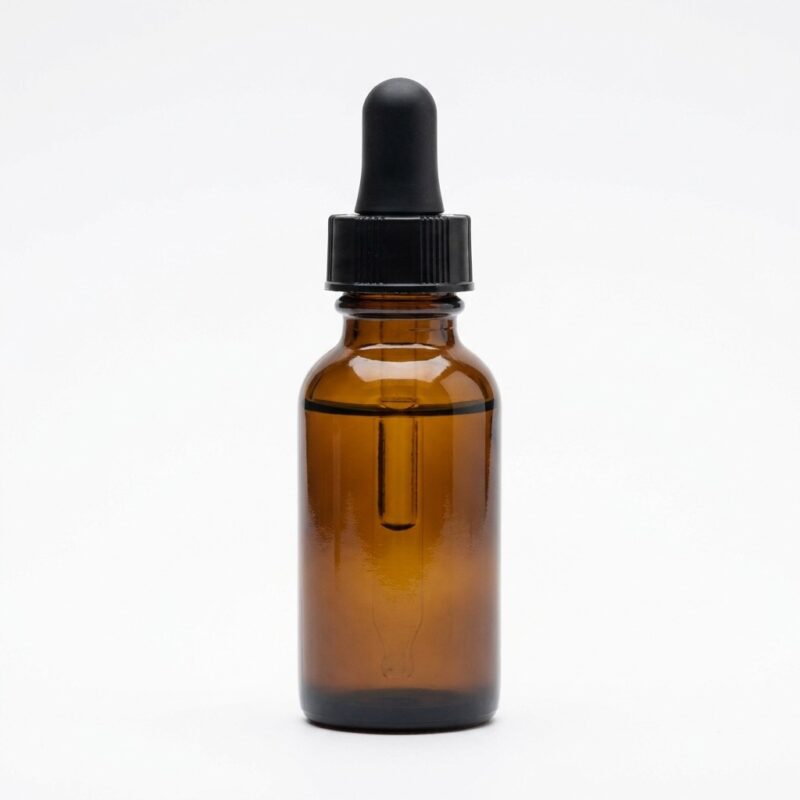
Organic Eucalyptus Essential Oil is a certified organic therapeutic-grade oil steam-distilled from the leaves of organically grown Eucalyptus globulus or Eucalyptus radiata, presenting as almost colourless. Identical in its high 1,8-cineole (eucalyptol) composition and respiratory health, antimicrobial, and decongestant properties to conventional Eucalyptus Oil, the organic certification ensures pesticide-free cultivation and traceable organic production — meeting the requirements of certified organic personal care, natural health, and baby care product formulations where organic sourcing is specified.
Applications:
- Certified Organic Respiratory Care (organic chest rubs, decongestant balms, steam inhalation)
- Organic Aromatherapy (certified organic diffuser blends for cold and flu support)
- Organic Baby & Children’s Care (certified organic respiratory support products)
- Organic Cleaning (certified organic antimicrobial cleaning and disinfecting formulations)
Key Features & Benefits:
- Almost colourless – certified organic high-purity eucalyptus oil
- No animal substance – suitable for vegan and Halal-compliant formulations
- Organic certification for pesticide-free supply chain assurance
- High 1,8-cineole for respiratory health and antimicrobial activity
- Required for certified organic product labelling compliance
Species selection, and an age caution that shapes it
“Eucalyptus oil” covers several distinct materials. E. globulus is the high-cineole workhorse with the sharpest aroma; E. radiata carries similar cineole levels with a softer, less camphoraceous profile and is generally the preferred choice where gentleness matters; E. citriodora is a different oil entirely, dominated by citronellal and used for insect-repellent work rather than respiratory formulation. Specify the species, not just the genus.
The choice carries a safety dimension. 1,8-cineole-rich oils are widely cautioned against use on or near the face of infants and young children, where they are associated with respiratory distress, and several regulators and aromatherapy bodies set minimum ages. Any product intended for children needs the applicable age limit and use level checked for the target market before a level is fixed — this is the formulator’s call, and it is not answered by the oil being certified organic.
Handling notes
Eucalyptus is monoterpene-rich and oxidises with exposure to air, light and warmth; oxidised oil loses aroma quality and becomes more sensitising than fresh material. Store cool and dark, keep drums as full as practical, and blanket part-used stock where possible. It is soluble in alcohol and fixed oils but not in water, so aqueous products need a solubiliser.
What to ask for on the certificate of analysis
- GC-MS profile with the species confirmed and the 1,8-cineole percentage stated.
- Optical rotation, refractive index and specific gravity.
- Peroxide value — the practical measure of whether oxidation has started.
- The organic certifying body and certificate number, which is what an organic claim on the finished product actually rests on.
- Country of origin, plant part and extraction method.