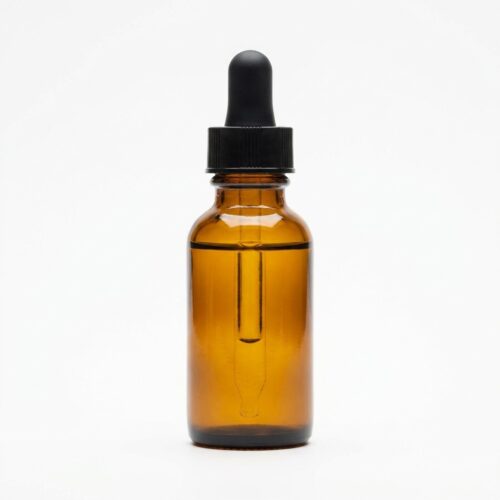
Ylang-Ylang Essential Oil is a therapeutic-grade oil steam-distilled from the freshly picked flowers of Cananga odorata (ylang-ylang tree), presenting as almost colourless to pale yellow. One of the most intensely fragrant and exotic floral essential oils in the world, Ylang-Ylang delivers a rich, sweet, heady, narcotic, exotic tropical floral character — with banana-like, custard-like, and intensely floral notes from its complex composition of benzyl acetate, linalool, and geranyl acetate. It is one of the defining floral heart notes in classic feminine perfumery, most notably in Chanel No. 5.
In aromatherapy, Ylang-Ylang is clinically studied for its ability to lower blood pressure, reduce anxiety, and act as a natural aphrodisiac — making it the most emotionally and physiologically impactful floral essential oil in therapeutic practice.
Applications:
- Fine Fragrance (exotic tropical floral heart note — a defining ingredient in classic feminine perfumes)
- Aromatherapy (blood pressure reduction, anxiety relief, aphrodisiac, and sensual diffuser blends)
- Haircare (scalp stimulation, hair strengthening, and shine-enhancing hair oil formulations)
- Skincare (sebum-balancing, anti-inflammatory, and sensual luxury skin formulations)
Key Features & Benefits:
- Almost colourless to pale yellow – authentic therapeutic-grade ylang-ylang oil
- No animal substance – suitable for vegan and Halal-compliant formulations
- A defining floral note in Chanel No. 5 and classic feminine fine perfumery
- Clinically studied for blood pressure reduction and anxiety relief
- Exotic tropical heritage from Southeast Asian and Pacific island botanical traditions
Extra, I, II, III and Complete
Ylang-ylang is sold in grades that come from fractional distillation of the same flowers. The first fraction, Extra (sometimes Extra Superior), is richest in the esters and ethers that give the sweet, heady top note, such as benzyl acetate, methyl benzoate and p-cresyl methyl ether. Later fractions, I, II and III, contain progressively more sesquiterpenes such as germacrene D, beta-caryophyllene and alpha-farnesene, and smell heavier and less floral. Complete is the whole distillation collected together. The grade drives both odour and price, so it must be named on the specification. The Comoros, Madagascar and Mayotte are the classic origins.
Ylang-ylang is not cananga
Cananga oil, produced mainly in Indonesia from a related variety, is a cheaper, more woody-leathery oil and is sometimes offered in place of lower ylang-ylang grades. Specify Cananga odorata var. genuina (ylang-ylang) where ylang-ylang is required.
Allergens
Ylang-ylang contains several declarable fragrance allergens, including linalool, benzyl benzoate, benzyl salicylate, benzyl alcohol and geraniol, so an allergen declaration and a current IFRA certificate are needed for the finished-product safety assessment. It pairs with Jasmine Oil and Rose Oil in floral hearts.
What to ask for on the certificate of analysis
- Grade: Extra, I, II, III or Complete
- Species and variety (Cananga odorata, ylang-ylang not cananga)
- GC-MS profile with linalool, benzyl acetate, methyl benzoate, p-cresyl methyl ether and germacrene D quantified
- Physical constants: relative density, refractive index, optical rotation, ester value
- Declarable fragrance allergens and a current IFRA certificate
- Country of origin and batch number