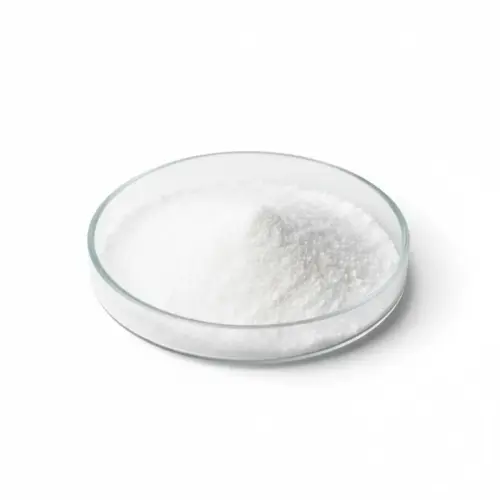
Carbopol 940 is a high molecular weight, cross-linked polyacrylic acid polymer supplied as a white fluffy powder. One of the most widely used rheology modifiers and gelling agents in the personal care and pharmaceutical industries, Carbopol 940 creates clear, stable gels at very low usage concentrations (0.1–1.0%) when neutralised with an appropriate base. Its exceptional thickening efficiency, clarity, and suspension capability make it the reference standard gelling polymer for premium transparent personal care gels, lotions, and semi-solid pharmaceutical formulations. This product is Halal-certified.
Applications:
- Skincare Gels (transparent moisturising gels, facial serums, eye gels, hand sanitisers)
- Haircare (hair gels, styling gels, leave-in conditioning gels)
- Pharmaceutical Topicals (transdermal gels, wound healing gels, topical drug delivery)
- Personal Care (shaving gels, aftershave gels, massage gels)
Key Features & Benefits:
- White fluffy powder – premium Carbopol 940 rheology modifier
- Halal-certified – suitable for Halal-compliant personal care formulations
- Creates clear, stable, high-viscosity gels at very low usage rates
- Excellent suspension capability for active ingredients and particles
- The reference standard gelling polymer for premium transparent personal care gels
How carbomer thickens
Carbomer (the INCI name for cross-linked polyacrylic acid polymers) does not thicken until it is neutralised. Disperse the powder in water first, sprinkling it slowly into a vortex so it does not form lumps (“fisheyes”), and let it hydrate. Then add a base such as sodium hydroxide, triethanolamine or aminomethyl propanol; the polymer uncoils and the gel forms, with the highest viscosity in the neutral pH range.
What weakens a carbomer gel
Salts and other electrolytes reduce viscosity sharply, as do strongly acidic conditions and some cationic ingredients. Ultraviolet light can also break gels down over time unless a chelating agent such as EDTA and suitable packaging are used. For alcohol gels, choose a neutraliser that works in alcohol. It pairs well with humectants such as Glycerine and D-Panthenol.
Grade and residual solvent
Carbomer grades differ in viscosity, clarity and the solvent used in their manufacture. Older grades of the 940 type were made in benzene, so ask for the residual solvent results; some markets restrict benzene in cosmetics. Check that the grade name, INCI name and viscosity specification on the certificate match your formula.
What to ask for on the certificate of analysis
- INCI name (Carbomer) and grade
- Viscosity of a neutralised dispersion at a stated concentration and pH, with the method
- Residual solvents (including benzene), residual acrylic acid and loss on drying
- Heavy metals, as required for cosmetics under the ASEAN Cosmetic Directive
- Batch number, manufacture and retest dates; safety data sheet (SDS)